Seal Rock / Waikaranga
Protected Area
Sugar Loaf Island
Why dive here
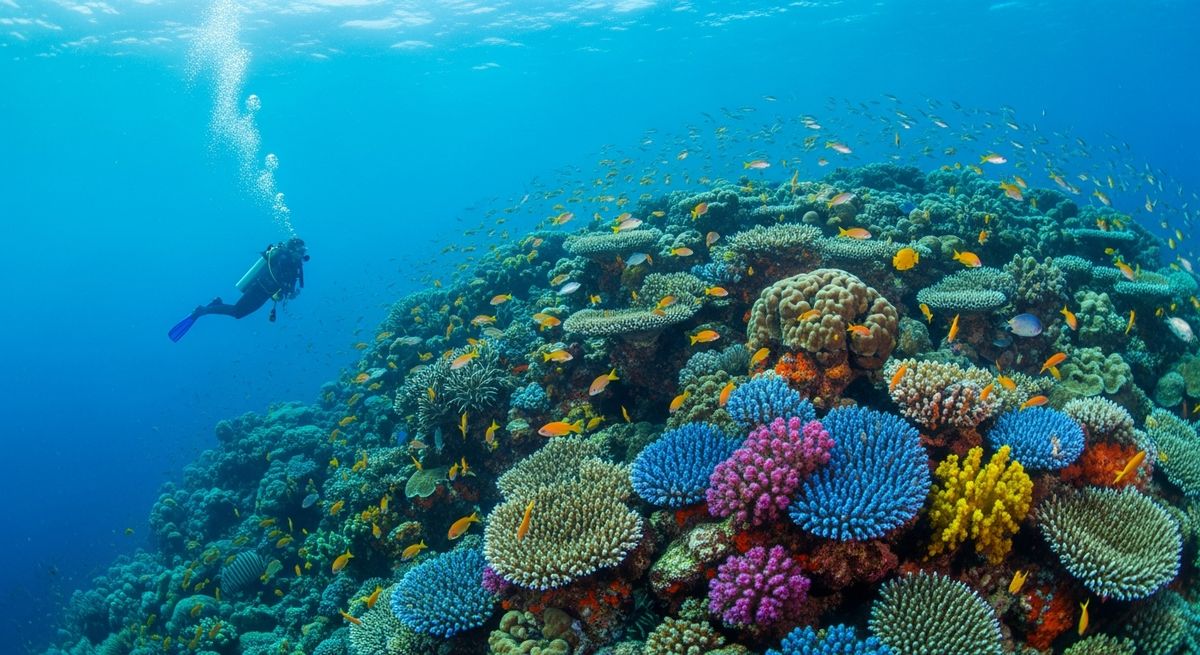
With 72+ marine species recorded in the area - including blue sharks, dolphins, hammerhead sharks, humpback whales and seahorses - Seal Rock / Waikaranga offers some of Goat Island & Hauraki Gulf's richest reef diving. Water ranges 15-21°C, warmest January, February, March.
We’ve always had a soft spot for Seal Rock, also known as Waikaranga. It’s a site that often gets overlooked for the more dramatic outer gulf spots, but it delivers consistent, easy diving. You’ll find yourself weaving through a patchwork of rocky reef, usually within the 10-15 metre range, which is perfect for longer bottom times. Our favourite time to dive here is on a calm, sunny day when the light penetrates through the kelp forest, illuminating schools of snapper and blue cod that seem utterly unfazed by divers. Keep an eye out for inquisitive seals, particularly during late spring and summer. We’ve had a few playful encounters here, a real treat. Visibility averages around 8 metres, which isn't Caribbean-clear, but it’s more than enough to appreciate the details of the reef and the surprisingly diverse smaller critters tucked into crevices. This site is genuinely lovely for newer divers looking for some relaxed exploration, but even experienced eyes will find plenty to enjoy amongst the swaying kelp and resident fish. It’s a great spot to simply slow down and observe.
Typical Seal Rock / Waikaranga Dive Profile
Illustrative profile based on site depth and type. Actual dive profiles vary - always follow your dive computer and training.
Reviews for Seal Rock / Waikaranga
Conditions
Ocean conditions, forecast and tides for Seal Rock / Waikaranga
Seal Rock / Waikaranga Ocean Conditions
Monthly averages for Seal Rock / Waikaranga, sourced from Open-Meteo marine data + Copernicus Marine (EU) - nearest station: Open-Meteo marine grid (-36.93, 175.86) (22km away)
October Averages
Sea Temperature
16°C
60°F · Range: 14.5–16.9°C
Current Speed
1.41 cm/s
Direction: SE (135°)
Chlorophyll-a
0.497 mg/m³
Moderate productivity
Salinity
34.91 PSU
Based on 4 years of monitoring data · Data sources: Open-Meteo marine data + Copernicus Marine (EU)
Plan & book
Ways to dive Goat Island & Hauraki Gulf, from day trips to liveaboards.
Day trips & courses
via GetYourGuideGuided dives, courses and snorkel trips with instant booking.
Find dive trips in Goat Island & Hauraki GulfPlaces to stay
via Booking.comHotels and dive resorts near Goat Island & Hauraki Gulf.
Search stays in Goat Island & Hauraki GulfDive insurance
Most travel insurance excludes or limits scuba. Check what you need before you go.
Dive insurance explainedPartner links: we may earn a commission if you book, at no extra cost to you. How we make money
Where to Stay near Seal Rock / Waikaranga
Prices from Booking.com. We may earn a commission at no extra cost to you.