Takatu Point
Protected Area
Tawharanui
Why dive here
With 72+ marine species recorded in the area - including blue sharks, dolphins, hammerhead sharks, humpback whales and seahorses - Takatu Point offers some of Goat Island & Hauraki Gulf's richest wall diving. Water ranges 15-21°C, warmest January, February, March.
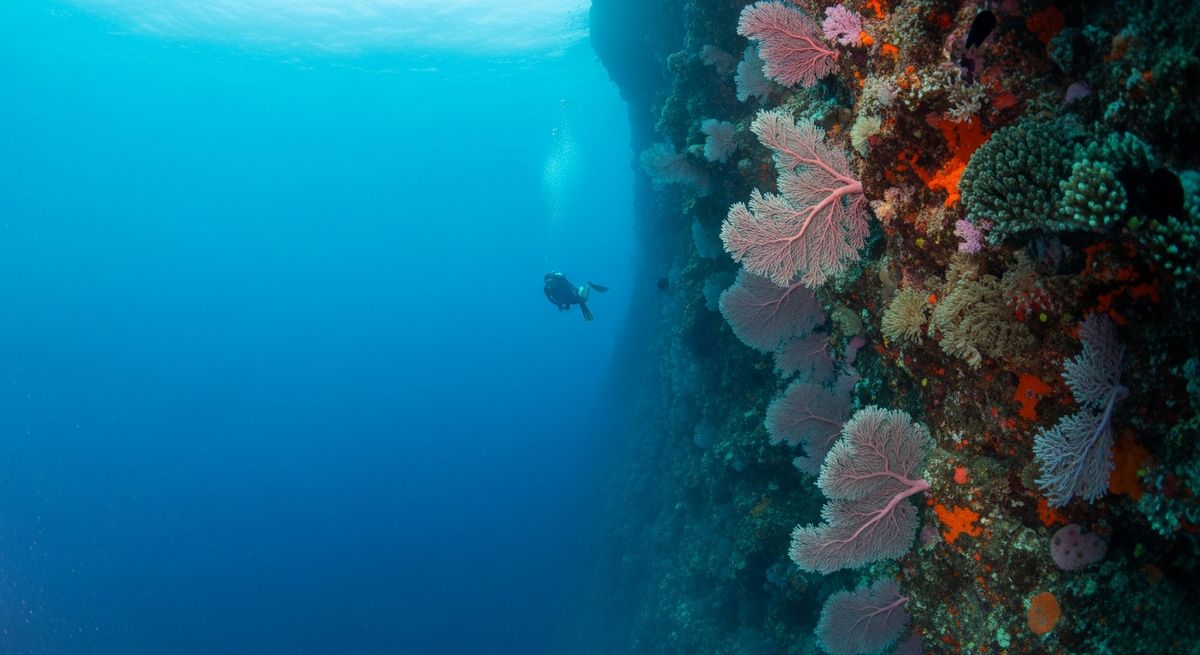
Takatu Point isn't flashy, but we think it’s one of the most consistently rewarding dives around Goat Island when conditions are right. You're looking for an incoming tide, ideally, which seems to really get the fish moving. We love dropping in and tracing the reef edge, which meanders down to about 16m here, often seeing snapper and trevally schooling just off the kelp line. The real draw, though, is the sheer density of life in the cracks and crevices. Peer into the overhangs and you'll often find a lazy green rock lobster or two, antennae twitching. We've even been lucky enough to spot bronze whalers cruising by on a few occasions – a real heart-stopper. For photographers, the way the light filters through the kelp in the shallows is beautiful, creating these shifting patterns on the rocks below. It’s a site that rewards slow exploration, best for divers who enjoy poking around and discovering the smaller details rather than chasing big pelagics.
Nearest Dive Centres to Takatu Point
Dive shops near Takatu Point
View all dive centres in Goat Island & Hauraki GulfReviews for Takatu Point
Conditions
Ocean conditions, forecast and tides for Takatu Point
Takatu Point Ocean Conditions
Monthly averages for Takatu Point, sourced from Open-Meteo marine data + Copernicus Marine (EU) - nearest station: Open-Meteo marine grid (-36.93, 175.86) (22km away)
October Averages
Sea Temperature
16°C
60°F · Range: 14.5–16.9°C
Current Speed
1.41 cm/s
Direction: SE (135°)
Chlorophyll-a
0.497 mg/m³
Moderate productivity
Salinity
34.91 PSU
Based on 4 years of monitoring data · Data sources: Open-Meteo marine data + Copernicus Marine (EU)
Plan & book
Ways to dive Goat Island & Hauraki Gulf, from day trips to liveaboards.
Day trips & courses
via GetYourGuideGuided dives, courses and snorkel trips with instant booking.
Find dive trips in Goat Island & Hauraki GulfPlaces to stay
via Booking.comHotels and dive resorts near Goat Island & Hauraki Gulf.
Search stays in Goat Island & Hauraki GulfDive insurance
Most travel insurance excludes or limits scuba. Check what you need before you go.
Dive insurance explainedPartner links: we may earn a commission if you book, at no extra cost to you. How we make money
Where to Stay near Takatu Point
Prices from Booking.com. We may earn a commission at no extra cost to you.