THE TWINS, Waikato
Protected Area
Rabbit Island
Why dive here
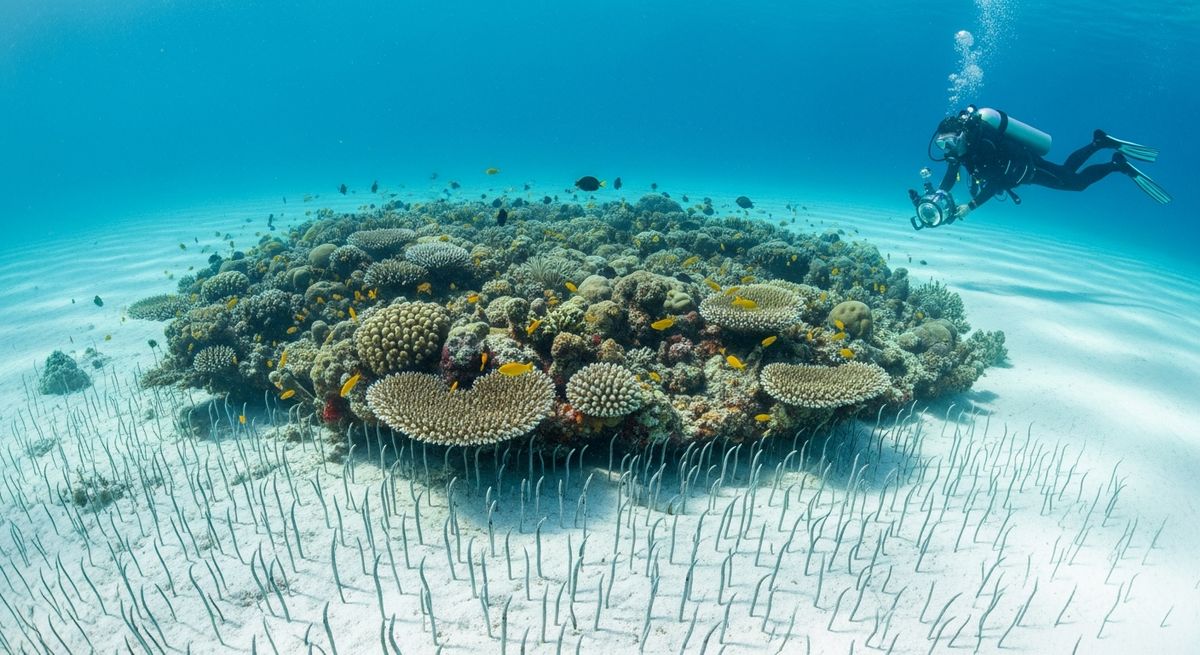
With 72+ marine species recorded in the area - including blue sharks, dolphins, hammerhead sharks, humpback whales and seahorses - THE TWINS, Waikato offers some of Goat Island & Hauraki Gulf's richest reef diving. Water ranges 15-21°C, warmest January, February, March.
The Twins, near Whitianga, is one of those spots that just delivers when the conditions line up. We usually find ourselves dropping in around high slack tide, which helps keep the swim through at 10 metres from turning into a washing machine. The structure itself is a pair of rocky pinnacles, hence the name, and we love the way the light filters down into the gaps between them. You’ll see plenty of the usual suspects here: schools of little Pacific sardines shimmering past, and the flash of butterfly perch darting in and out of crevices. We’ve had some cracking encounters with black stingrays gliding over the seabed, and once even watched an Australian spiny pipehorse doing its best impression of a piece of kelp. Visibility averages around 11 metres, but on a good day, after a stretch of settled weather, it can push past 15 metres, which really opens up the place. Avoid it after heavy rain, though, as that average vis can plummet. It's a dive that suits those with a bit of experience, especially if you want to explore the deeper sections on the north and south sides. Expect to spend your time exploring the nooks and crannies, keeping an eye out for the subtle movements of green wrasse and southern reef squid.
Nearest Dive Centres to THE TWINS, Waikato
Dive shops near THE TWINS, Waikato
Cathedral Cove Dive Ltd
Salt Aotearoa
Dive Zone Whitianga
Reviews for THE TWINS, Waikato
Conditions
Ocean conditions, forecast and tides for THE TWINS, Waikato
THE TWINS, Waikato Ocean Conditions
Monthly averages for THE TWINS, Waikato, sourced from Open-Meteo marine data + Copernicus Marine (EU) - nearest station: Open-Meteo marine grid (-36.93, 175.86) (22km away)
October Averages
Sea Temperature
16°C
60°F · Range: 14.5–16.9°C
Current Speed
1.41 cm/s
Direction: SE (135°)
Chlorophyll-a
0.497 mg/m³
Moderate productivity
Salinity
34.91 PSU
Based on 4 years of monitoring data · Data sources: Open-Meteo marine data + Copernicus Marine (EU)
Plan & book
Ways to dive Goat Island & Hauraki Gulf, from day trips to liveaboards.
Day trips & courses
via GetYourGuideGuided dives, courses and snorkel trips with instant booking.
Find dive trips in Goat Island & Hauraki GulfPlaces to stay
via Booking.comHotels and dive resorts near Goat Island & Hauraki Gulf.
Search stays in Goat Island & Hauraki GulfDive insurance
Most travel insurance excludes or limits scuba. Check what you need before you go.
Dive insurance explainedPartner links: we may earn a commission if you book, at no extra cost to you. How we make money
Where to Stay near THE TWINS, Waikato
Prices from Booking.com. We may earn a commission at no extra cost to you.