Wellington Reef
Protected Area
Kohatutara
Why dive here
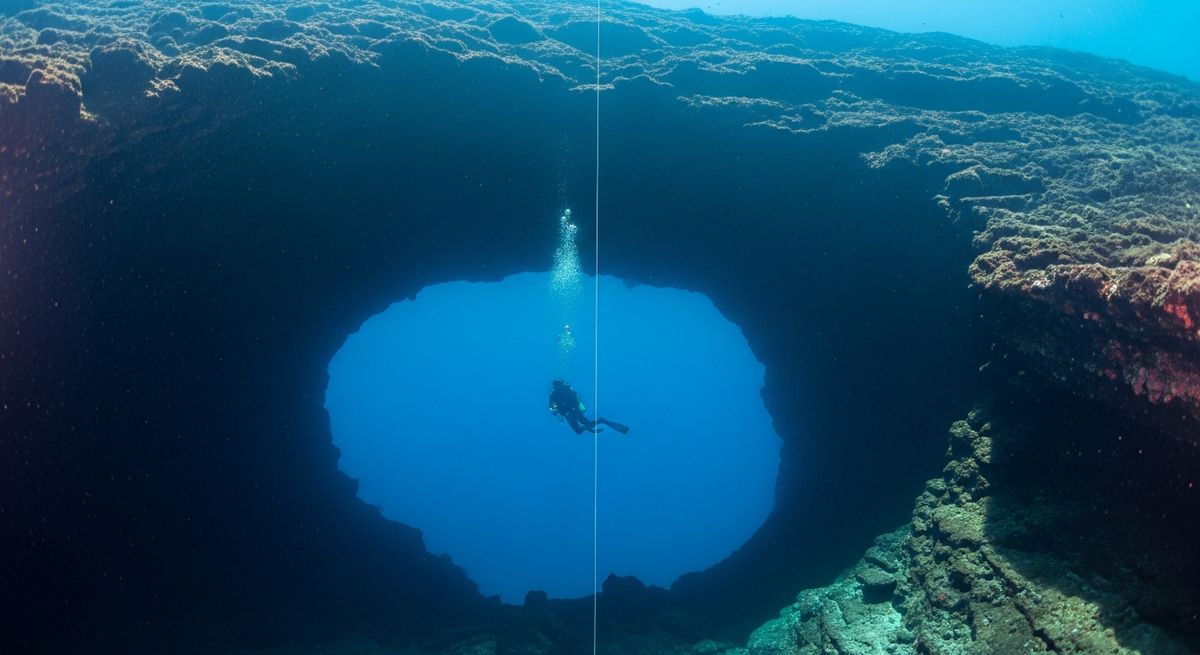
With 72+ marine species recorded in the area - including blue sharks, dolphins, hammerhead sharks, humpback whales and seahorses - Wellington Reef offers some of Goat Island & Hauraki Gulf's richest cave diving. Water ranges 15-21°C, warmest January, February, March.
Wellington Reef often gets overlooked, but we always have a soft spot for it, especially when the conditions line up. At its shallowest, around five metres, you’re drifting over rocks dusted with purple kina and the occasional flash of a yellow-eye mullet. The reef slopes north, down to fifteen metres, and that’s where we find the most action. Visibility averages six metres, so it’s not always gin-clear, but on a good day, after a spell of calm weather, the water takes on a surprisingly rich green hue. We love seeing the black stingrays here, gliding along the sand pockets, sometimes kicking up a cloud of silt. Keep an eye out for mottled triplefins darting between crevices and the occasional spotted stargazer, just a pair of eyes peeking from the seafloor. It’s a gentle drift, unhurried, with plenty of time to really look closely. We’d suggest this one for divers who enjoy a slower pace, who like to scout for the smaller stuff, and aren’t fazed by slightly greener water. It’s a great spot for a relaxed second dive.
Safety Notes
Overhead environment - never enter without proper cave/cavern training, redundant equipment, and a guideline.
Nearest Dive Centres to Wellington Reef
Dive shops near Wellington Reef
Wettie
Performance Diver NZ Ltd
GlobalDive
Epic SCUBA
Dive HQ Auckland
Dive Doctor
Reviews for Wellington Reef
Conditions
Ocean conditions, forecast and tides for Wellington Reef
Wellington Reef Ocean Conditions
Monthly averages for Wellington Reef, sourced from Open-Meteo marine data + Copernicus Marine (EU) - nearest station: Open-Meteo marine grid (-36.93, 175.86) (22km away)
October Averages
Sea Temperature
16°C
60°F · Range: 14.5–16.9°C
Current Speed
1.41 cm/s
Direction: SE (135°)
Chlorophyll-a
0.497 mg/m³
Moderate productivity
Salinity
34.91 PSU
Based on 4 years of monitoring data · Data sources: Open-Meteo marine data + Copernicus Marine (EU)
Plan & book
Ways to dive Goat Island & Hauraki Gulf, from day trips to liveaboards.
Day trips & courses
via GetYourGuideGuided dives, courses and snorkel trips with instant booking.
Find dive trips in Goat Island & Hauraki GulfPlaces to stay
via Booking.comHotels and dive resorts near Goat Island & Hauraki Gulf.
Search stays in Goat Island & Hauraki GulfDive insurance
Most travel insurance excludes or limits scuba. Check what you need before you go.
Dive insurance explainedPartner links: we may earn a commission if you book, at no extra cost to you. How we make money
Where to Stay near Wellington Reef
Prices from Booking.com. We may earn a commission at no extra cost to you.