Leigh Reef
Protected Area
Cape Rodney-Okakari Point
Why dive here
With 79+ marine species recorded in the area - including blue sharks, dolphins, hammerhead sharks, humpback whales and orcas - Leigh Reef offers some of Poor Knights Islands's richest cave diving. Water ranges 15-22°C, warmest January, February, March.
Leigh Reef, nestled just outside the Poor Knights' main protected area, feels like a secret handshake among local divers. Maximum depth here is 16 metres, but don’t let that fool you. We've often seen kingfish schooling so thick they dim the light, baitfish shimmering like a silver cloud. It’s an adrenaline hit, a real wild card. We absolutely love this spot, especially when you catch it around slack tide, which is critical. The currents can roar through here, so a good boat handler on the surface is not just nice to have, it's essential. Visibility averages 7 metres, which means you’re often diving into a bustling, slightly mysterious world. Look closely along the southern walls; there are some small caves and overhangs crammed with life. This site is definitely one for the experienced diver who appreciates a lively, action-packed dive rather than a leisurely drift.
Safety Notes
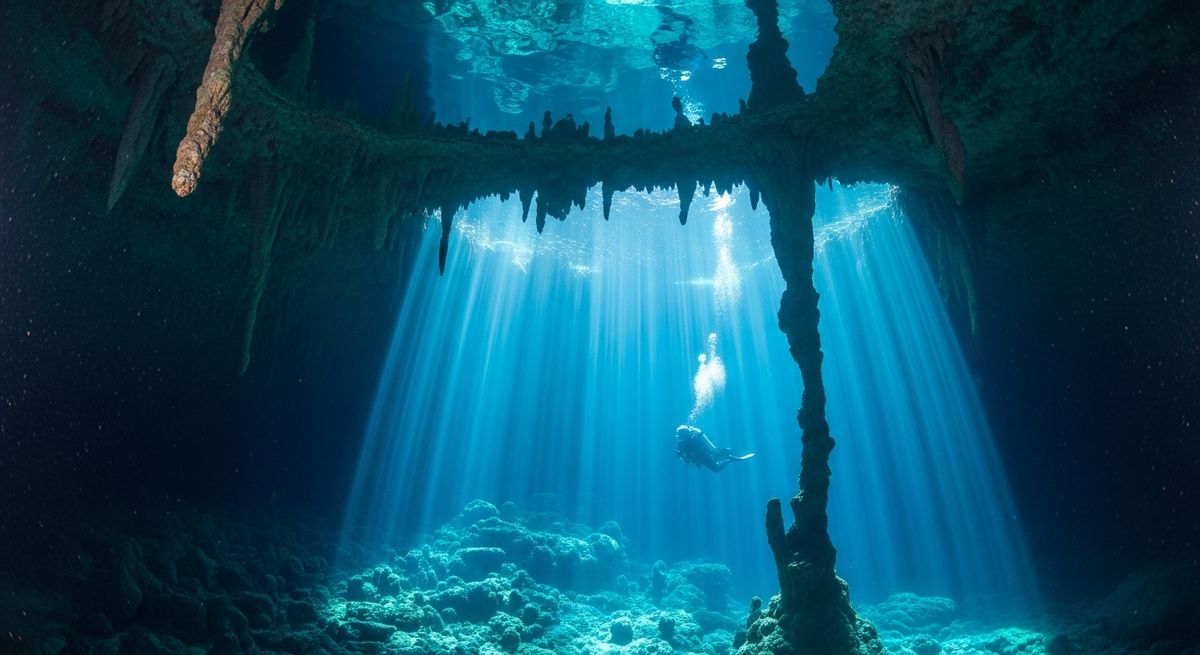
Overhead environment - never enter without proper cave/cavern training, redundant equipment, and a guideline.
Nearest Dive Centres to Leigh Reef
Dive shops near Leigh Reef
GOAT ISLAND DIVE and SNORKEL
NEW ZEALAND DIVING
Auckland Scuba - Silverdale
Reviews for Leigh Reef
Conditions
Ocean conditions, forecast and tides for Leigh Reef
Leigh Reef Ocean Conditions
Monthly averages for Leigh Reef, sourced from Open-Meteo marine data + Copernicus Marine (EU) - nearest station: Open-Meteo marine grid (-35.84, 174.61) (14km away)
October Averages
Sea Temperature
16°C
60°F · Range: 14.8–17.1°C
Current Speed
11.4 cm/s
Direction: SE (142.1°)
Chlorophyll-a
0.388 mg/m³
Moderate productivity
Salinity
35.44 PSU
Based on 4 years of monitoring data · Data sources: Open-Meteo marine data + Copernicus Marine (EU)
Plan & book
Ways to dive Poor Knights Islands, from day trips to liveaboards.
Day trips & courses
via GetYourGuideGuided dives, courses and snorkel trips with instant booking.
Find dive trips in Poor Knights IslandsPlaces to stay
via Booking.comHotels and dive resorts near Poor Knights Islands.
Search stays in Poor Knights IslandsDive insurance
Most travel insurance excludes or limits scuba. Check what you need before you go.
Dive insurance explainedPartner links: we may earn a commission if you book, at no extra cost to you. How we make money
Where to Stay near Leigh Reef
Prices from Booking.com. We may earn a commission at no extra cost to you.