Ngaio Rock
Protected Area
Poor Knights Islands
Why dive here
With 79+ marine species recorded in the area - including blue sharks, dolphins, hammerhead sharks, humpback whales and orcas - Ngaio Rock offers some of Poor Knights Islands's richest reef diving. Water ranges 15-22°C, warmest January, February, March.
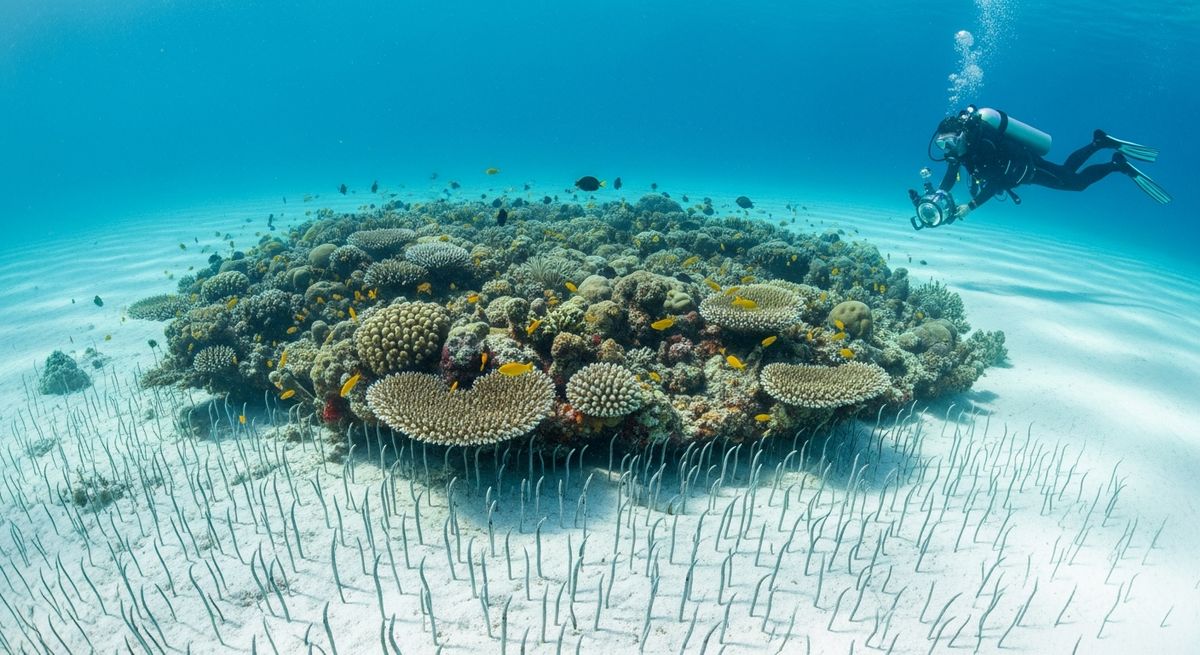
Ngaio Rock is one of those sites that just feels right, a proper Poor Knights classic. It's a stout chunk of rock rising from a sandy bottom around 20 metres, and we love hugging its walls. The reef here is just smothered in growth – sponges, anemones, and a kaleidoscope of ascidians. You'll find butterfly perch fluttering in every crevice and often see schools of blue maomao thick enough to cast shadows. Our favourite move here is a slow circumnavigation. It's not a huge site, so you can take your time, peering under ledges for octopus or the vibrant Luculentus Wrasse. Keep an eye on the sand too; we’ve spotted Southern Eagle Rays cruising by more than once. The maximum depth of 24 metres means it's pretty accessible for most certified divers, and the sheltered nature means it’s a good fallback when other spots are getting a bit surgey. It’s a consistently rewarding dive, perfect for photographers or anyone who just wants to soak up the unique Poor Knights vibe.
Nearest Dive Centres to Ngaio Rock
Dive shops near Ngaio Rock
Dive! Tutukaka
Moana Futures Ltd
Northland Dive
DIVE NOW
Reviews for Ngaio Rock
Conditions
Ocean conditions, forecast and tides for Ngaio Rock
Ngaio Rock Ocean Conditions
Monthly averages for Ngaio Rock, sourced from Open-Meteo marine data + Copernicus Marine (EU) - nearest station: Open-Meteo marine grid (-35.84, 174.61) (14km away)
October Averages
Sea Temperature
16°C
60°F · Range: 14.8–17.1°C
Current Speed
11.4 cm/s
Direction: SE (142.1°)
Chlorophyll-a
0.388 mg/m³
Moderate productivity
Salinity
35.44 PSU
Based on 4 years of monitoring data · Data sources: Open-Meteo marine data + Copernicus Marine (EU)
Plan & book
Ways to dive Poor Knights Islands, from day trips to liveaboards.
Day trips & courses
via GetYourGuideGuided dives, courses and snorkel trips with instant booking.
Find dive trips in Poor Knights IslandsPlaces to stay
via Booking.comHotels and dive resorts near Poor Knights Islands.
Search stays in Poor Knights IslandsDive insurance
Most travel insurance excludes or limits scuba. Check what you need before you go.
Dive insurance explainedPartner links: we may earn a commission if you book, at no extra cost to you. How we make money
Where to Stay near Ngaio Rock
Prices from Booking.com. We may earn a commission at no extra cost to you.