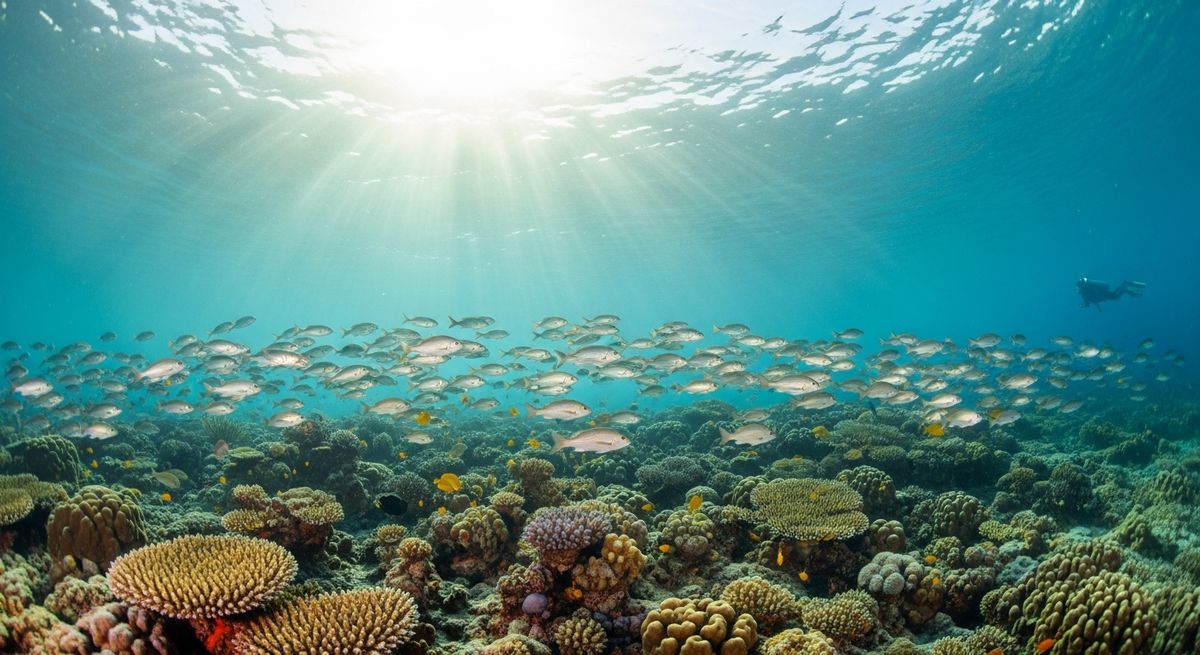
Taravana Cave
Protected Area
Poor Knights Islands
Why dive here
With 79+ marine species recorded in the area - including blue sharks, dolphins, hammerhead sharks, humpback whales and orcas - Taravana Cave offers some of Poor Knights Islands's richest reef diving. Water ranges 15-22°C, warmest January, February, March.
Taravana Cave is one of those places that feels ancient, almost sacred. We drop in usually on the outside wall, a good spot for spotting nudibranchs if you’ve got a keen eye, then descend to the cave mouth. It’s a wide opening at the sand line, swallowing you whole once you’re inside. The real show here is the light, or lack thereof. As you move deeper, the blues deepen, then fade to an inky black. You'll feel the water cool a few degrees, and the silence grows heavy. Inside the cave, past the light zone, it’s a place for qualified cave divers only. But even in the entrance, the growth on the walls is remarkable, a soft tapestry of sponges and filtering species. We love drifting just inside, letting our eyes adjust, watching banded morwong and parrotfish ghost past. Keep an eye out for blue-eyed triplefins darting about the darker recesses. This site is perfect for divers who appreciate dramatic topography and a sense of exploration, even if you’re just staying within the light.
Nearest Dive Centres to Taravana Cave
Dive shops near Taravana Cave
Dive! Tutukaka
Northland Dive
Moana Futures Ltd
DIVE NOW
Reviews for Taravana Cave
Conditions
Ocean conditions, forecast and tides for Taravana Cave
Taravana Cave Ocean Conditions
Monthly averages for Taravana Cave, sourced from Open-Meteo marine data + Copernicus Marine (EU) - nearest station: Open-Meteo marine grid (-35.84, 174.61) (14km away)
October Averages
Sea Temperature
16°C
60°F · Range: 14.8–17.1°C
Current Speed
11.4 cm/s
Direction: SE (142.1°)
Chlorophyll-a
0.388 mg/m³
Moderate productivity
Salinity
35.44 PSU
Based on 4 years of monitoring data · Data sources: Open-Meteo marine data + Copernicus Marine (EU)
Plan & book
Ways to dive Poor Knights Islands, from day trips to liveaboards.
Day trips & courses
via GetYourGuideGuided dives, courses and snorkel trips with instant booking.
Find dive trips in Poor Knights IslandsPlaces to stay
via Booking.comHotels and dive resorts near Poor Knights Islands.
Search stays in Poor Knights IslandsDive insurance
Most travel insurance excludes or limits scuba. Check what you need before you go.
Dive insurance explainedPartner links: we may earn a commission if you book, at no extra cost to you. How we make money
Where to Stay near Taravana Cave
Prices from Booking.com. We may earn a commission at no extra cost to you.