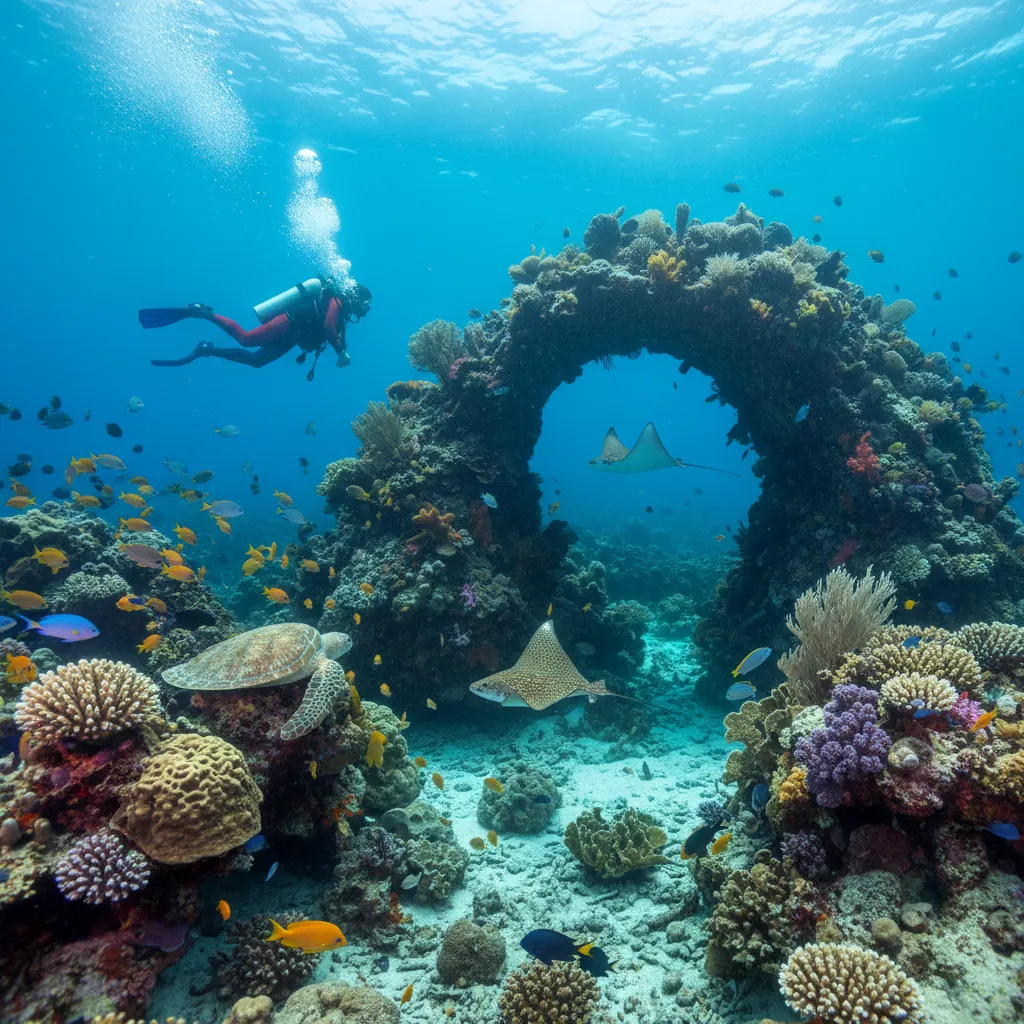

Diving in Antigua & Barbuda
Why dive here
Antigua & Barbuda offers rich diving, with 231+ marine species recorded in its waters - including barracuda, dolphins, dwarf minke whales, humpback whales and orcas. Water ranges 27-30°C, warmest August, September, October.
Antigua & Barbuda delivers a solid, dependable Caribbean dive trip, especially if you appreciate a calm surface and a relaxed pace. We find the South Coast of Antigua offers the most variety, with some decent wrecks, like the Andes, and healthy patch reefs. Expect schools of grunts and snapper hanging out, plus plenty of angelfish checking you out. Barbuda is trickier to reach, but the shallower reefs there are worth the effort for their vibrant colours and surprisingly big parrotfish. The visibility here is usually excellent, making it a great spot for underwater photography, particularly in the summer months when the water is warmest and calmest. Don't come expecting massive pelagics or dramatic walls, but if you're after easy diving, sun, and sand, Antigua & Barbuda fits the bill.
Antigua & Barbuda Dive Regions Map
Antigua & Barbuda Dive Regions
2 diving areas in Antigua & Barbuda
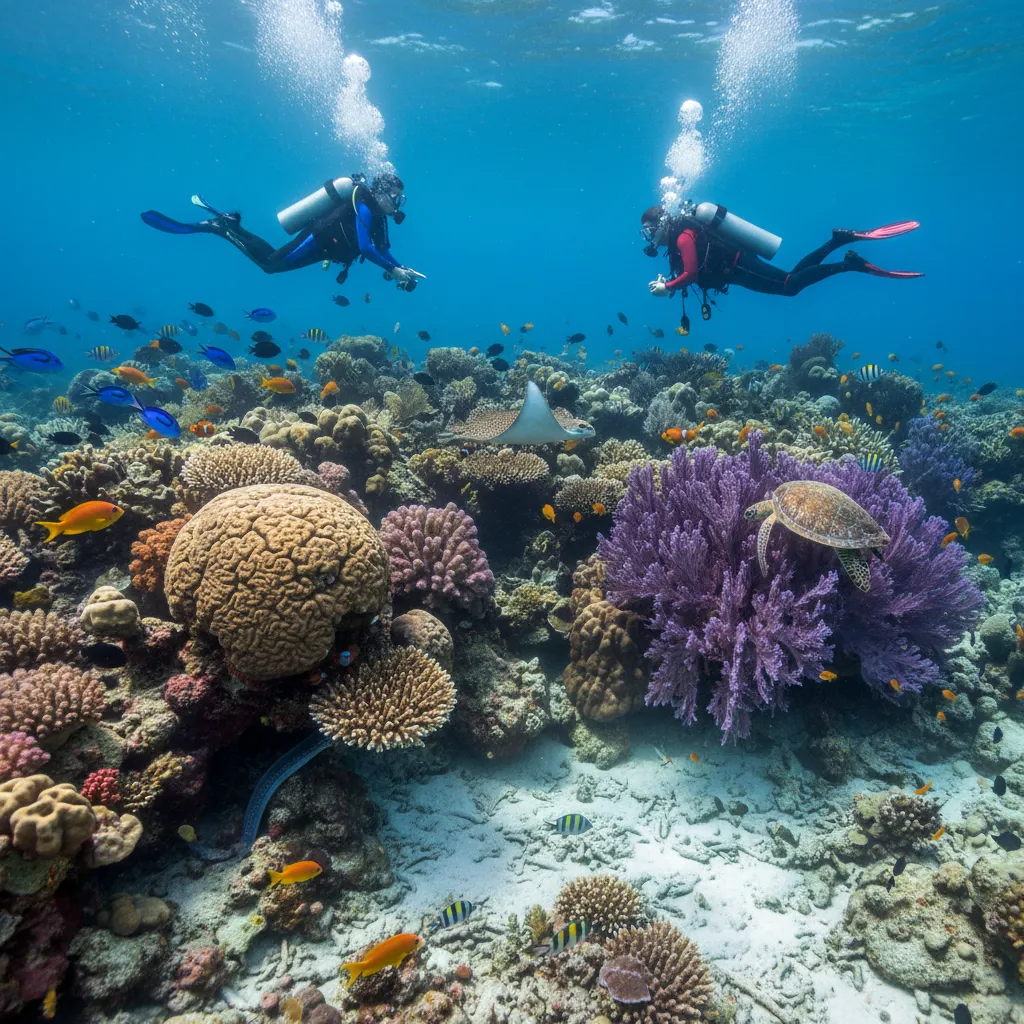
Antigua South Coast
The Antigua South Coast is our pick for a more varied dive experience on the island, especially if you’re into poking around old wrecks. You get a solid mix here, from shallow patch reefs perfect for beginners to a few decent wrecks that offer a bit more to explore. We’ve always appreciated the calm conditions inside the bays, making for some truly relaxed dives. You'll find the usual Caribbean suspects-parrotfish grazing, angelfish darting through the gorgonians-but what really grabs our attention are the little guys. We often spot things like the Bluegold Goby perched on coral heads, or the tiny, elusive American Pugnose Pipefish if you really slow down and look. Our favourite site has to be the wreck of the *Andes*. It’s not a deep dive, around 8-10 meters, so you get heaps of bottom time. The ship is draped in soft corals, and we’ve seen schools of Grey Snapper swirling around the superstructure. Visibility averages around 15-20 metres, dropping a bit after heavy rain, but generally, it’s a bright, welcoming kind of dive. Stronger currents can be a factor further out, but most of the main sites are pretty sheltered. If you want a break from just reef, this is a good bet.
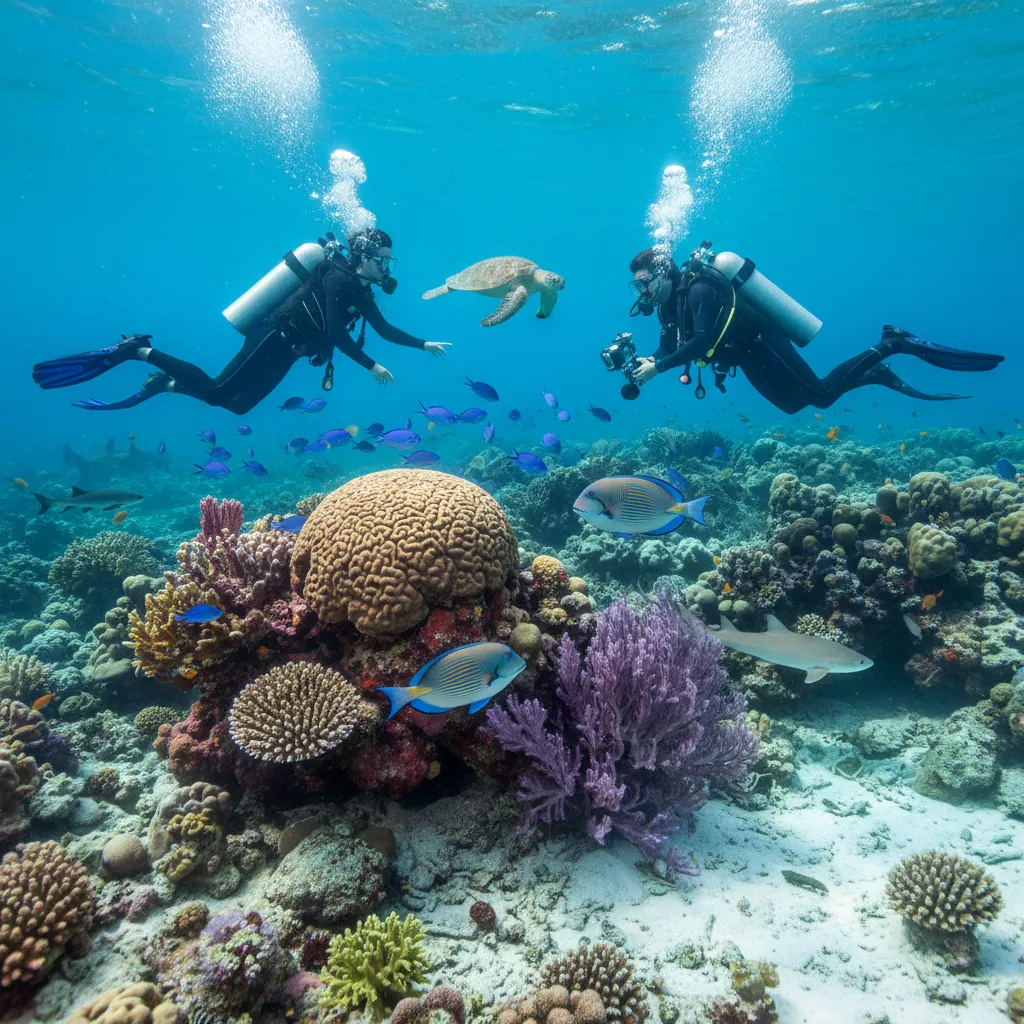
Barbuda
Barbuda. Just saying the name conjures images of empty beaches, and that’s pretty much what you get underwater too. This isn’t a place you just show up and dive; there are no dive centres here, so you’ll be coming over from Antigua on a private charter, which, honestly, is part of the appeal. You’re trading convenience for genuine remoteness. The reefs here feel untouched. We’re talking about finding enormous barrel sponges and gorgonians the size of dinner tables, not the usual stunted growth you see at busier spots. We love the dramatic drop-offs on the north side, where the reef really plunges into the deep blue. Keep an eye out for larger pelagics moving through there. Visibility is generally excellent, often pushing 30 metres, so you can really appreciate the scale. Our favourite site is probably the wreck of the George S. This old freighter is a magnet for schooling fish and we’ve seen some seriously chunky tiger groupers lurking in its shadows. On the deeper edges, we’ve even spotted gulper sharks, which is a real treat if you’re comfortable on those deeper dives. If you’re lucky enough to be there during nesting season, you might even see a Leatherback Sea Turtle cruising past. The currents can pick up, so it’s definitely one for the intermediate diver, but the reward is worth the effort. It’s a proper expedition, not just another dive.
Ocean Wildlife in Antigua & Barbuda
231 species recorded in Antigua & Barbuda
Antigua & Barbuda Visa Requirements
Check if you need a visa to dive in Antigua & Barbuda
Plan & book
Ways to dive Antigua & Barbuda, from day trips to liveaboards.
Day trips & courses
via GetYourGuideGuided dives, courses and snorkel trips with instant booking.
Find dive trips in Antigua & BarbudaPlaces to stay
via Booking.comHotels and dive resorts near Antigua & Barbuda.
Search stays in Antigua & BarbudaDive insurance
Most travel insurance excludes or limits scuba. Check what you need before you go.
Dive insurance explainedPartner links: we may earn a commission if you book, at no extra cost to you. How we make money