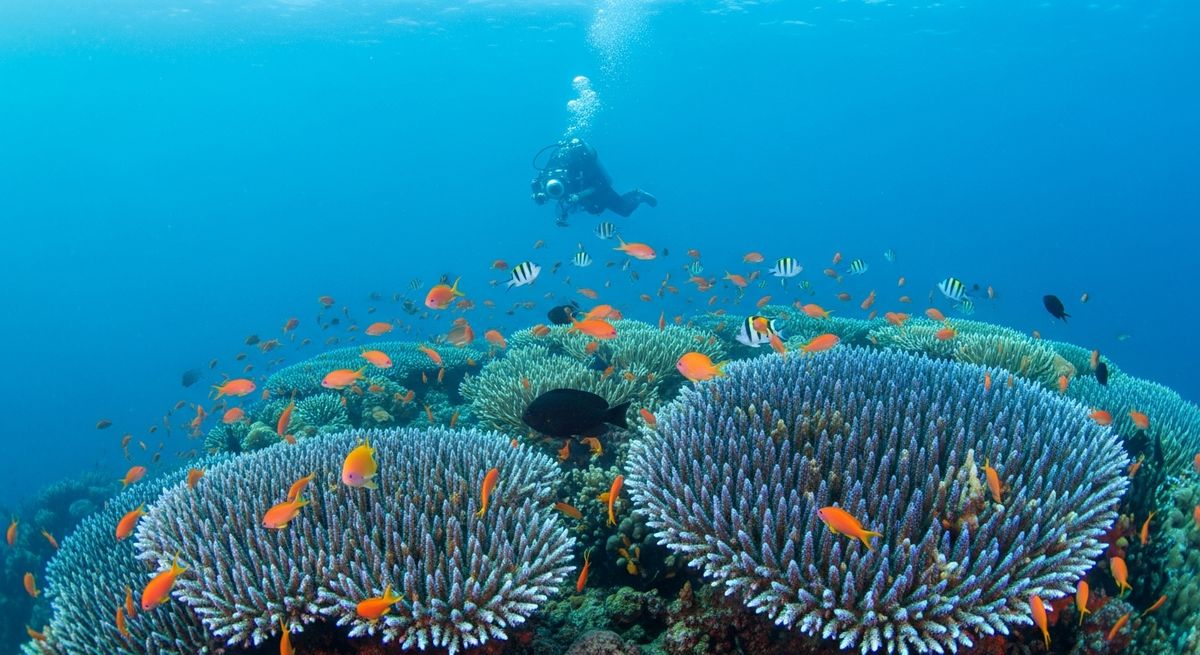
Bimini - Abaco

Bimini sits right on the edge of the Gulf Stream, which makes it a truly unique spot for shark encounters in the Bahamas. If you're looking for big pelagics, this is your place. We've seen blacktips, tiger sharks, and even the occasional blue marlin cruise by. But the real draw here is the great hammerheads, especially in winter. You can often get up close with these impressive animals, a truly humbling experience. It's a dive for those who want to see the ocean's apex predators, not just colorful reef fish.

Location
Abaco, Bahamas, Caribbean
Coordinates
25.720000, -79.250000
Type
reef
Maximum Depth
10-30m

Best Time to Dive in Abaco

The warmest water temperatures in Abaco occur in August, averaging 29.8°C (up to 31.9°C). The coolest conditions are in February at 24.0°C.

Monthly Water Temperatures

  • January: 24.4°C (air: 20.6°C)
  • February: 24.0°C (air: 22.7°C)
  • March: 24.3°C (air: 23.0°C)
  • April: 25.0°C (air: 24.5°C)
  • May: 25.9°C (air: 25.7°C)
  • June: 27.7°C (air: 27.3°C)
  • July: 29.0°C (air: 28.5°C)
  • August: 29.8°C (air: 28.8°C)
  • September: 29.4°C (air: 28.0°C)
  • October: 28.4°C (air: 26.9°C)
  • November: 26.9°C (air: 24.2°C)
  • December: 25.4°C (air: 21.9°C)

Nearby Dive Sites in Abaco

Nearest Dive Centres to Bimini

Marine Life in Abaco

Home to 372 recorded species including 293 reef fish, 30 hard corals, 16 whales & dolphins, 7 sea snails & nudibranchs, 7 sharks & rays, 5 other.

Notable Species

Recommended Packing List for Bimini

Based on average water temperature of 26.7°C, visibility 20 nmi, currents 4 cm/s.

  • Shorty or Rashguard - warm 27°C water needs minimal exposure protection
  • Mask - essential for every dive
  • Fins
  • BCD - buoyancy compensator
  • Regulator - your most safety-critical piece of gear
  • Dive Computer - tracks depth, time, and NDL
  • Surface Marker Buoy (SMB) - essential for boat pickups
  • Dive Torch - useful for crevices and colour at depth
  • Underwater Camera - capture your diving memories

Frequently Asked Questions

What are the typical depths for scuba diving in Bimini, and are there options for both shallow and deep dives?
Scuba diving in Bimini typically ranges from 10-30 meters. This depth range offers excellent opportunities for both shallower reef explorations and deeper dives, catering to various experience levels.
What kind of marine life and underwater attractions can divers expect to see when diving in Bimini?
Divers visiting Bimini can expect spectacular encounters with a variety of large predators, especially sharks. The area is a known hunting ground and nursery for tiger, blacktip, and blacknose sharks, with frequent sightings of great hammerhead sharks. You might also spot blue marlin, wahoo, swordfish, and bluefin tuna around the vibrant reef systems.
Is Bimini suitable for beginner scuba divers, or are most dive sites considered advanced?
Dive sites in Bimini are generally considered intermediate in difficulty. While not exclusively for advanced divers, beginners might find some sites challenging due to potential currents or the nature of the dives. It's recommended that newer divers gain some experience before exploring Bimini.
What is the best time of year to go scuba diving in Bimini for optimal conditions and marine life encounters?
The provided data does not specify the best time of year for optimal diving conditions or marine life encounters in Bimini. For general guidance on seasonal diving, please refer to our When to Dive section.
What scuba diving certifications are required to dive at the various sites in Bimini?
While specific certification requirements are not detailed in the provided data, given the intermediate difficulty of Bimini's dive sites and depths up to 30 meters, an Advanced Open Water certification or equivalent would be beneficial. At minimum, an Open Water certification is typically required for most recreational dives.
What are the typical water conditions, including currents and visibility, that divers might encounter in Bimini?
Bimini's location on the very edge of the Gulf Stream suggests that divers might encounter varying currents, which contribute to its rich marine life as a hunting ground for large predators. While specific visibility details are not provided, areas influenced by major currents often boast excellent visibility.