Abaco
Protected Area
Fowl Cays National Park
Why dive here
With 531+ marine species recorded in the area - including barracuda, dolphins, dwarf minke whales, humpback whales and lemon sharks - Abaco offers some of Nassau & New Providence's richest reef diving. Water ranges 25-30°C, warmest July, August, September.
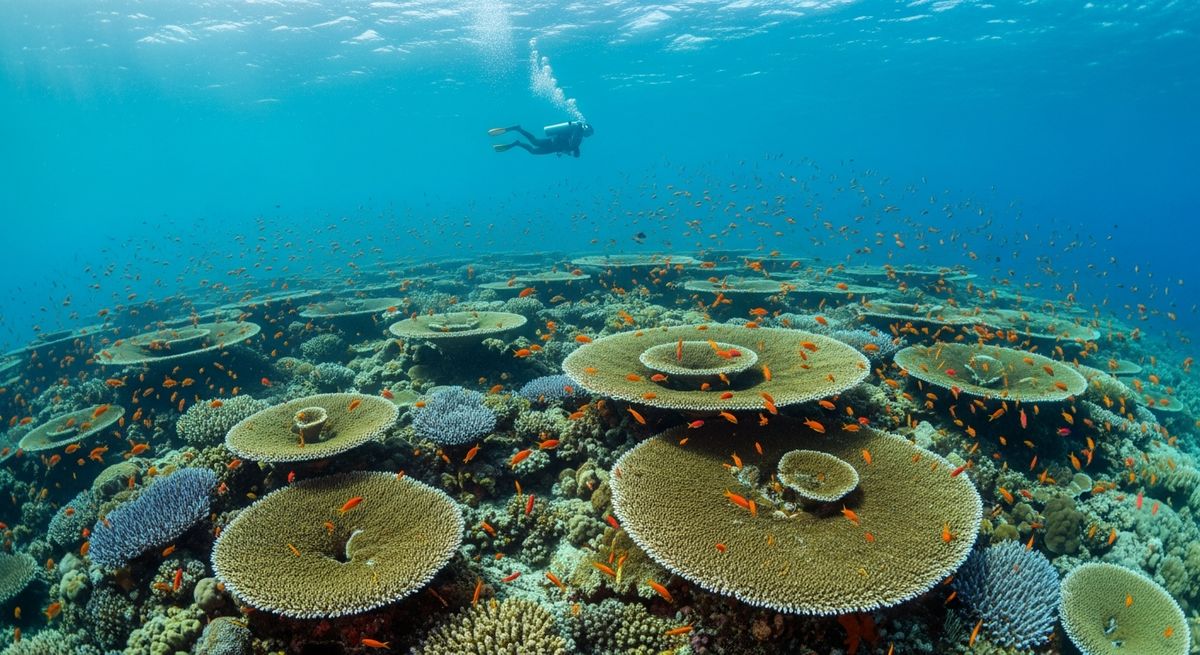
Abaco, while a bit of a trek from Nassau proper, offers a rewarding experience for divers who appreciate robust reef systems. You’ll find impressive stands of star and elkhorn corals here, forming a strong backbone for the reef. The currents, particularly around areas like Fowl Cay and Pelican Cay, have sculpted some interesting formations, creating a dynamic environment that’s great for drift dives. It's a healthy system, and you’ll often spot a good variety of the usual Caribbean suspects, from parrotfish to snapper, without feeling like you're in an aquarium. We’d suggest this for divers who enjoy a natural, less-frequented reef dive and don’t mind a bit of a boat ride to get there.
Typical Abaco Dive Profile
Illustrative profile based on site depth and type. Actual dive profiles vary - always follow your dive computer and training.
Nearest Dive Centres to Abaco
Dive shops near Abaco
View all dive centres in Nassau & New ProvidenceReviews for Abaco
Conditions
Ocean conditions, forecast and tides for Abaco
Abaco Ocean Conditions
Monthly averages for Abaco, sourced from NOAA NDBC + Copernicus Marine (EU) - nearest station: 8723214 - Virginia Key, FL (295km away)
October Averages
Sea Temperature
29°C
84°F · Range: 25.1–31.5°C
Air Temperature
28°C
82°F
Current Speed
6.71 cm/s
Direction: NW (333.4°)
Chlorophyll-a
0.057 mg/m³
Very clear (oligotrophic)
Salinity
36.73 PSU
Wind Speed
4 m/s
7.8 knots
Atmospheric Pressure
1014.6 hPa
Based on 5 years of monitoring data · Data sources: NOAA NDBC + Copernicus Marine (EU)
Plan & book
Ways to dive Nassau & New Providence, from day trips to liveaboards.
Day trips & courses
via GetYourGuideGuided dives, courses and snorkel trips with instant booking.
Find dive trips in Nassau & New ProvidencePlaces to stay
via Booking.comHotels and dive resorts near Nassau & New Providence.
Search stays in Nassau & New ProvidenceDive insurance
Most travel insurance excludes or limits scuba. Check what you need before you go.
Dive insurance explainedPartner links: we may earn a commission if you book, at no extra cost to you. How we make money
Where to Stay near Abaco
Prices from Booking.com. We may earn a commission at no extra cost to you.