
Diving in Barbados
Why dive here
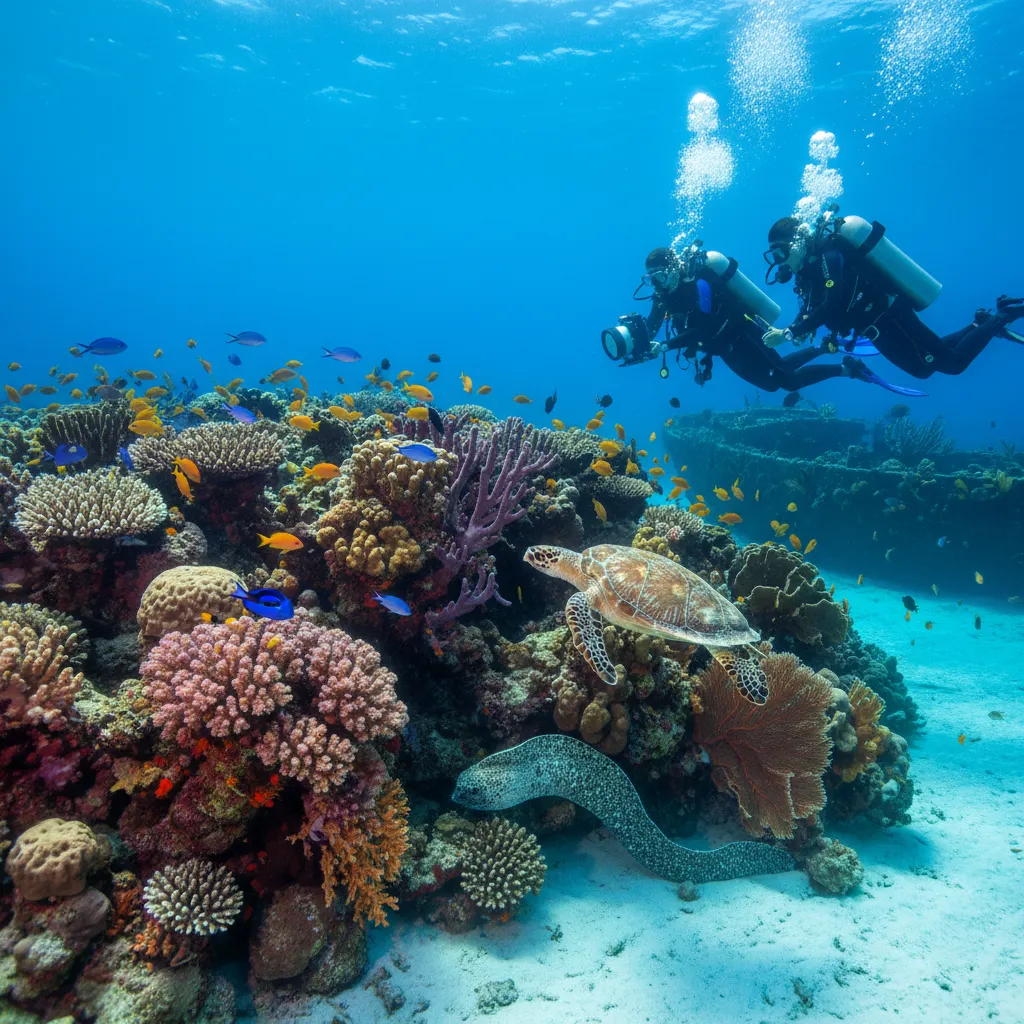
Barbados offers rich diving, with 380+ marine species recorded in its waters - including barracuda, dolphins, humpback whales, octopuses and orcas. Water ranges 27-30°C, warmest August, September, October.
Barbados often gets overlooked for its flashy neighbours, but we've always found it a solid bet, particularly for wrecks. The south and west coasts are where you'll spend most of your time, offering a good mix of purpose-sunk vessels. We love the Stavronikita, a Greek freighter that's become a thriving artificial reef, full of schooling tarpon and the occasional turtle gliding past. Visibility is generally good year-round, though the calmer seas of summer make for an easier ride out. Beyond the metal, keep an eye out for some of the island's more unusual residents, like the pale cardinalfish, tucked into crevices, or the surprisingly shy dark-spotted snake eel peeking out from the sand.
Barbados Dive Regions Map
Barbados Dive Regions
2 diving areas in Barbados
South Coast
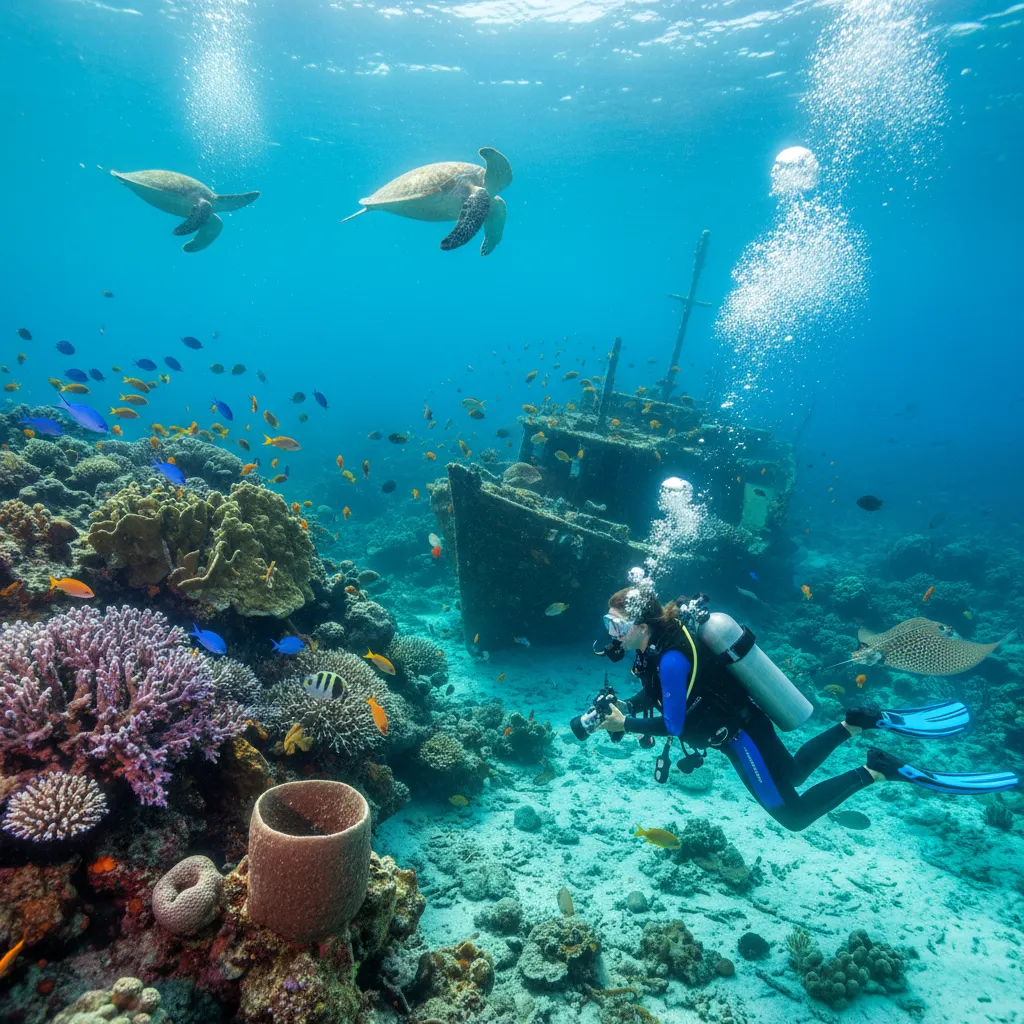
The South Coast of Barbados is where we usually send divers looking for straightforward, rewarding Caribbean diving without too much fuss. It's a sweet spot for beginners, but there's enough here to keep intermediate divers happy too. We’ve recorded over 700 species here. Expect a good mix of healthy reef and accessible wrecks, often with a gentle push from the current that makes for some lovely drift dives. Our favourite wreck here is the Berwyn, a tugboat sitting upright in about 8 meters of water. It’s a cracker for new divers, totally intact and home to a resident population of pufferfish and a few curious grunts that will swim right up to your mask. You can spend a good chunk of a dive just circling it. For something a little deeper, the reefs off Oistins are worth checking out. We often see blennies darting into crevices and have even spotted the odd fierce pike smelt zipping by on a drift. The visibility is consistently good, especially in the calmer summer months, though you can get some exciting drift on the deeper sites when the current picks up. If you're staying in St. Lawrence Gap, this area is super convenient, just a short boat ride out.
West Coast
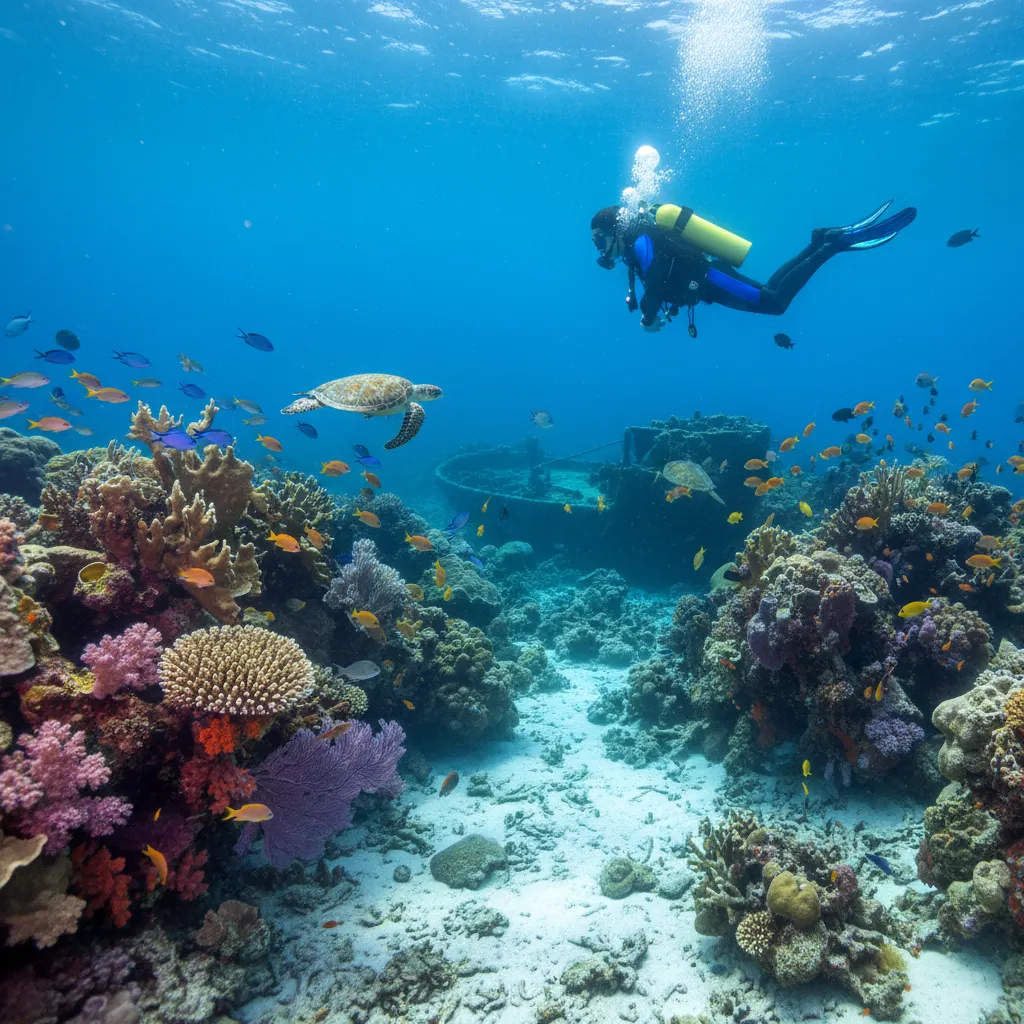
Barbados’ West Coast is where we head when we want easy diving and reliable turtle sightings. The Caribbean side truly lives up to its name for calmness; we’ve rarely encountered anything more than a gentle sway here, making it perfect for longer bottom times. You’ll spend most of your dives drifting gently past low-lying reef structures and a scattering of wrecks, often with a green sea turtle or hawksbill cruising alongside you. Our favourite spots are always the wrecks, especially the Stavronikita. She’s an old freighter, sunk deliberately as an artificial reef, and the way the light filters through her upper decks makes for some striking photography. Look closely in the nooks and crannies for curious little blennies like the Checkered and Longfin, and you’ll often find schools of Atlantic spadefish schooling over the mast. We’ve also had some fantastic encounters with large schools of grunt and drumfish that seem completely unfazed by divers. Visibility stays pretty consistent year-round, usually around 20-25m, so you don’t need to be too picky about when you visit. Just be ready for those turtles, they’re everywhere.
Ocean Wildlife in Barbados
380 species recorded in Barbados
Barbados Visa Requirements
Check if you need a visa to dive in Barbados
Plan & book
Ways to dive Barbados, from day trips to liveaboards.
Day trips & courses
via GetYourGuideGuided dives, courses and snorkel trips with instant booking.
Find dive trips in BarbadosPlaces to stay
via Booking.comHotels and dive resorts near Barbados.
Search stays in BarbadosDive insurance
Most travel insurance excludes or limits scuba. Check what you need before you go.
Dive insurance explainedPartner links: we may earn a commission if you book, at no extra cost to you. How we make money