Piedra Bonita
Protected Area
Bancos de La Plata y La Navidad
Why dive here
With 173+ marine species recorded in the area - including barracuda, humpback whales, orcas, sea turtles and sperm whales - Piedra Bonita offers some of Bayahibe & La Romana's richest drift diving. Water ranges 27-30°C, warmest August, September, October.
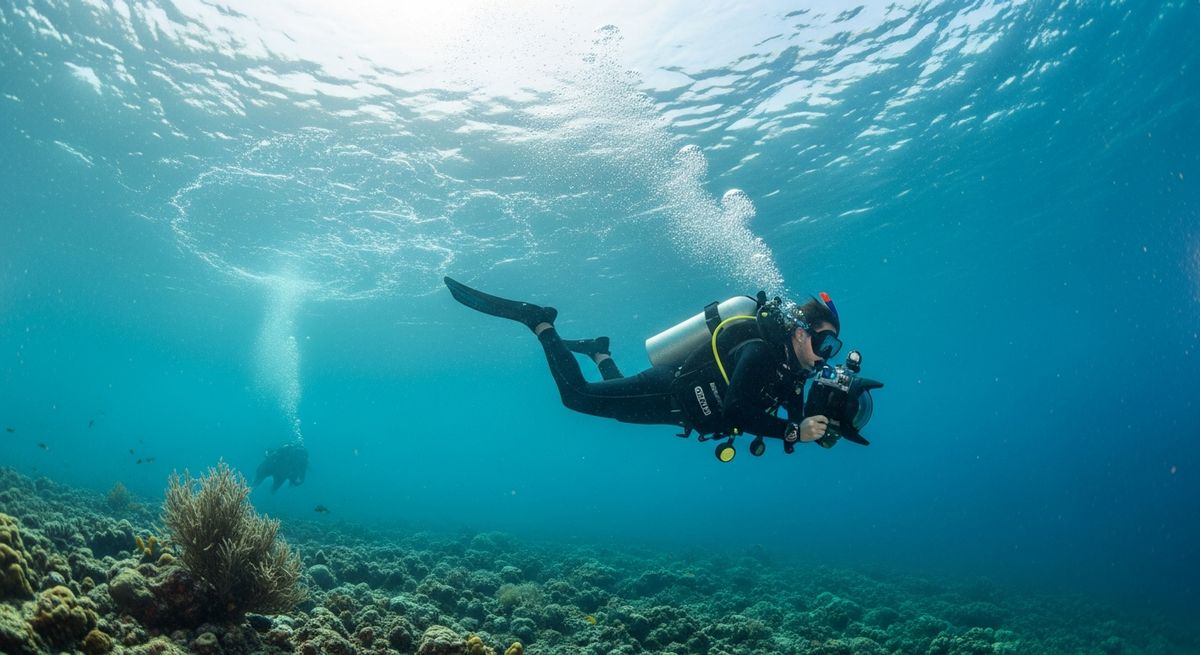
Piedra Bonita, "Beautiful Rock," lives up to its name. We think this site is a solid choice for a relaxing afternoon dive, especially if you’re staying in Bayahibe. The rock formation itself is the star, a sizable coral and rock structure that drops to around 25 meters. We’ve found the best of it above 20 meters, where the coral growth is densest. Keep an eye out for the smaller stuff – we often spot Peppered Gobies and Roughtail Gobies on the rock face, and Trumpetfish are usually lurking about. While the data mentions sharks and turtles, we’ve seen more Harlequin Bass and schools of small reef fish weaving through the turtlegrass and manatee grass beds nearby. Visibility averages around 12 meters, so it’s a site where you’ll want to get a little closer to appreciate the details. It’s a pretty straightforward dive, good for most experience levels.
Safety Notes
Drift dive - carry a surface marker buoy (SMB) and stay with your group. Brief the current direction before entry.
Nearest Dive Centres to Piedra Bonita
Dive shops near Piedra Bonita
Scuba Libre
Seaklub Samana
Profundo Blue
The Dive Academy
Reviews for Piedra Bonita
Conditions
Ocean conditions, forecast and tides for Piedra Bonita
Piedra Bonita Ocean Conditions
Monthly averages for Piedra Bonita, sourced from Open-Meteo marine data - nearest station: Open-Meteo marine grid (18.43, -69.32) (24km away)
October Averages
Sea Temperature
30°C
87°F · Range: 28.9–31°C
Air Temperature
27°C
81°F
Wind Speed
3.91 m/s
7.6 knots
Atmospheric Pressure
1012.7 hPa
Based on 4 years of monitoring data · Data sources: Open-Meteo marine data
Plan & book
Ways to dive Bayahibe & La Romana, from day trips to liveaboards.
Day trips & courses
via GetYourGuideGuided dives, courses and snorkel trips with instant booking.
Find dive trips in Bayahibe & La RomanaPlaces to stay
via Booking.comHotels and dive resorts near Bayahibe & La Romana.
Search stays in Bayahibe & La RomanaDive insurance
Most travel insurance excludes or limits scuba. Check what you need before you go.
Dive insurance explainedPartner links: we may earn a commission if you book, at no extra cost to you. How we make money
Where to Stay near Piedra Bonita
Prices from Booking.com. We may earn a commission at no extra cost to you.