
Diving in Grenada
Why dive here
Grenada offers rich diving, with 299+ marine species recorded in its waters - including barracuda, dolphins, humpback whales, nurse sharks and orcas. Water ranges 27-30°C, warmest August, September, October.
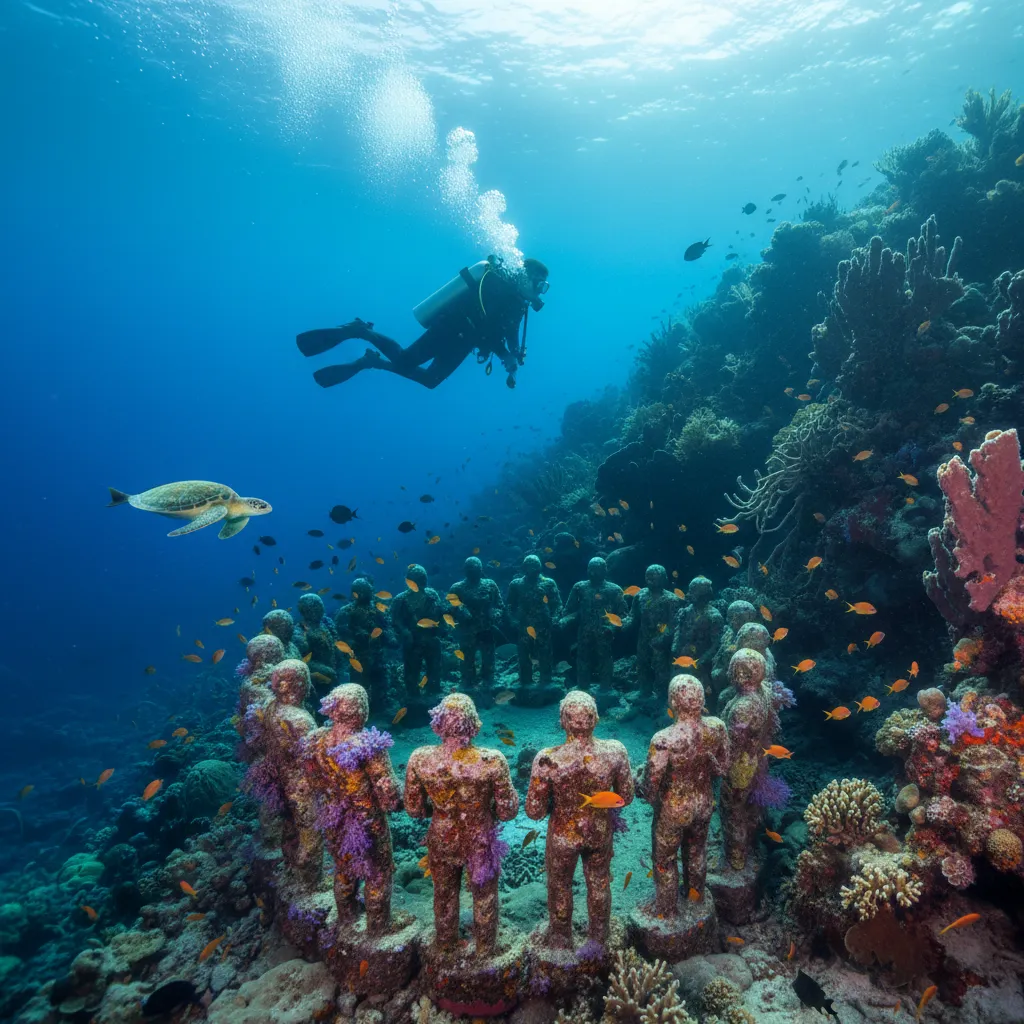
Grenada offers a different kind of Caribbean diving, less about endless healthy reef walls and more about fascinating wrecks and unique critters. We think the southwest coast is where the action is, particularly for the big draws. Everyone talks about the *Bianca C*, and for good reason-it’s a truly monumental wreck, resting at a depth that makes it accessible for advanced divers to explore its many decks. Then there’s the Molinere Underwater Sculpture Park, which, while a bit of a novelty, is still a pretty cool shallow dive, creating new habitat and offering some great photo ops. Beyond those, we’ve found the volcanic reefs hold some unusual finds; look out for Saddle Stargazers burying themselves in the sand or the camouflaged Mushroom Scorpionfish. Winter brings the calmest conditions, though we’ve had good visibility right through spring too.
Grenada Dive Regions Map
Grenada Dive Regions
2 diving areas in Grenada
Carriacou
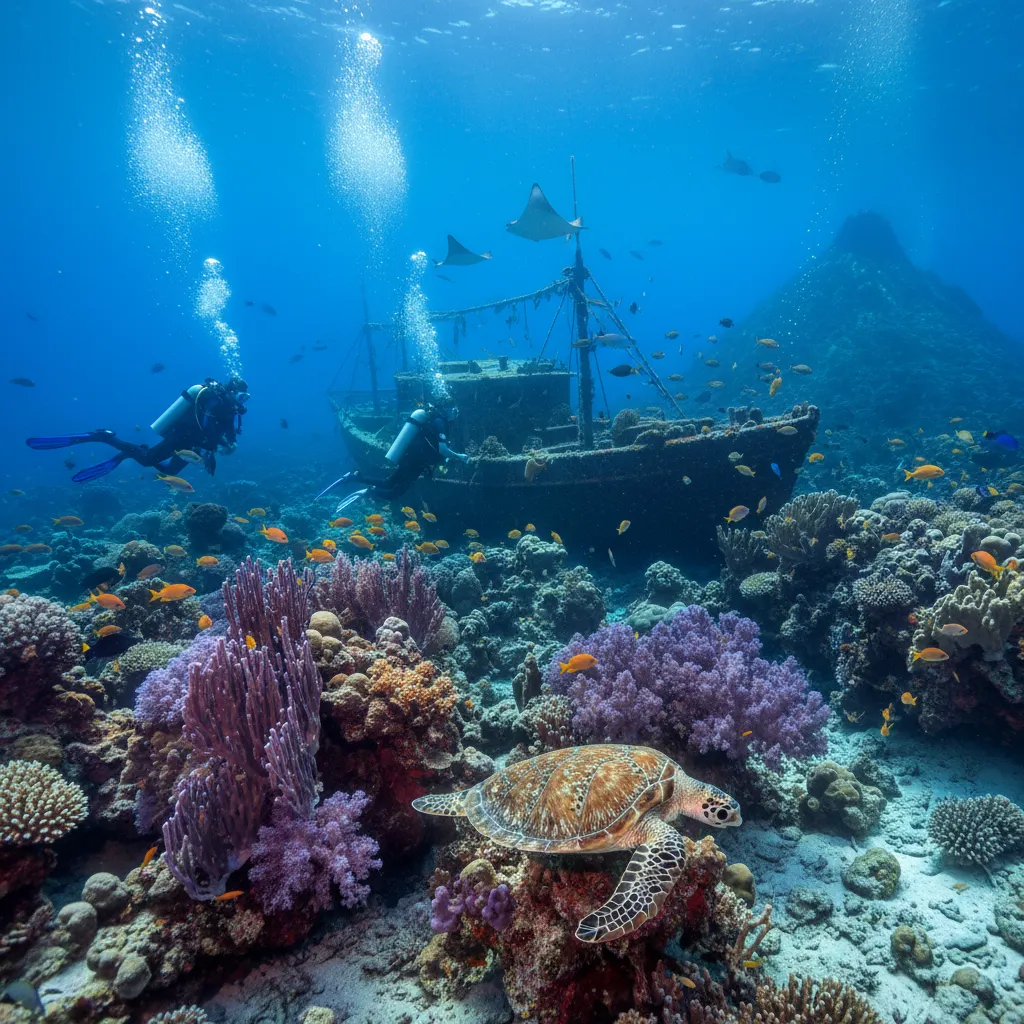
Carriacou has this laid-back charm, a real contrast to some of the busier Caribbean spots. It’s got that “sister island” vibe, just a short hop from Grenada proper, and the diving really benefits from fewer boats and divers. We love that feeling of having a site almost to ourselves. The reefs here feel wonderfully healthy, loaded with sponges and anemones. Drift dives are our pick, especially along the west coast where the currents gently push you past big schools of fusiliers and snapper. You’ll often spot a Mottled Conger Moray peeking out from a crevice, or an Orangespotted Filefish darting between the coral heads. We’ve had some fantastic encounters with shy Diamond Blennies here, always a treat to watch them flicker in and out of their burrows. The wrecks, like the *Boris*, are pretty accessible for intermediate divers and have become artificial reefs, drawing in plenty of Black-ear Wrasse and curious Hamlets. Visibility is generally excellent, often pushing 30 metres, making it easy to just relax and take it all in. We’d suggest going in the drier months, December to May, for the calmest surface conditions.
Southwest Coast
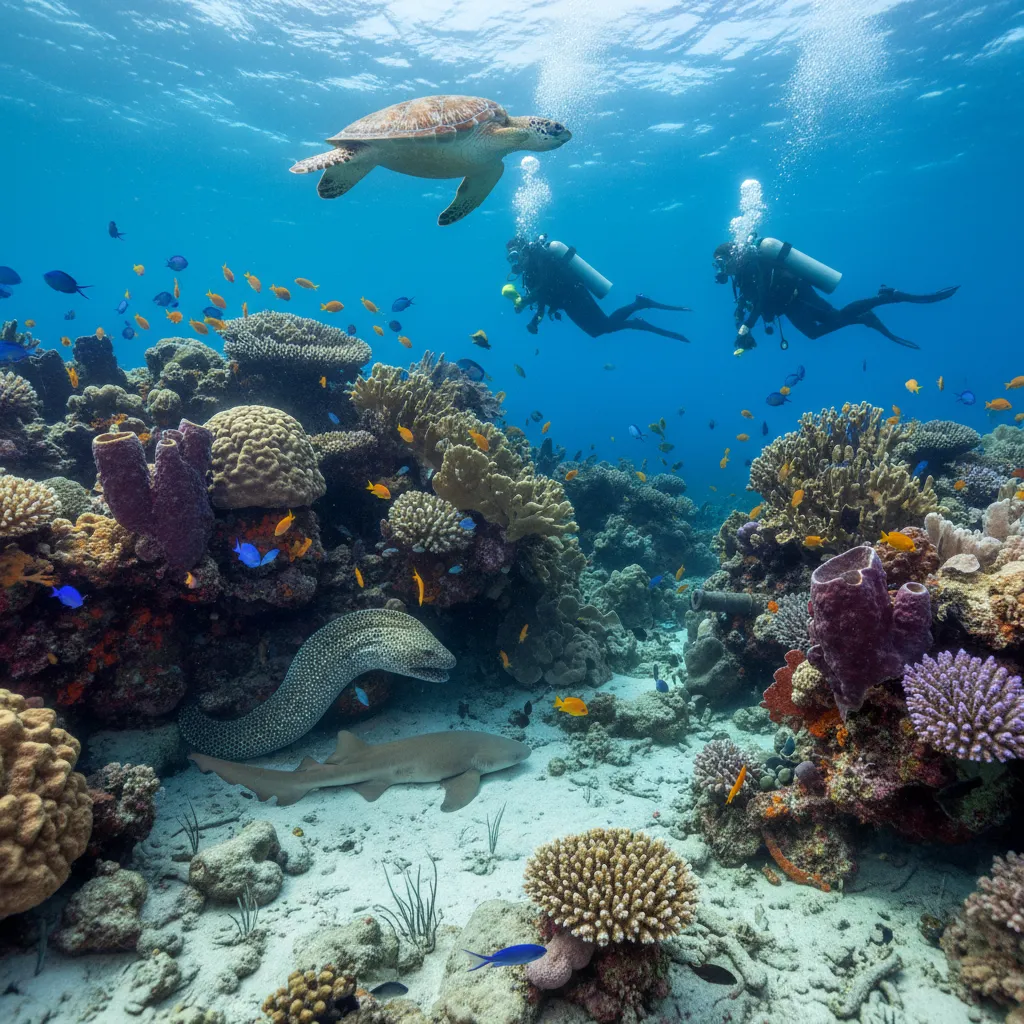
Grenada's Southwest Coast hits that sweet spot for divers who appreciate variety without having to hop on a dozen different boats. We love that you can start your day exploring the eerie beauty of the *Bianca C* wreck, then spend your afternoon finning through the whimsical figures of the Underwater Sculpture Park, and still have time for a chilled-out reef dive. The currents here can be a bit frisky sometimes, especially around the exposed wrecks, but they’re also what bring in some of the bigger pelagic show-stoppers. Our favourite spots often involve a bit of muck diving too. Keep an eye out for the smaller, quirkier residents like the tiny Goldline Blenny or the surprisingly colourful Saddle Squirrelfish tucked into the crevices. We’ve had incredible luck spotting huge schools of Horse-eye Jacks here, their silver bodies flashing in unison as they patrol the deeper sections. If you're after a thrill, a drift dive along some of the deeper walls can bring you face to face with a cruising Mahi Mahi or a curious Dorado. Visibility is generally solid, but if you hit it after a strong rainfall, expect a bit more particulate in the water. Go early in the morning for the quietest dives.
Ocean Wildlife in Grenada
299 species recorded in Grenada
Grenada Visa Requirements
Check if you need a visa to dive in Grenada
Plan & book
Ways to dive Grenada, from day trips to liveaboards.
Day trips & courses
via GetYourGuideGuided dives, courses and snorkel trips with instant booking.
Find dive trips in GrenadaPlaces to stay
via Booking.comHotels and dive resorts near Grenada.
Search stays in GrenadaDive insurance
Most travel insurance excludes or limits scuba. Check what you need before you go.
Dive insurance explainedPartner links: we may earn a commission if you book, at no extra cost to you. How we make money