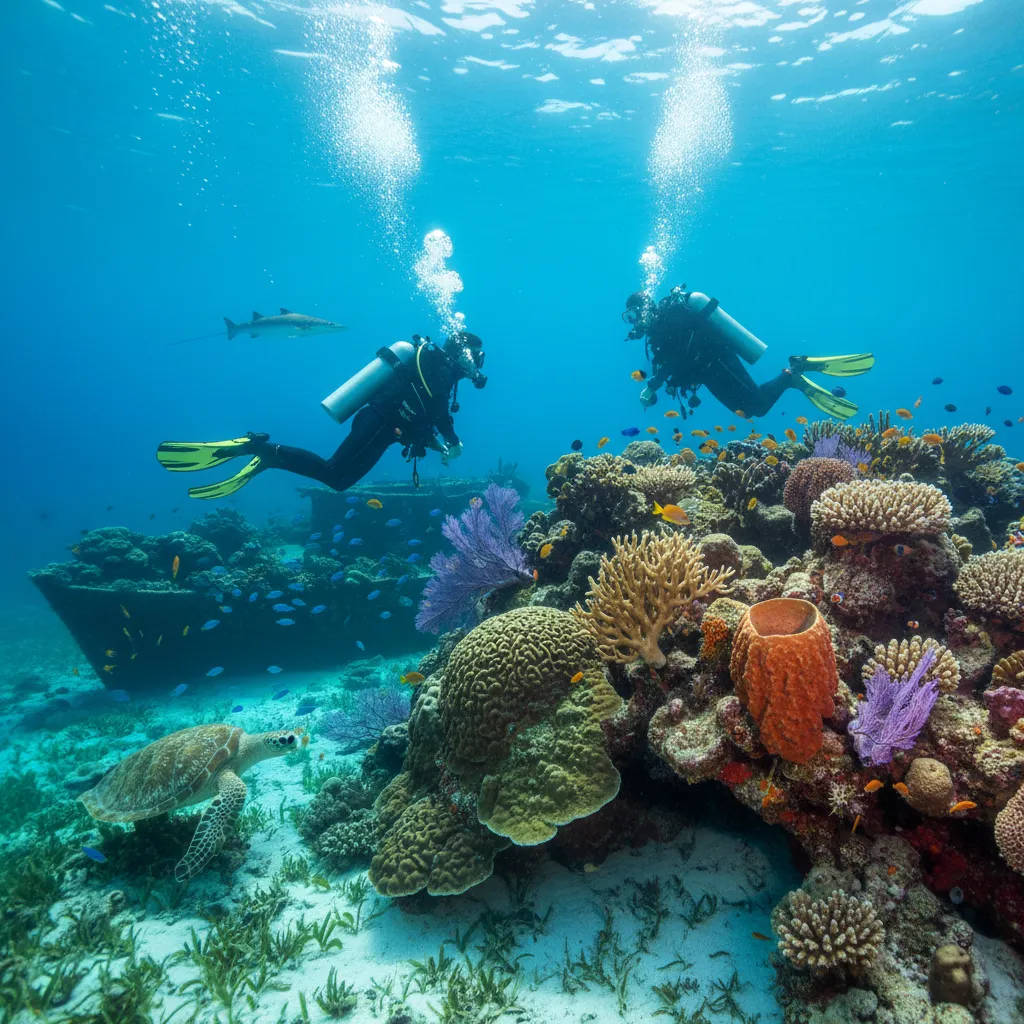

Diving in Jamaica
Why dive here
Jamaica offers rich diving, with 407+ marine species recorded in its waters - including barracuda, bull sharks, dolphins, eagle rays and nurse sharks. Water ranges 27-31°C, warmest August, September, October.
Jamaica, for us, has always been about that easy, breezy Caribbean vibe, both above and below the surface. We find the diving along the north coast to be consistently pleasant, with Montego Bay and Negril offering some particularly good spots. Think gentle wall dives, some interesting swim-throughs, and a few wrecks that are generally accessible. We’ve spent many a morning watching the Yellowhead Jawfish hover over their burrows, and the Elkhorn corals here are really coming back strong in some areas, which is great to see. Honestly, if you’re looking for straightforward, warm water diving with a proper laid-back island atmosphere, Jamaica delivers.
Jamaica Dive Regions Map
Jamaica Dive Regions
3 diving areas in Jamaica
Montego Bay
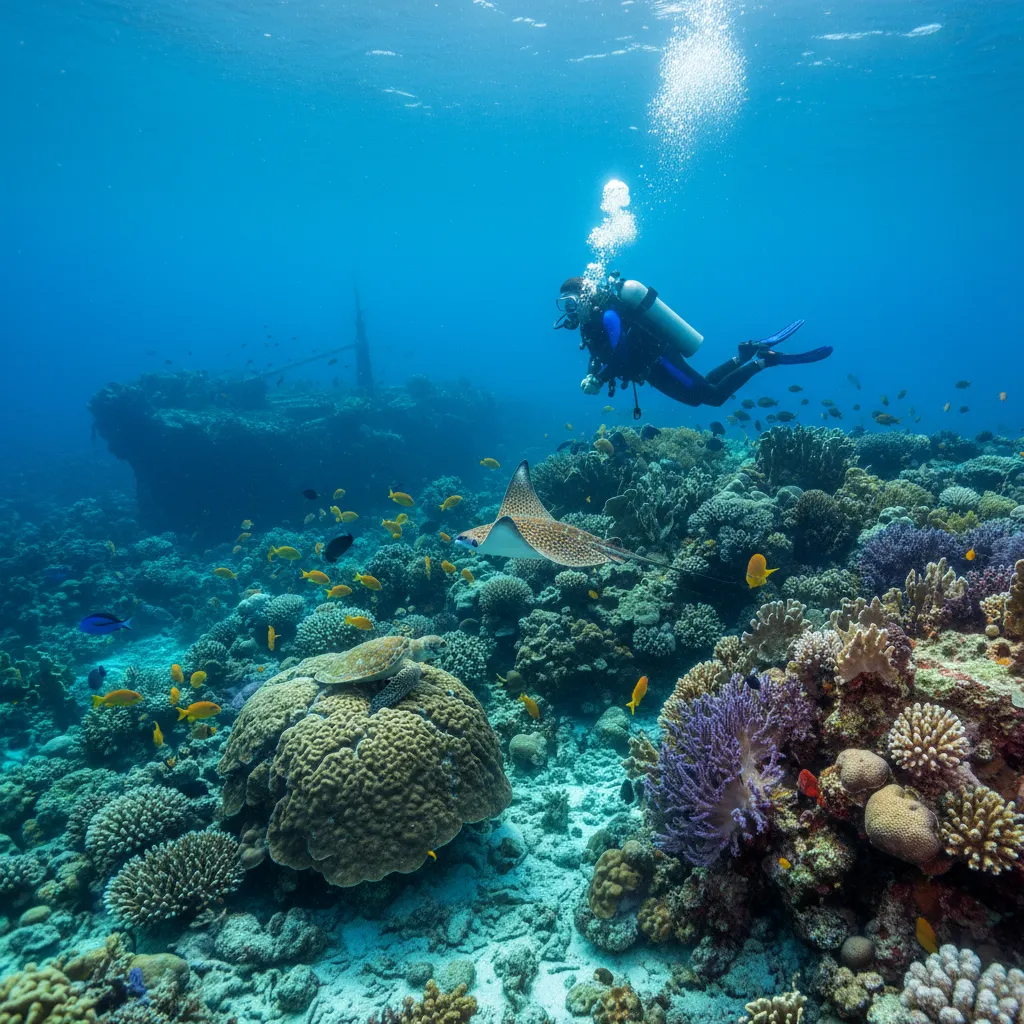
Montego Bay gets a bit of a bad rap sometimes, being a busy cruise port, but we think its diving is quietly solid. It’s not going to blow your mind with massive pelagics, but what you do get are a surprising number of small, colourful reef fish in a well-protected marine park. The reefs here are mostly gentle slopes, but there are some nice walls and even a wreck to mix things up. We particularly like the feeling of diving in a protected area; it just feels healthier, you know? Our favourite dives are often the shallower ones, where the light plays beautifully through the gorgonians. You’ll spot plenty of trumpetfish hanging vertically, trying to blend in, and the cheeky little dwarf wrasse darting between coral heads. We’ve had some fantastic encounters with schools of doctorfish, so thick they almost obscure the sun. Visibility usually holds up well, especially in the mornings before the boat traffic picks up. If you're staying in Montego Bay, this is a great option for consistent, pleasant reef diving without long boat rides. Just don’t expect dramatic drop-offs or roaring currents; it’s more about the calm enjoyment of a healthy Caribbean reef.
Negril
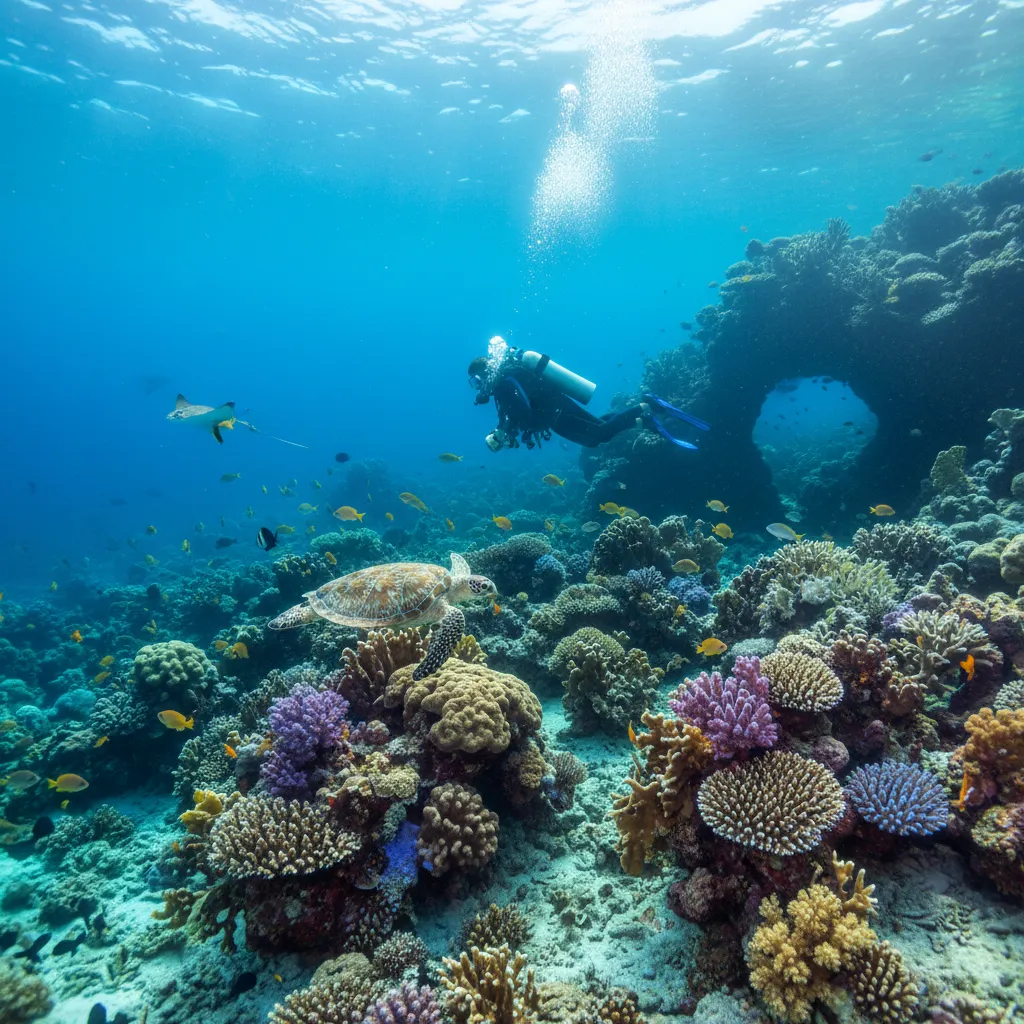
Negril offers that quintessential laid-back Caribbean diving. It’s not about big pelagics or massive walls, it’s about slow, sunny dives with a healthy dose of chill. Think gentle currents, warm water, and plenty of light filtering down onto those shallower reefs. We love the feeling of just drifting along, spotting a Mottled Jawfish peering out, or watching Glassy Sweepers school in a small cavern. Our favourite spots are often the sites with small caves and overhangs. There’s something special about seeing a Surge Clingfish camouflaged on a rock, or catching the iridescent flash of an Atlantic Lookdown. Visibility here is usually good, particularly in the mornings before any afternoon chop picks up. We’d suggest getting out early to beat any crowds and really soak in the peaceful vibe. The reefs are generally healthy, if not spectacular, with plenty of Thin Finger Coral and sponges, and you’ll find the usual suspects - Yellowhead Wrasses, Hound Needlefish, and often a well-camouflaged Coral Scorpionfish. It's a forgiving place to dive, perfect for shaking off the rust or just enjoying a relaxed afternoon underwater.
Ocho Rios
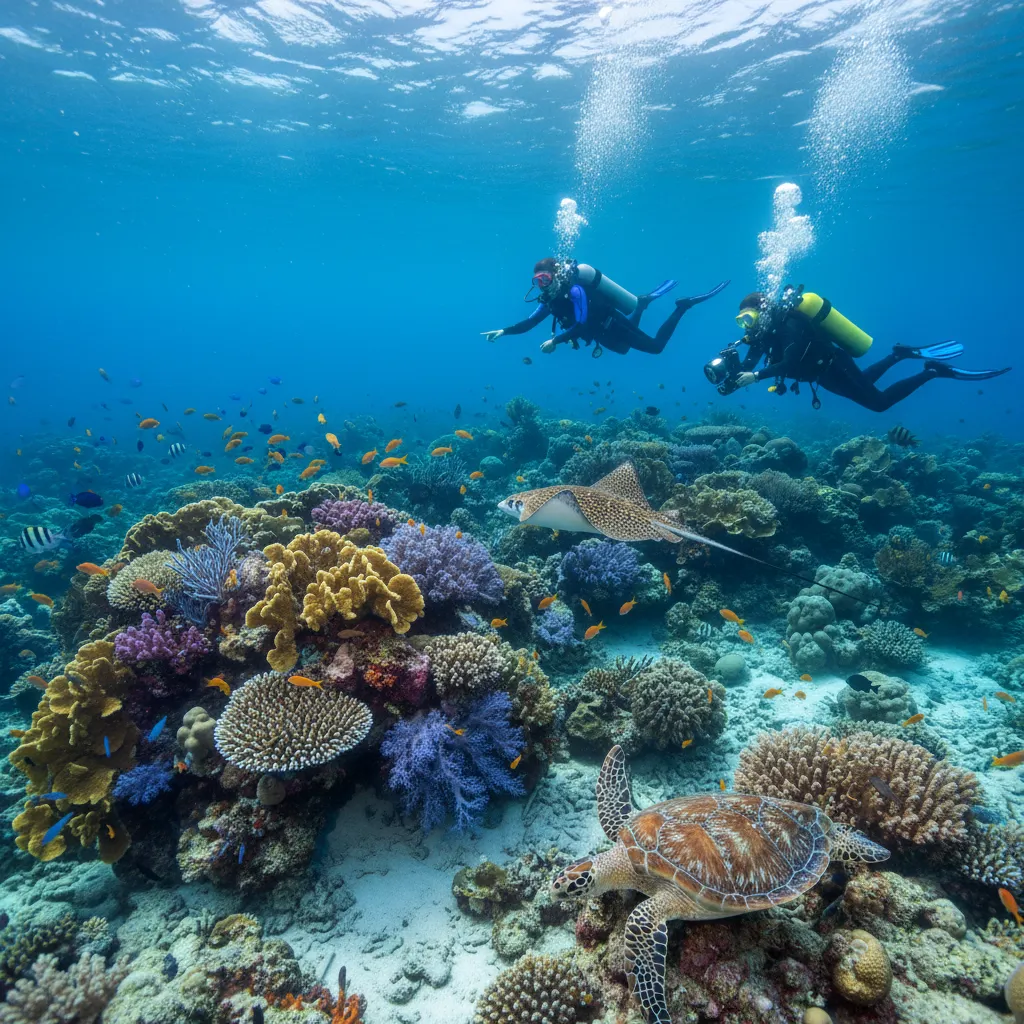
Ocho Rios diving isn't about deep drifts or roaring pelagics. It’s about a relaxed Caribbean pace, getting a little closer to the small stuff. We love the feeling of just drifting over the gentle slopes, spotting creatures you might miss elsewhere. It’s ideal for those days when you just want to take it easy and truly observe. The North Coast reefs here, surprisingly close to Dunn's River Falls, are mellow. You’ll find some lovely gorgonian gardens, and we’ve spent hours just watching the Midnight Parrotfish going about their business. Keep an eye out for the unusual residents; we’ve had some fantastic encounters with Opossum Pipefish tucked away in the seagrass, and the Shortnose Batfish are always a treat, shuffling along the sandy patches. Our favourite sites often involve poking around the smaller crevices for things like the Dubious Cerith or the tiny Mouse Cone snails. Visibility is usually solid, around 20 metres or so, making it easy to just relax and explore. It’s not the most dramatic diving, but it’s consistently enjoyable, especially if you appreciate the subtler side of reef life.
Ocean Wildlife in Jamaica
407 species recorded in Jamaica
Jamaica Visa Requirements
Check if you need a visa to dive in Jamaica
Plan & book
Ways to dive Jamaica, from day trips to liveaboards.
Day trips & courses
via GetYourGuideGuided dives, courses and snorkel trips with instant booking.
Find dive trips in JamaicaPlaces to stay
via Booking.comHotels and dive resorts near Jamaica.
Search stays in JamaicaDive insurance
Most travel insurance excludes or limits scuba. Check what you need before you go.
Dive insurance explainedPartner links: we may earn a commission if you book, at no extra cost to you. How we make money