Hole In The Wall
Protected Area
Islas de la Bahía
Why dive here
With 168+ marine species recorded in the area - including barracuda, orcas, sea turtles, whale sharks and pufferfish - Hole In The Wall offers some of Roatán's richest wall diving. Water ranges 27-30°C, warmest August, September, October.
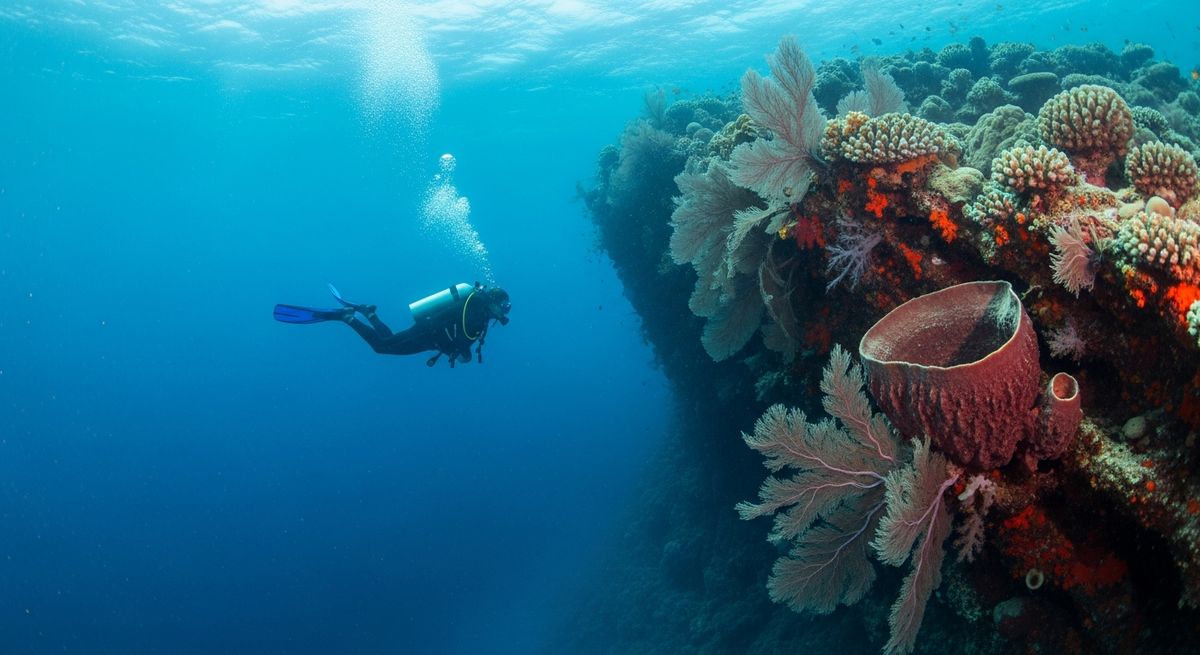
Hole In The Wall isn’t just a name, it’s a direct instruction. You drop in over a shallow reef, then slip through a coral swim-through, emerging directly into the blue. It’s an exhilarating feeling, like passing through a secret doorway. Our favourite way to dive it is to head straight out through the wall, then turn right and let the gentle current carry us along the vibrant outer reef. The wall itself is just stunning, dropping straight down with big gorgonians and sponges catching the light. We often spot garden eels swaying in the sand flats beyond the wall, and the crevices are fantastic for macro life – keep an eye out for blennies and tiny hermit crabs. While it doesn't have a buoy, your dive operator will know it well, usually found just southwest of the Mangrove Bight boat channel. This site is brilliant for divers who appreciate dramatic topography and a sense of adventure, with plenty of smaller creatures to discover if you take your time.
Nearest Dive Centres to Hole In The Wall
Dive shops near Hole In The Wall
Octopus Dive School
Centro de Buceo Jackson
Moana Divers
Native Sons
Sun DIvers
Roatan Scuba Store
Reviews for Hole In The Wall
Conditions
Ocean conditions, forecast and tides for Hole In The Wall
Hole In The Wall Ocean Conditions
Monthly averages for Hole In The Wall, sourced from Open-Meteo marine data + Copernicus Marine (EU) - nearest station: Open-Meteo marine grid (16.27, -86.6) (5km away)
October Averages
Sea Temperature
30°C
86°F · Range: 29–31.6°C
Current Speed
1.41 cm/s
Direction: NW (315°)
Chlorophyll-a
0.052 mg/m³
Very clear (oligotrophic)
Salinity
35.96 PSU
Based on 4 years of monitoring data · Data sources: Open-Meteo marine data + Copernicus Marine (EU)
Plan & book
Ways to dive Roatán, from day trips to liveaboards.
Day trips & courses
via GetYourGuideGuided dives, courses and snorkel trips with instant booking.
Find dive trips in RoatánPlaces to stay
via Booking.comHotels and dive resorts near Roatán.
Search stays in RoatánDive insurance
Most travel insurance excludes or limits scuba. Check what you need before you go.
Dive insurance explainedPartner links: we may earn a commission if you book, at no extra cost to you. How we make money
Where to Stay near Hole In The Wall
Prices from Booking.com. We may earn a commission at no extra cost to you.