Moon Hole
Protected Area
Sistema de Humedales de la Isla de Utila
Why dive here
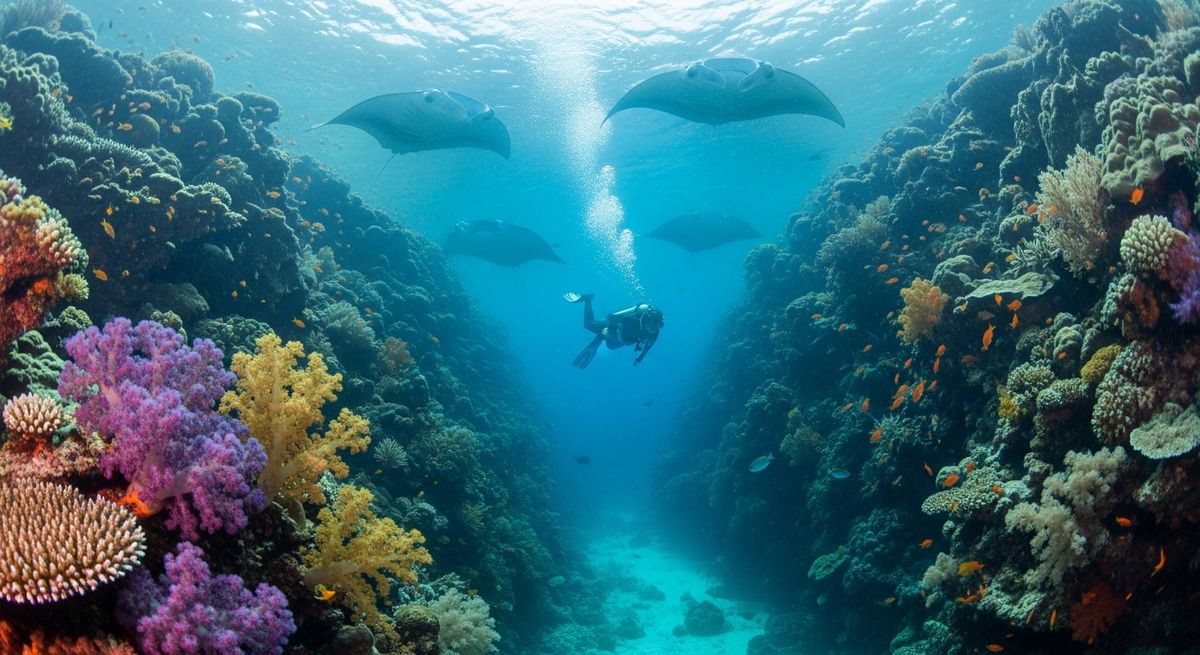
With 168+ marine species recorded in the area - including barracuda, orcas, sea turtles, whale sharks and pufferfish - Moon Hole offers some of Roatán's richest reef diving. Water ranges 27-30°C, warmest August, September, October.
Moon Hole isn't just a sandy patch, it's a calm entry into a really interesting part of Roatán. We often start here for buoyancy work, the 15-meter max depth gives you plenty of room to get comfortable before you even think about the main event. What we really love about Moon Hole is its easy connection to Ron’s Wreck. You cross a short stretch of coral, sometimes spotting a big milk conch or a rusty goby peeking out, and suddenly you’re there. Ron's Wreck itself is more like a scattered collection of historical bits than a full ship. Think old fishing boat, broken apart and now home to all sorts of life. We've seen black and white-spotted morays tucked into crevices, their heads swaying slightly. Keep an eye out for blue parrotfish nibbling at the growth, and if you’re lucky, a turtle might glide past. The wreck is shallow enough that sunlight floods everything, making the coral patches around it glow. It’s a gentle exploration, perfect for divers wanting a relaxed wreck experience without the deep, dark drama.
Nearest Dive Centres to Moon Hole
Dive shops near Moon Hole
Alton's Dive Center
Freedive Utila
Utila Dive Center
Underwater Vision Dive Center
Utila Water Sports
Cross Creek Dive Center
Reviews for Moon Hole
Conditions
Ocean conditions, forecast and tides for Moon Hole
Moon Hole Ocean Conditions
Monthly averages for Moon Hole, sourced from Open-Meteo marine data + Copernicus Marine (EU) - nearest station: Open-Meteo marine grid (16.27, -86.6) (5km away)
October Averages
Sea Temperature
30°C
86°F · Range: 29–31.6°C
Current Speed
1.41 cm/s
Direction: NW (315°)
Chlorophyll-a
0.052 mg/m³
Very clear (oligotrophic)
Salinity
35.96 PSU
Based on 4 years of monitoring data · Data sources: Open-Meteo marine data + Copernicus Marine (EU)
Plan & book
Ways to dive Roatán, from day trips to liveaboards.
Day trips & courses
via GetYourGuideGuided dives, courses and snorkel trips with instant booking.
Find dive trips in RoatánPlaces to stay
via Booking.comHotels and dive resorts near Roatán.
Search stays in RoatánDive insurance
Most travel insurance excludes or limits scuba. Check what you need before you go.
Dive insurance explainedPartner links: we may earn a commission if you book, at no extra cost to you. How we make money
Where to Stay near Moon Hole
Prices from Booking.com. We may earn a commission at no extra cost to you.