Stingray Point
Protected Area
Sistema de Humedales de la Isla de Utila
Why dive here
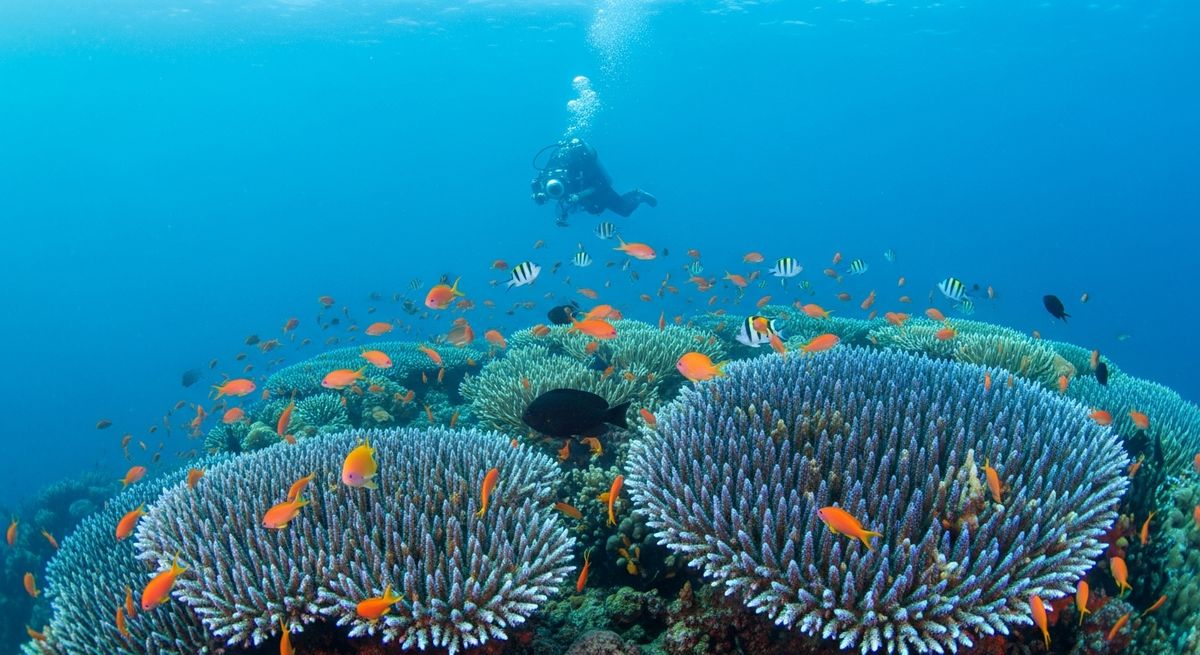
With 168+ marine species recorded in the area - including barracuda, orcas, sea turtles, whale sharks and pufferfish - Stingray Point offers some of Roatán's richest reef diving. Water ranges 27-30°C, warmest August, September, October.
Stingray Point isn't about dramatic drop-offs; it’s about the hunt. You start across a wide sandy channel, feeling the gentle push and pull of the surge, eyes peeled for what’s resting on the bottom. We’ve spotted southern stingrays here, sometimes half-buried, sometimes gliding along with that effortless flap of theirs. Our favorite part is the crack in the rock, about 100 meters long and wide enough to swim comfortably through. It’s usually packed with schoolmaster snapper, their silver scales catching the light as they shimmer in unison. Keep an eye out for spotted eagle rays cruising the channel, especially if you get there early. We’ve even heard whispers of mantas, though we haven't been lucky enough to see one ourselves yet. This site is a solid pick for divers who enjoy a relaxed pace, those who prefer observing the smaller details and the thrill of spotting elusive creatures in the sand. It’s a rewarding dive for patient divers, offering a different flavour than the usual reef dives.
Nearest Dive Centres to Stingray Point
Dive shops near Stingray Point
Coral View Utila Dive Center
Captain Morgans Dive Center
Alton's Dive Center
Freedive Utila
Underwater Vision Dive Center
Utila Dive Center
Reviews for Stingray Point
Conditions
Ocean conditions, forecast and tides for Stingray Point
Stingray Point Ocean Conditions
Monthly averages for Stingray Point, sourced from Open-Meteo marine data + Copernicus Marine (EU) - nearest station: Open-Meteo marine grid (16.27, -86.6) (5km away)
October Averages
Sea Temperature
30°C
86°F · Range: 29–31.6°C
Current Speed
1.41 cm/s
Direction: NW (315°)
Chlorophyll-a
0.052 mg/m³
Very clear (oligotrophic)
Salinity
35.96 PSU
Based on 4 years of monitoring data · Data sources: Open-Meteo marine data + Copernicus Marine (EU)
Plan & book
Ways to dive Roatán, from day trips to liveaboards.
Day trips & courses
via GetYourGuideGuided dives, courses and snorkel trips with instant booking.
Find dive trips in RoatánPlaces to stay
via Booking.comHotels and dive resorts near Roatán.
Search stays in RoatánDive insurance
Most travel insurance excludes or limits scuba. Check what you need before you go.
Dive insurance explainedPartner links: we may earn a commission if you book, at no extra cost to you. How we make money
Where to Stay near Stingray Point
Prices from Booking.com. We may earn a commission at no extra cost to you.