Sturges Bank
Protected Area
Sistema de Humedales de la Isla de Utila
Why dive here
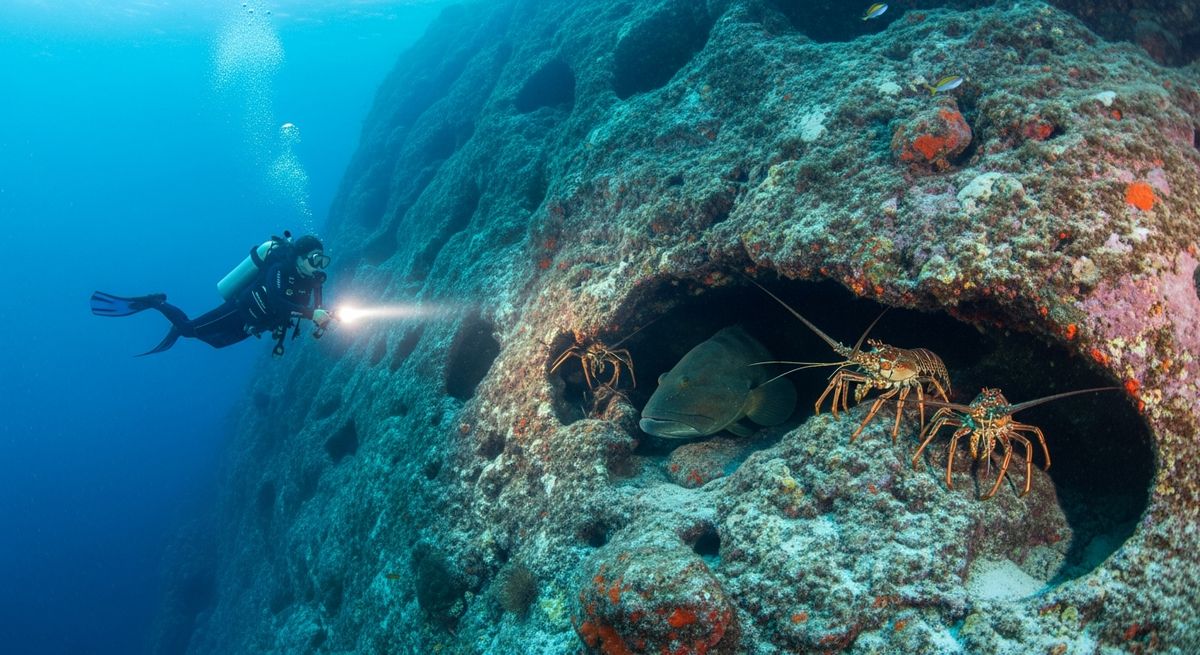
With 168+ marine species recorded in the area - including barracuda, orcas, sea turtles, whale sharks and pufferfish - Sturges Bank offers some of Roatán's richest wall diving. Water ranges 27-30°C, warmest August, September, October.
Sturges Bank, just inside the main harbour, is a spot we consistently head back to. It’s not about dramatic drop-offs or swim-throughs here. Instead, you find these lovely, undulating coral hills, all dusted with sand chutes, topping out around 16 metres. We love drifting along the edges, spotting Goldspot Gobies and their shrimp partners darting into burrows – a really endearing little dance. It’s a shallower, relaxed dive, perfect for working on your photography or just enjoying the slow pace. Keep an eye out for juvenile parrotfish and grunt schools in the quieter corners; they’re often tucked into the crevices. If you’re looking for a gentle, easy dive with consistent macro life and a good chance to spot those smaller, shyer reef creatures, Sturges Bank is a solid pick.
Nearest Dive Centres to Sturges Bank
Dive shops near Sturges Bank
Coral View Utila Dive Center
Alton's Dive Center
Freedive Utila
Utila Dive Center
Underwater Vision Dive Center
Utila Water Sports
Reviews for Sturges Bank
Conditions
Ocean conditions, forecast and tides for Sturges Bank
Sturges Bank Ocean Conditions
Monthly averages for Sturges Bank, sourced from Open-Meteo marine data + Copernicus Marine (EU) - nearest station: Open-Meteo marine grid (16.27, -86.6) (5km away)
October Averages
Sea Temperature
30°C
86°F · Range: 29–31.6°C
Current Speed
1.41 cm/s
Direction: NW (315°)
Chlorophyll-a
0.052 mg/m³
Very clear (oligotrophic)
Salinity
35.96 PSU
Based on 4 years of monitoring data · Data sources: Open-Meteo marine data + Copernicus Marine (EU)
Plan & book
Ways to dive Roatán, from day trips to liveaboards.
Day trips & courses
via GetYourGuideGuided dives, courses and snorkel trips with instant booking.
Find dive trips in RoatánPlaces to stay
via Booking.comHotels and dive resorts near Roatán.
Search stays in RoatánDive insurance
Most travel insurance excludes or limits scuba. Check what you need before you go.
Dive insurance explainedPartner links: we may earn a commission if you book, at no extra cost to you. How we make money
Where to Stay near Sturges Bank
Prices from Booking.com. We may earn a commission at no extra cost to you.