West End Wall
Protected Area
Islas de la Bahía
Why dive here
With 168+ marine species recorded in the area - including barracuda, orcas, sea turtles, whale sharks and pufferfish - West End Wall offers some of Roatán's richest wall diving. Water ranges 27-30°C, warmest August, September, October.
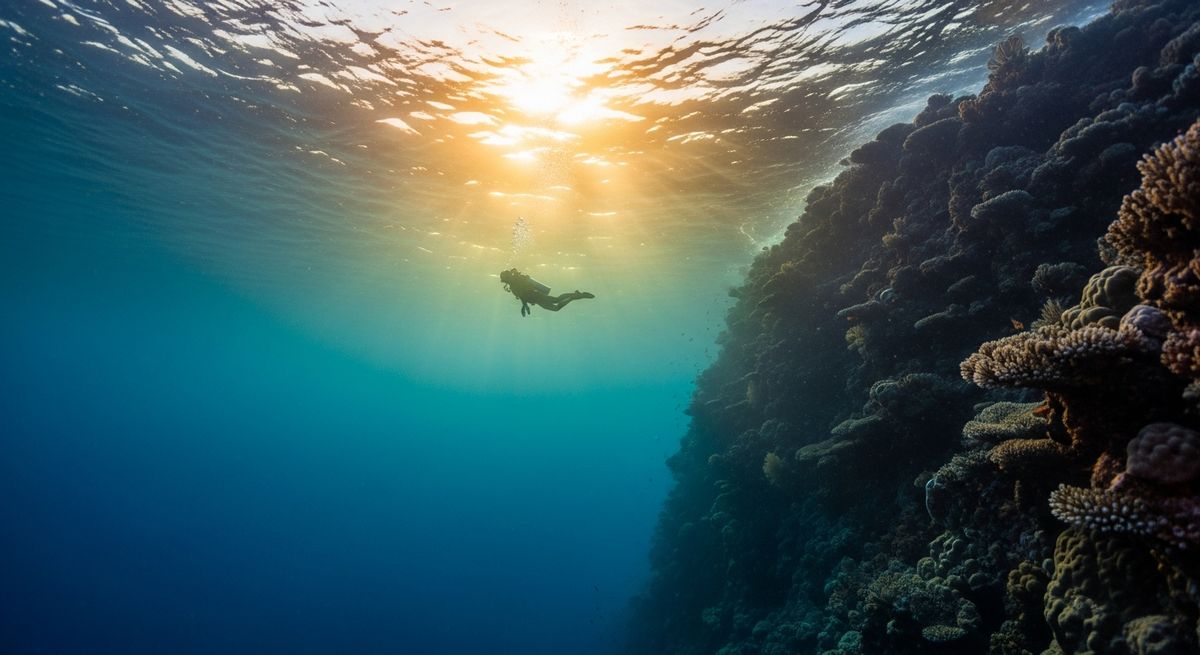
West End Wall, for us, is a classic Roatán dive, one you’ll probably find yourself returning to. It’s got that easy access, just a quick boat ride from the village, but it never feels overdone. What we love most is the sheer drama of the drop-off; it just plunges down, a true vertical face that makes you feel tiny. We always find ourselves scanning the blue here, often spotting tarpon gliding by or, if you’re lucky, an eagle ray or two ghosting past the deeper sections. The wall itself is a riot of colour and texture. Enormous barrel sponges jut out, big enough to sit in, and the sea fans sway gently with the surge. Keep an eye out for those smaller residents – we’ve had great luck spotting tiny yellow basslets tucked into crevices and needlefish hanging just below the surface. The max depth of 22 metres means it’s a comfortable dive for almost everyone, allowing plenty of time to explore the nooks and crannies. Just be aware that the current can pick up at the end of the dive, sometimes turning it into a brisk drift, but nothing too wild. It’s a site that suits anyone looking for a relaxed, visually rich wall dive with a good chance of encountering some larger pelagics too.
Nearest Dive Centres to West End Wall
Dive shops near West End Wall
Infinity Divers Aqua Center
West Bay Divers
Clearwater Adventures
Blue Moon Scuba
Roatan Freediving
Kotos Adventures
Reviews for West End Wall
Conditions
Ocean conditions, forecast and tides for West End Wall
West End Wall Ocean Conditions
Monthly averages for West End Wall, sourced from Open-Meteo marine data + Copernicus Marine (EU) - nearest station: Open-Meteo marine grid (16.27, -86.6) (5km away)
October Averages
Sea Temperature
30°C
86°F · Range: 29–31.6°C
Current Speed
1.41 cm/s
Direction: NW (315°)
Chlorophyll-a
0.052 mg/m³
Very clear (oligotrophic)
Salinity
35.96 PSU
Based on 4 years of monitoring data · Data sources: Open-Meteo marine data + Copernicus Marine (EU)
Plan & book
Ways to dive Roatán, from day trips to liveaboards.
Day trips & courses
via GetYourGuideGuided dives, courses and snorkel trips with instant booking.
Find dive trips in RoatánPlaces to stay
via Booking.comHotels and dive resorts near Roatán.
Search stays in RoatánDive insurance
Most travel insurance excludes or limits scuba. Check what you need before you go.
Dive insurance explainedPartner links: we may earn a commission if you book, at no extra cost to you. How we make money
Where to Stay near West End Wall
Prices from Booking.com. We may earn a commission at no extra cost to you.