Passe de Tikehau - Tuheiava
Why dive here
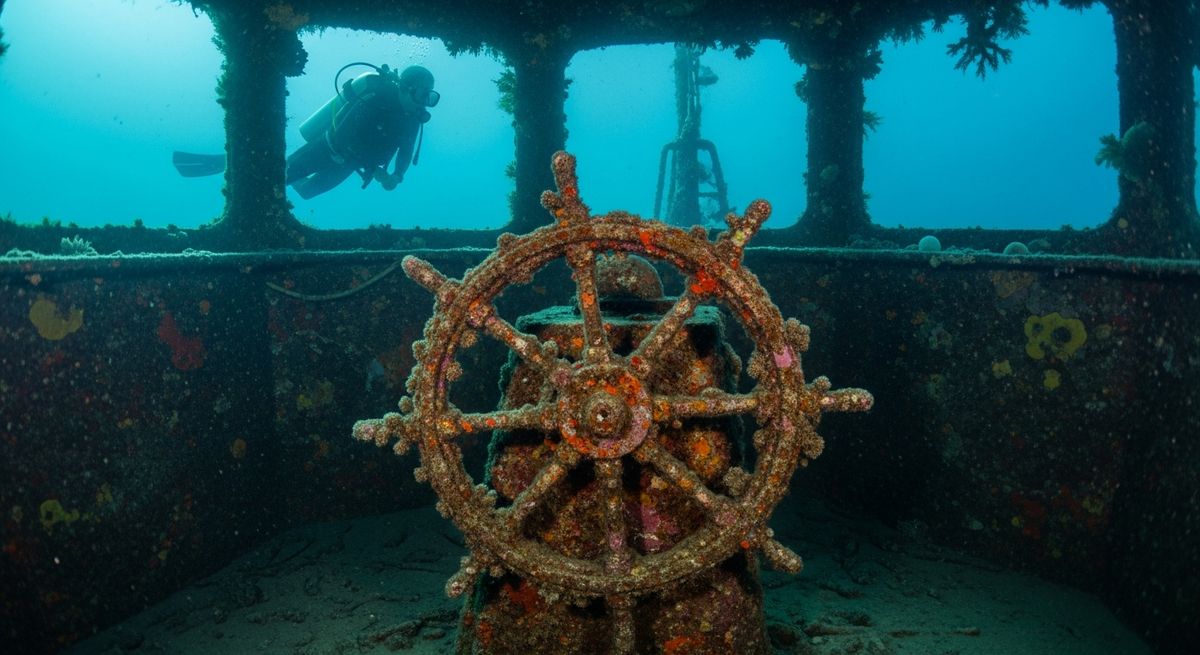
With 146+ marine species recorded in the area - including blacktip reef sharks, dolphins, giant moray eels, octopuses and sperm whales - Passe de Tikehau - Tuheiava offers some of Rangiroa's richest wreck diving. Water ranges 27-29°C, warmest February, March, April.
Passe de Tikehau, or Tuheiava, is Rangiroa’s quieter cousin, and for good reason. We love how Tikehau offers a gentler introduction to pass diving, particularly when the current comes in. It’s a shallow drift, mostly under 10 meters, so you get incredible light bouncing off the sandy bottom, illuminating the schooling fusiliers and triggerfish. You’ll spot giant squirrelfish lurking under ledges and often catch glimpse of the iconic unicornfish gliding by. We’ve seen it busy, but usually, it's a calm, easy drift, perfect for those building confidence in currents or anyone who just wants a relaxed, colourful dive. Keep an eye out for the yellowmouth barracuda schools, they’re dense here. We rate this dive highly for its consistent good visibility and the sheer number of small reef fish, even if the big pelagics are a less frequent show than in some of Rangiroa's other passes.
Safety Notes
Wreck site - avoid penetration without wreck diving certification. Watch for sharp metal and entanglement hazards.
Nearest Dive Centres to Passe de Tikehau - Tuheiava
Dive shops near Passe de Tikehau - Tuheiava
View all dive centres in RangiroaReviews for Passe de Tikehau - Tuheiava
Conditions
Ocean conditions, forecast and tides for Passe de Tikehau - Tuheiava
Passe de Tikehau - Tuheiava Ocean Conditions
Monthly averages for Passe de Tikehau - Tuheiava, sourced from Open-Meteo marine data + Copernicus Marine (EU) - nearest station: Open-Meteo marine grid (-14.98, -147.62) (32km away)
October Averages
Sea Temperature
28°C
82°F · Range: 27.2–28.7°C
Current Speed
11.05 cm/s
Direction: W (264.8°)
Chlorophyll-a
0.062 mg/m³
Very clear (oligotrophic)
Salinity
36.23 PSU
Based on 4 years of monitoring data · Data sources: Open-Meteo marine data + Copernicus Marine (EU)
Plan & book
Ways to dive Rangiroa, from day trips to liveaboards.
Day trips & courses
via GetYourGuideGuided dives, courses and snorkel trips with instant booking.
Find dive trips in RangiroaPlaces to stay
via Booking.comHotels and dive resorts near Rangiroa.
Search stays in RangiroaDive insurance
Most travel insurance excludes or limits scuba. Check what you need before you go.
Dive insurance explainedPartner links: we may earn a commission if you book, at no extra cost to you. How we make money
Where to Stay near Passe de Tikehau - Tuheiava
Prices from Booking.com. We may earn a commission at no extra cost to you.