Pilena Reef
Protected Area
Kia
Why dive here
With 391+ marine species recorded in the area - including barracuda, blacktip reef sharks, grey reef sharks, humpback whales and orcas - Pilena Reef offers some of Iron Bottom Sound's richest reef diving. Water ranges 29-31°C, warmest January, April, December.
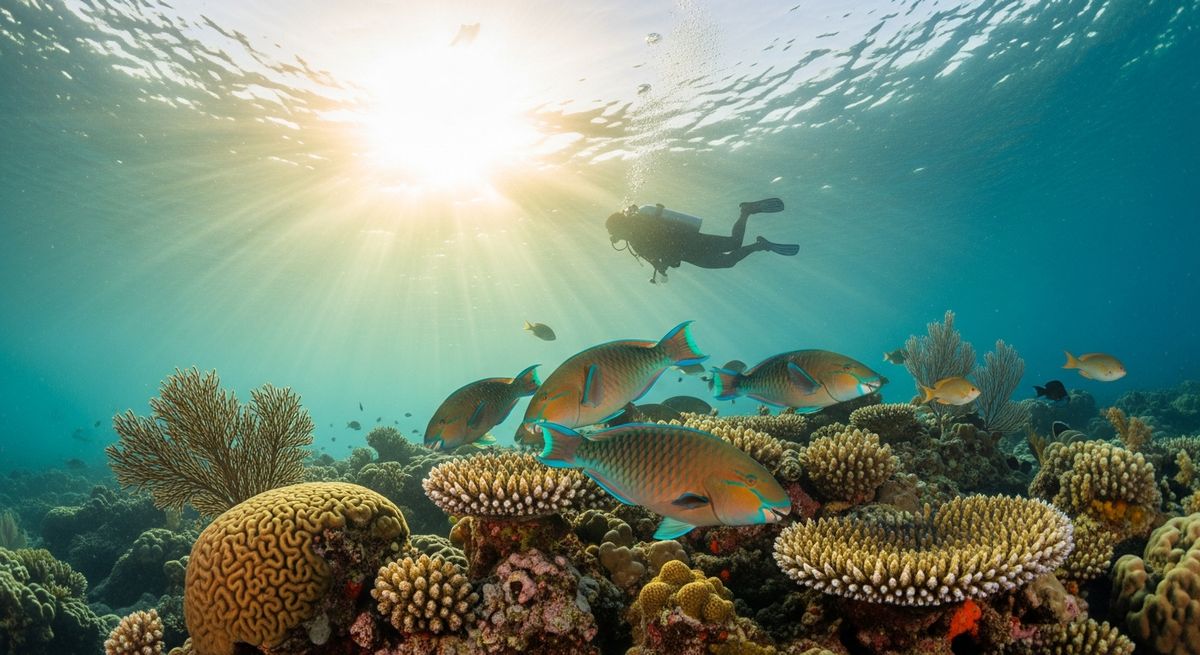
Pilena Reef is a solid dive, about a fifteen-minute boat ride east of Papatura, and we’ve always found it a reliable spot. The reef starts shallow, around four metres, then drops to a maximum of 22 metres. It’s mostly a wall, covered in these big, golden coral structures that really pop. We’ve spotted plenty of nudibranchs along the wall, and there’s a good number of reef fish darting in and out of the corals, especially in the shallower sections. While it can get a bit lumpy if the wind picks up, the site itself usually feels pretty protected below the surface, and currents are generally light. Visibility averages around 15 metres, which is decent for a relaxed explore.
Nearest Dive Centres to Pilena Reef
Dive shops near Pilena Reef
View all dive centres in Iron Bottom SoundReviews for Pilena Reef
Conditions
Ocean conditions, forecast and tides for Pilena Reef
Pilena Reef Ocean Conditions
Monthly averages for Pilena Reef, sourced from Open-Meteo marine data - nearest station: Open-Meteo marine grid (-9.03, 159.16) (58km away)
October Averages
Sea Temperature
30°C
85°F · Range: 28.7–30.5°C
Air Temperature
27°C
80°F
Wind Speed
3.74 m/s
7.3 knots
Atmospheric Pressure
1010.5 hPa
Based on 4 years of monitoring data · Data sources: Open-Meteo marine data
Plan & book
Ways to dive Iron Bottom Sound, from day trips to liveaboards.
Day trips & courses
via GetYourGuideGuided dives, courses and snorkel trips with instant booking.
Find dive trips in Iron Bottom SoundPlaces to stay
via Booking.comHotels and dive resorts near Iron Bottom Sound.
Search stays in Iron Bottom SoundDive insurance
Most travel insurance excludes or limits scuba. Check what you need before you go.
Dive insurance explainedPartner links: we may earn a commission if you book, at no extra cost to you. How we make money
Where to Stay near Pilena Reef
Prices from Booking.com. We may earn a commission at no extra cost to you.