
Diving in Tonga
Why dive here
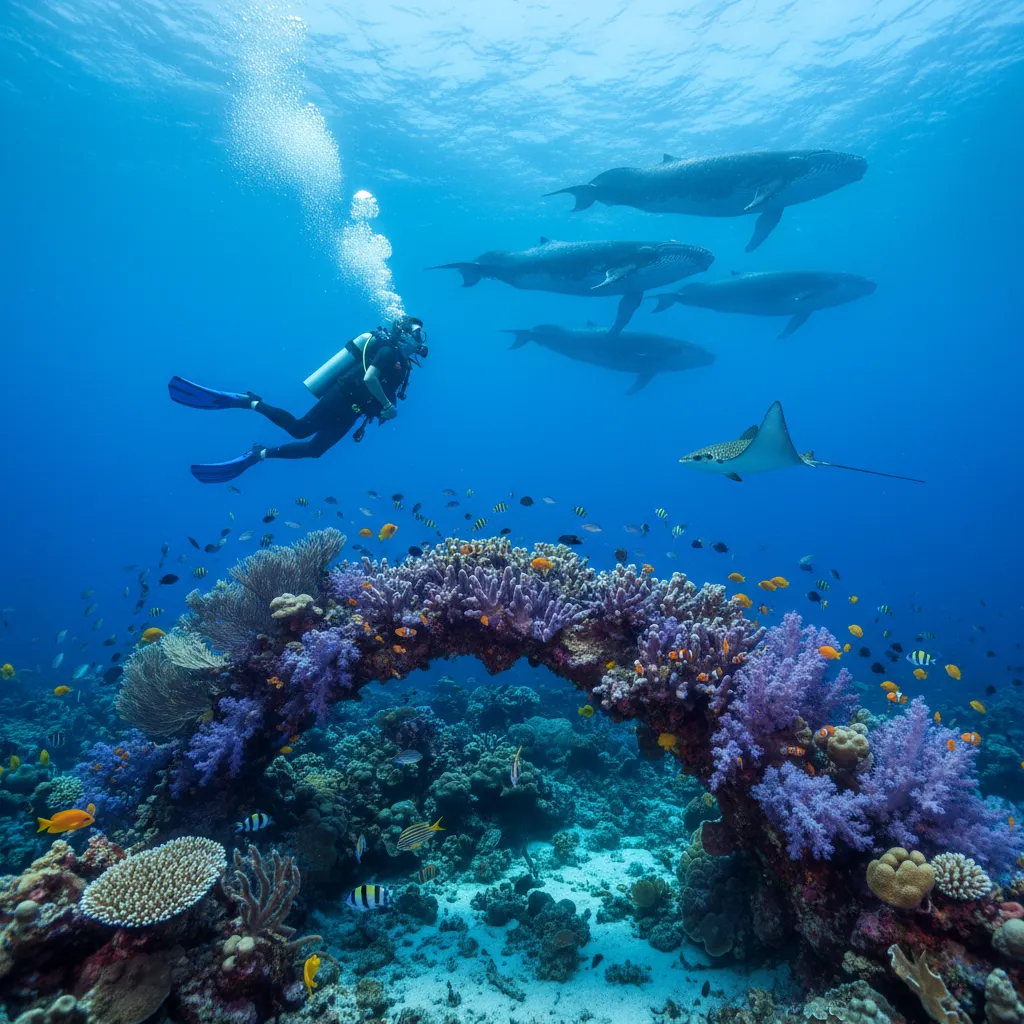
Tonga offers rich diving, with 430+ marine species recorded in its waters - including barracuda, blacktip reef sharks, giant moray eels, humpback whales and sperm whales. Water sits around 28°C.
Tonga’s main draw is pretty obvious: humpback whales. From July to October, these giants migrate to the warm, shallow waters to calve and mate, and swimming alongside them is genuinely humbling. We’d suggest heading to Vava’u for the most consistent encounters, though Ha'apai offers a more remote, tranquil experience away from the crowds. Beyond the whales, the diving here is all about dramatic topography - think intricate caves and sharp drop-offs rather than sprawling reefs. Visibility is usually good, and you'll spot plenty of reef fish like Redfin Butterflyfish and Spangled Emperors, but it’s the sheer thrill of a close-up whale encounter that makes Tonga a truly special destination.
Tonga Dive Regions Map
Tonga Dive Regions
3 diving areas in Tonga
Ha'apai Group
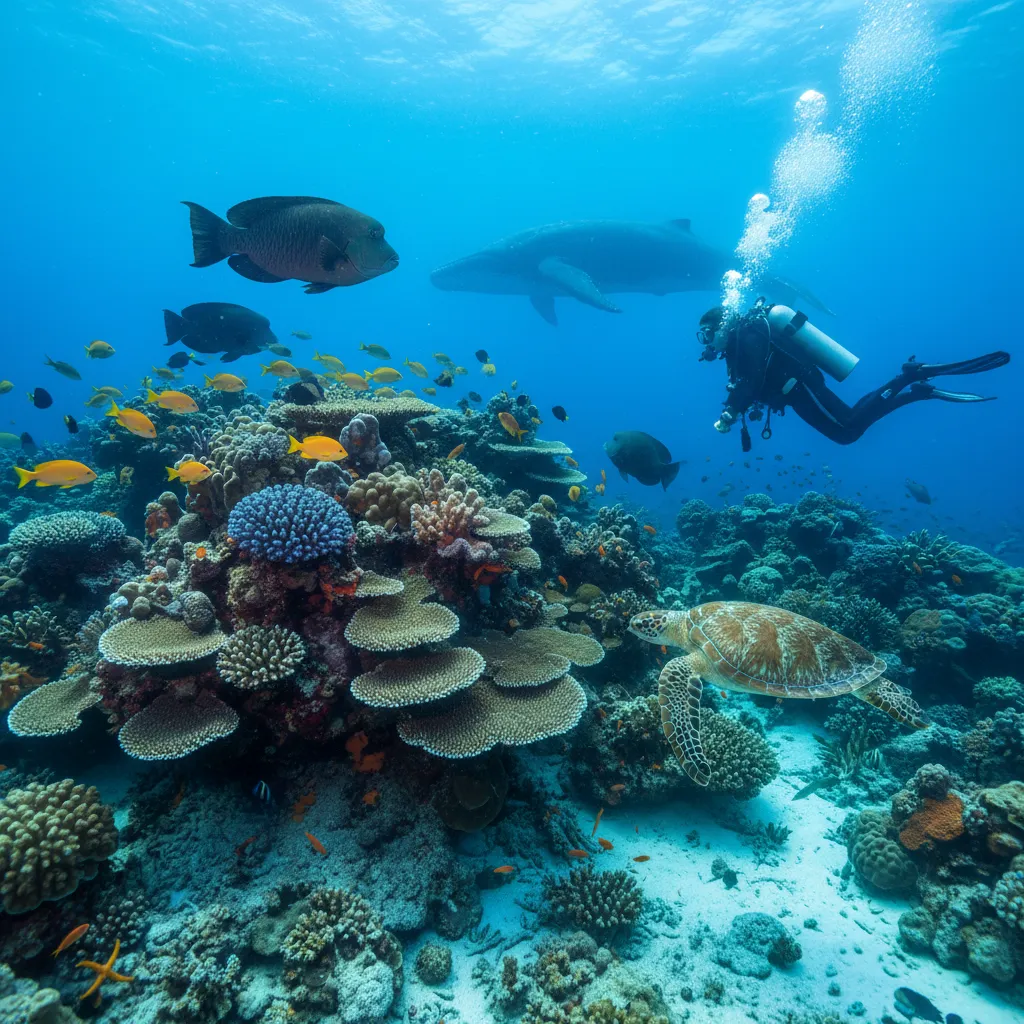
The Ha’apai Group is the Tonga you picture in your head, all deserted islands and slow island time. We love that it feels so remote, yet the diving is surprisingly approachable, especially if you’re a newer diver finding your fins. Here, the diving is mostly gentle drifts along pretty reef slopes, punctuated by the occasional wall or even a small wreck. What really makes Ha'apai shine, though, are the humpback whale encounters from July to October. We’ve found the reefs here aren't as dramatic as Vava'u's sheer drop-offs, but they’re still lovely, with schools of Black Butterflyfish darting through the shallows and the occasional bright flash of a Raggedtooth Parrotfish. Keep an eye out for the quieter residents too, like the Biocellate wrasse meticulously tending its patch. Visibility tends to be very good, giving you plenty of time to soak in the colours. Our favourite time to dive is early morning; the light is softer, and the reefs feel more alive before the day warms up too much. It’s not a place for big pelagic action generally, but the sheer joy of seeing whales surface nearby, or even hearing their song underwater, is what draws us back every time. Just be prepared for a slower pace, both above and below the surface.
Tongatapu
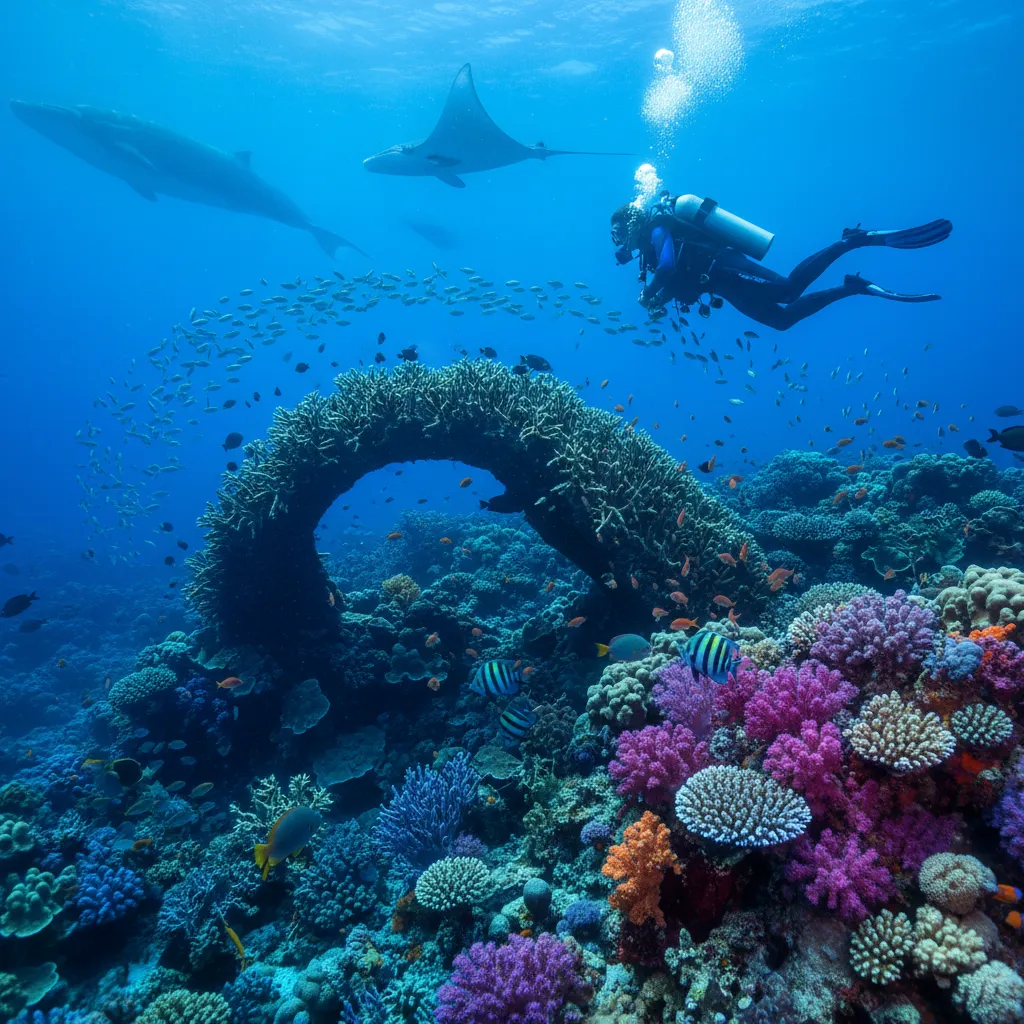
Tongatapu. For many, it’s the gateway to Tonga, and for us, it holds a special place, mostly because it’s where you can swim with humpbacks. Forget the boats, the cages; here, you’re just in the water with them, guided by some seriously experienced local operators. We love the sheer scale of the experience, that deep, resonant vocalisation you feel more than hear. Beyond the whales, which run from July to October, the reef diving around Tongatapu is solid, if not spectacular. We’re talking gentle slopes and healthy patches of staghorn coral, home to some interesting characters. Keep an eye out for the more unusual finds like the Oriental flying gurnard fanning its incredible fins, or the tiny, delicate blenny tucked into a crevice. The wreck site here offers a bit of contrast, with schools of manini swirling around the structure. Visibility generally hovers around 20 metres, offering a good clear view of whatever fish decide to cruise by. Our tip: go early for the best light on the reef.
Vava'u Group
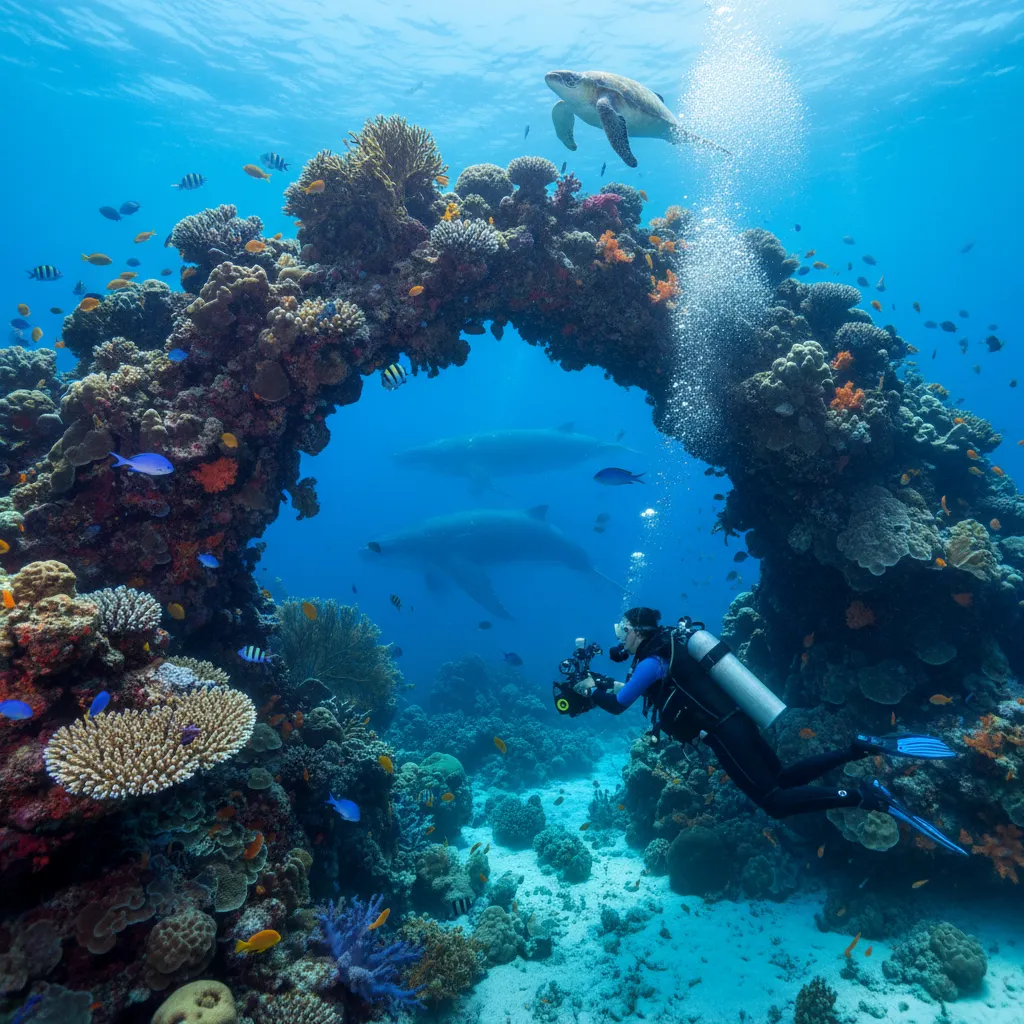
Vava'u diving means caves and humpbacks. We love this northern Tongan group for its unique blend of cavern exploration and close encounters with the ocean's gentle giants. From July to October, the humpbacks migrate here to calve and breed, and it’s a truly incredible experience to hear their songs vibrating through the water as you descend. Even outside whale season, the diving is pretty special. Our favourite dive sites tend to be the caves; think 'Swallows Cave' or 'Mariner's Cave'. You’re not just looking at a wall of coral here; you're often swimming through tunnels and into vast, sun-dappled caverns, where the light plays off the walls and the sound of your own breath is amplified. The visibility often holds at a comfortable 20-25m, making those shafts of light particularly dramatic. Keep an eye out for the resident schools of Double-bar Goatfish and Sleek Unicornfish that patrol the cave entrances, and if you’re lucky, a Gardiner's Headshield Slug might be inching along a rock face. Currents are generally mild around the islands, making it a great spot for those getting comfortable with drift dives, though some outer reefs can pick up a bit of a push. We’d suggest going early in the morning to beat any potential small boat traffic at the more popular cave sites.
Ocean Wildlife in Tonga
430 species recorded in Tonga
Tonga Visa Requirements
Check if you need a visa to dive in Tonga
Plan & book
Ways to dive Tonga, from day trips to liveaboards.
Day trips & courses
via GetYourGuideGuided dives, courses and snorkel trips with instant booking.
Find dive trips in TongaPlaces to stay
via Booking.comHotels and dive resorts near Tonga.
Search stays in TongaDive insurance
Most travel insurance excludes or limits scuba. Check what you need before you go.
Dive insurance explainedPartner links: we may earn a commission if you book, at no extra cost to you. How we make money