
Diving in India
Why dive here
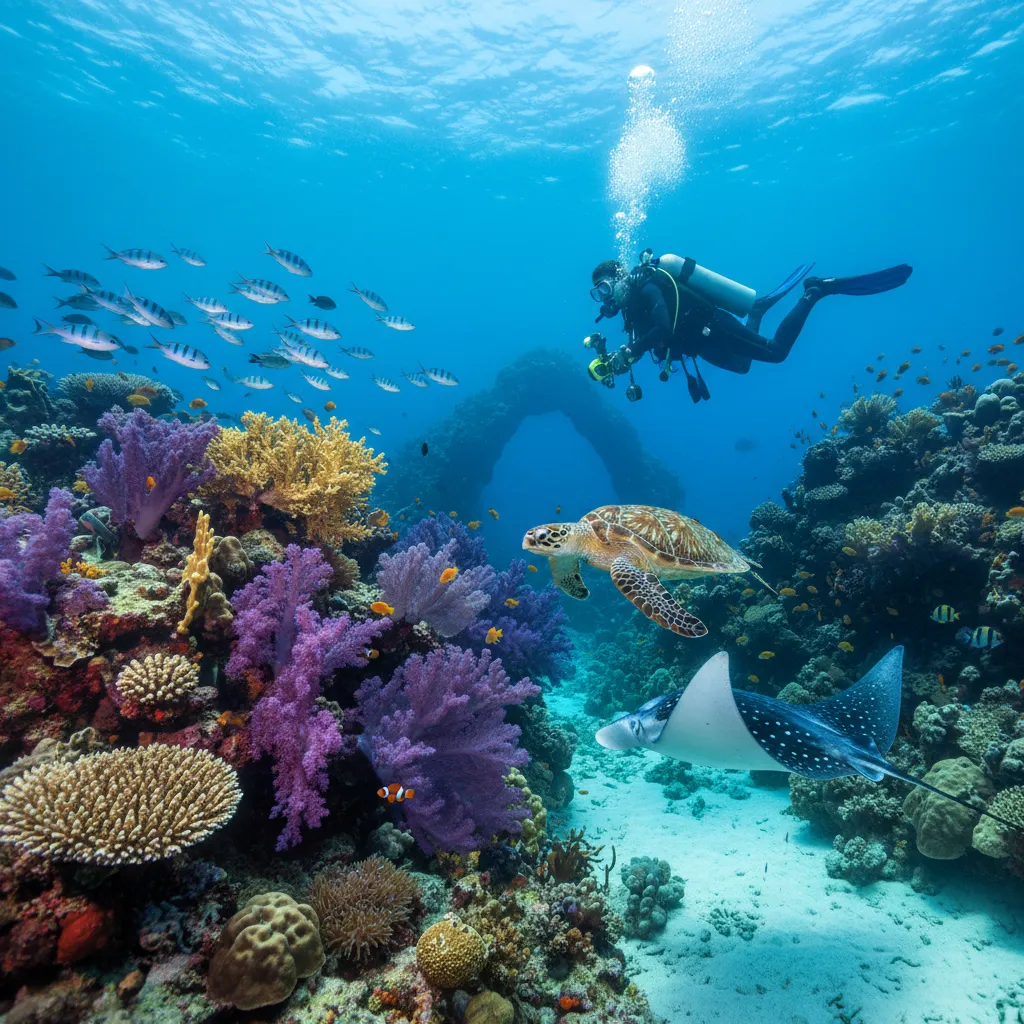
India offers rich diving, with 443+ marine species recorded in its waters - including barracuda, blacktip reef sharks, dugongs, eagle rays and giant moray eels. Water ranges 28-31°C, warmest April, May, June.
India might not be the first place that springs to mind for a dive trip, but we think that’s part of its charm. The real action, and what truly makes India special for divers, lies in its island territories: the Andamans and Lakshadweep. The Andaman Sea, in particular, delivers that raw, adventurous feeling with its volcanic landscapes, deep drops, and a genuine chance to explore sites few others have seen. We've encountered manta rays cruising at Dixon's Pinnacle and the sheer abundance of schooling fish is something else entirely. Beyond the islands, emerging spots off the Goa and Karnataka coasts are worth a look if you're already in the area, often revealing macro life and interesting wrecks. Aim for October to May for the calmest seas and best visibility across the board.
India Dive Regions Map
India Dive Regions
4 diving areas in India
Andaman Islands
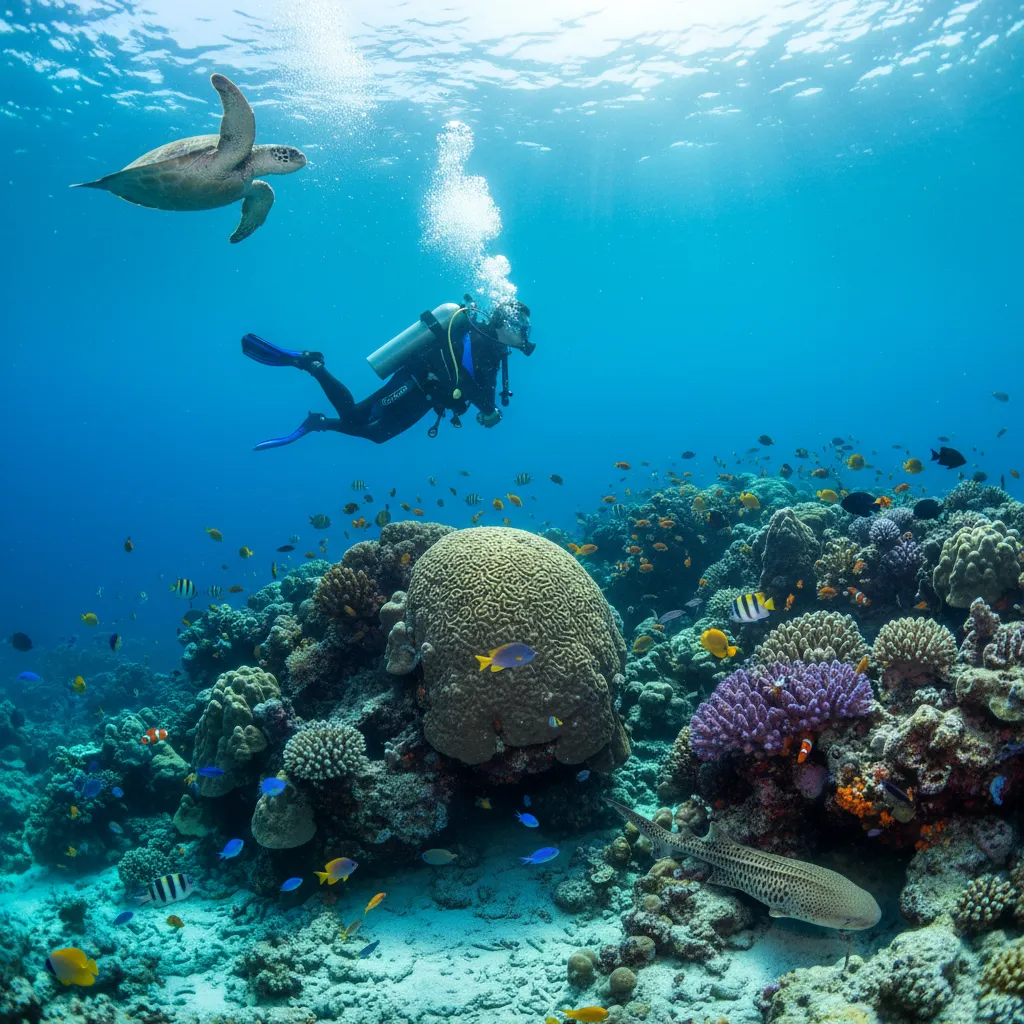
The Andaman Islands, way out in the Bay of Bengal, feel genuinely remote. We love the feeling of being somewhere so far off the beaten path, and the diving really delivers on that promise. Around Havelock and Neil Islands, you'll find healthy reefs, still vibrant and full of fish. We've often seen schools of fusiliers so thick they block the light, a real sensory overload. Keep an eye out for the big pelagics too - manta rays cruise through the deeper sections, and we've had some incredible encounters with dugongs, just placidly grazing. Our favourite spots often involve a bit of current, particularly around the pinnacles, where you’re practically guaranteed to see giant trevally hunting. The drift dives here are exhilarating, pulling you past walls decorated with colourful sponges and soft corals. For something a bit different, the chance of spotting a chambered nautilus is a huge draw, especially on night dives. While the Andaman Sea can kick up a bit, particularly during monsoon season, the visibility during the drier months is generally excellent, often reaching 20-30 metres, giving you plenty of time to take it all in. Beginner and intermediate divers will find plenty to explore here.
Goa & Karnataka Coast
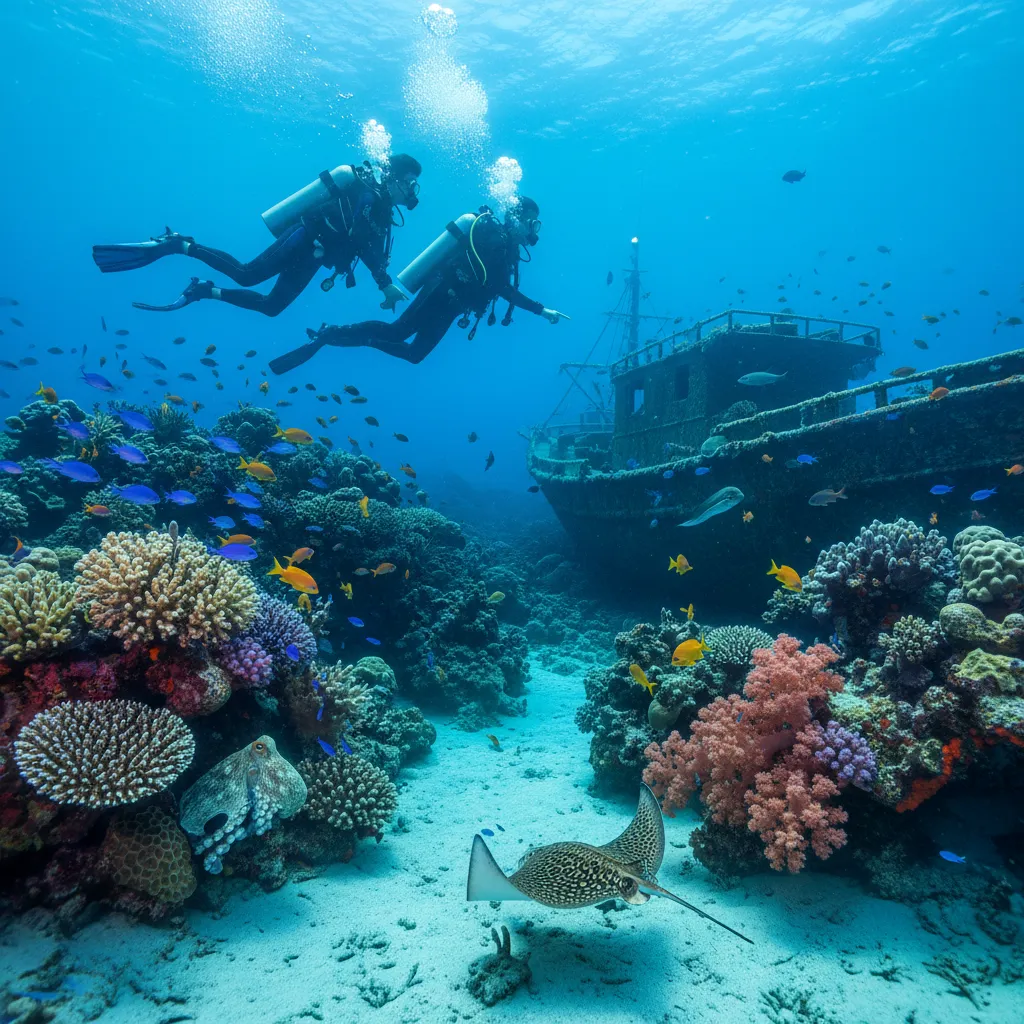
Western India's most accessible diving, with seasonal visibility from November to May and interesting wreck sites from the colonial era.
Lakshadweep
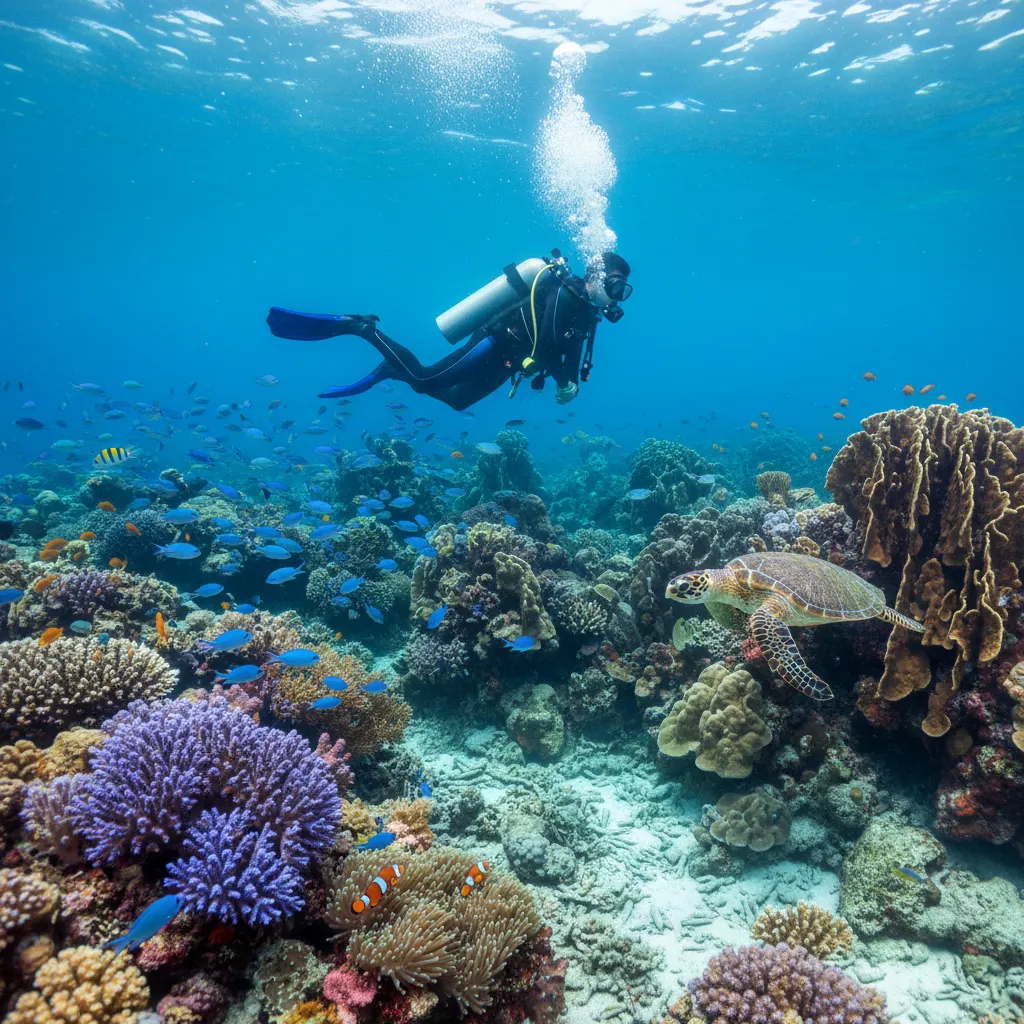
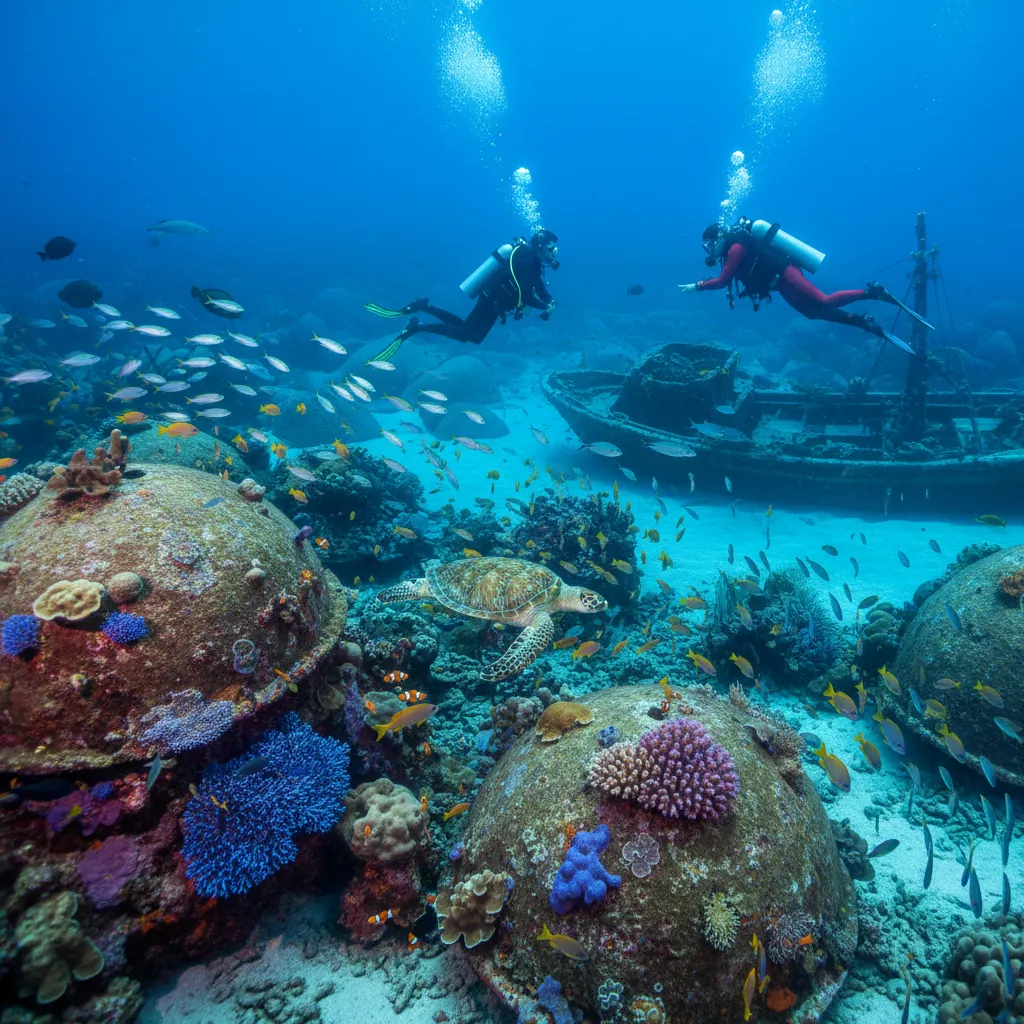
Lakshadweep. Just the name sounds like somewhere you have to work to get to, and you do. It’s an archipelago of coral atolls, a bit of a journey from the mainland, which keeps the crowds down, and that’s a huge part of its appeal. We’ve always found the reefs here incredibly healthy, less touched than many other Indian Ocean spots. You’ll spend most of your time drifting along walls covered in Montipora and corrugated corals, keeping an eye out for patrolling blacktip reef sharks. What we really love are the endless schools of big long-nosed butterflyfish that seem to follow you, and the way the sapphire demoiselles glimmer against the deeper blue. We’ve seen more white dolphins here than anywhere else in India, a real treat. Visibility is usually superb, letting you pick out the tiny mimic blennies darting into their holes or a camouflaged sharptooth seabass blending into the reef. For a bit of excitement, look for narrow-barred Spanish mackerel zipping past. The calm lagoon dives are perfect for beginners, while the outer reefs offer gentle drifts for those with more experience. Our top tip? Go during the drier months for the calmest seas and best chances of spotting nesting turtles on shore.
Pondicherry & Tamil Nadu
Emerging dive scene on India's southeast coast, with artificial reef projects and surprisingly rich marine life near temple towns.
Ocean Wildlife in India
443 species recorded in India
India Visa Requirements
Check if you need a visa to dive in India
Plan & book
Ways to dive India, from day trips to liveaboards.
Day trips & courses
via GetYourGuideGuided dives, courses and snorkel trips with instant booking.
Find dive trips in IndiaPlaces to stay
via Booking.comHotels and dive resorts near India.
Search stays in IndiaDive insurance
Most travel insurance excludes or limits scuba. Check what you need before you go.
Dive insurance explainedPartner links: we may earn a commission if you book, at no extra cost to you. How we make money