NAIROBI
Protected Area
Malindi
Why dive here
With 225+ marine species recorded in the area - including barracuda, blue-spotted stingrays, great white sharks, humpback whales and octopuses - NAIROBI offers some of Watamu & Malindi's richest wreck diving. Water ranges 26-30°C, warmest March, April, December.
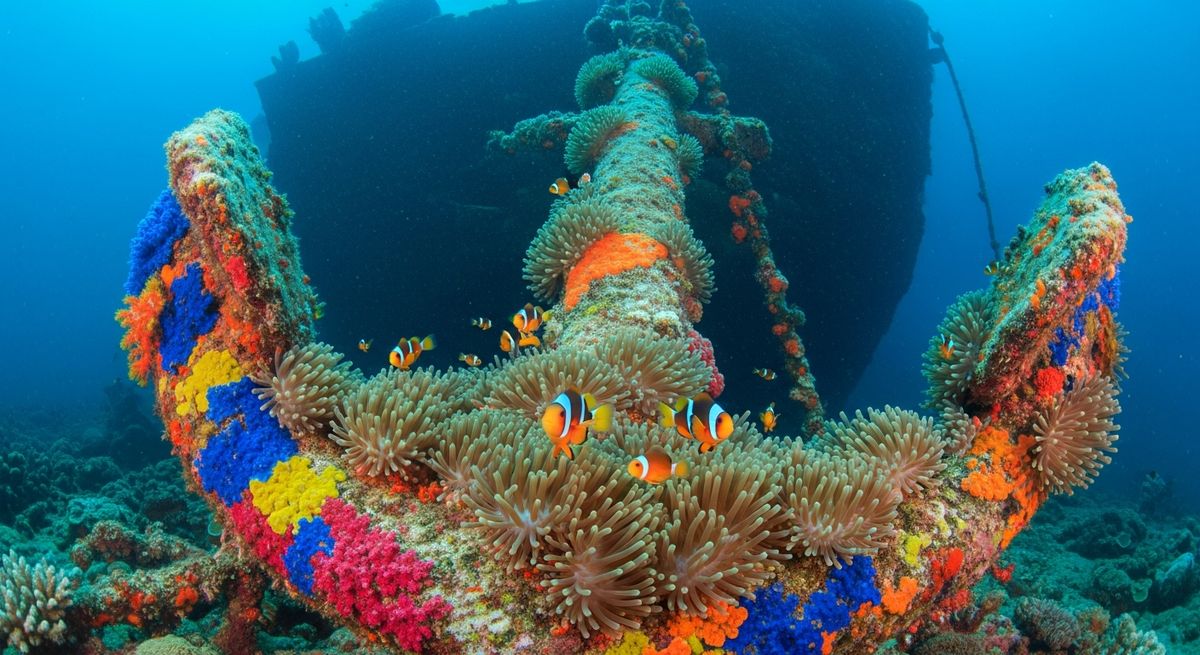
Nairobi. At just a metre deep, this isn't about pushing your depth limits. It’s about history you can practically touch. The old steam trawler, a Castle-class minesweeper from WW1, went down in 1923, and what’s left of her is now a tangled, sun-drenched playground just beneath the surface. We love finning slowly over the skeletal remains of the hull, spotting the way the light plays through the gaps where the deck once was. It’s shallow enough for snorkelers, but divers get a real appreciation for the sheer size and the way the coral has started to claim the metal. You’ll see small reef fish darting in and out of every nook – damselfish, juvenile snappers, and the occasional moray eel peeking from a dark corner. It’s perfect for long, relaxed dives, especially if you’re into underwater photography. The ambient light is incredible. Go at high tide for the best visibility; the shallower water means stirred-up sediment can cloud things quickly after a rough patch.
Typical NAIROBI Dive Profile
Illustrative profile based on site depth and type. Actual dive profiles vary - always follow your dive computer and training.
Safety Notes
Wreck site - avoid penetration without wreck diving certification. Watch for sharp metal and entanglement hazards.
Nearest Dive Centres to NAIROBI
Dive shops near NAIROBI
Blue Fin Diving
Aqua Ventures
Turtle Dive Center
Extra Divers Temple Point, Kenia
Reviews for NAIROBI
Conditions
Ocean conditions, forecast and tides for NAIROBI
NAIROBI Ocean Conditions
Monthly averages for NAIROBI, sourced from Open-Meteo marine data - nearest station: Open-Meteo marine grid (-3.21, 40.13) (4km away)
October Averages
Sea Temperature
28°C
82°F · Range: 26.5–29°C
Air Temperature
26°C
79°F
Wind Speed
5.74 m/s
11.2 knots
Atmospheric Pressure
1013.3 hPa
Based on 4 years of monitoring data · Data sources: Open-Meteo marine data
Plan & book
Ways to dive Watamu & Malindi, from day trips to liveaboards.
Day trips & courses
via GetYourGuideGuided dives, courses and snorkel trips with instant booking.
Find dive trips in Watamu & MalindiPlaces to stay
via Booking.comHotels and dive resorts near Watamu & Malindi.
Search stays in Watamu & MalindiDive insurance
Most travel insurance excludes or limits scuba. Check what you need before you go.
Dive insurance explainedPartner links: we may earn a commission if you book, at no extra cost to you. How we make money
Where to Stay near NAIROBI
Prices from Booking.com. We may earn a commission at no extra cost to you.