Tri Mix
Protected Area
K.Huraa Kan'doo Faa Sarahahdhu
Why dive here
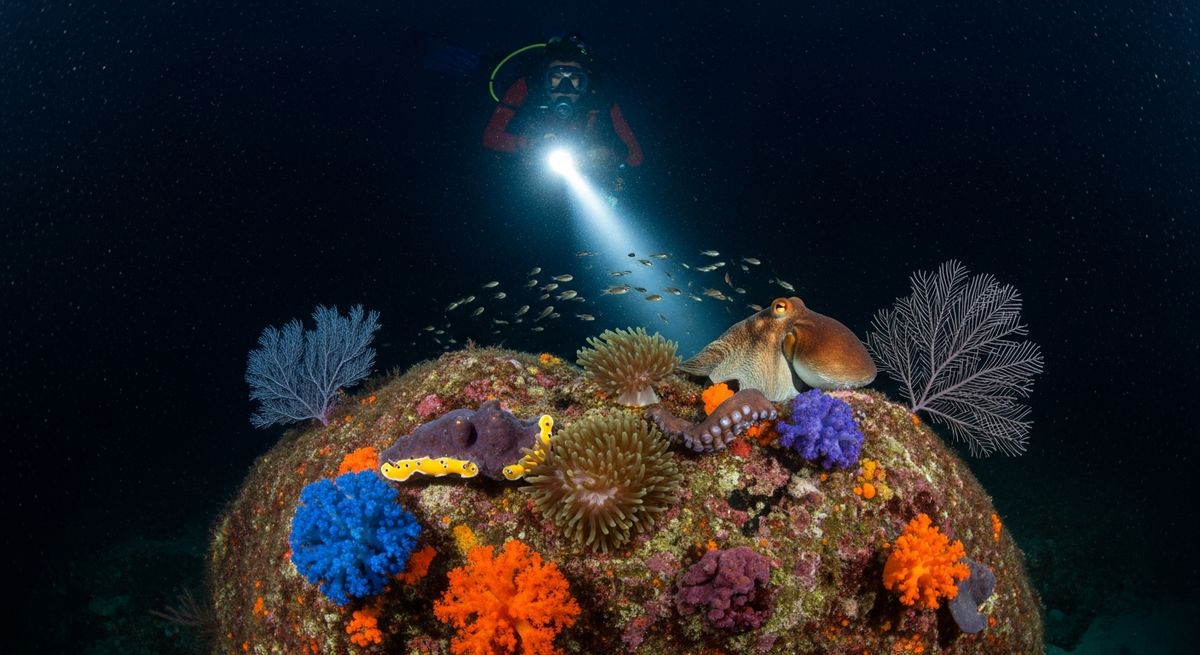
With 95+ marine species recorded in the area - including blue sharks, sea turtles, spinner dolphins and whale sharks - Tri Mix offers some of North Malé Atoll's richest channel diving. Water ranges 29-31°C, warmest April, May, July.
Tri Mix in North Malé Atoll is a solid choice for newer divers. The reef tops out at 17m, making it a comfortable depth for extended bottom times. You'll find a good spread of reef fish going about their day. It’s a straightforward dive, nice for getting comfortable or just enjoying a relaxed float.
Typical Tri Mix Dive Profile
Illustrative profile based on site depth and type. Actual dive profiles vary - always follow your dive computer and training.
Safety Notes
Channel dive - currents can be strong and change direction. Dive at slack tide when possible.
Always perform a 3-minute safety stop at 5m before surfacing.
Nearest Dive Centres to Tri Mix
Dive shops near Tri Mix
DivePoint HudhuranFushi
Euro-Divers Club Med Kani
Euro-Divers Club Med Finolhu Villas
Scuba Divine
Sea Star Diving Center
Amphibuzz Dive
Reviews for Tri Mix
Conditions
Ocean conditions, forecast and tides for Tri Mix
Tri Mix Ocean Conditions
Monthly averages for Tri Mix, sourced from Open-Meteo marine data + Copernicus Marine (EU) - nearest station: Open-Meteo marine grid (4.43, 73.52) (4km away)
October Averages
Sea Temperature
29°C
85°F · Range: 27.9–31.2°C
Current Speed
9 cm/s
Direction: E (90°)
Chlorophyll-a
0.226 mg/m³
Clear water
Salinity
35.26 PSU
Based on 4 years of monitoring data · Data sources: Open-Meteo marine data + Copernicus Marine (EU)
Plan & book
Ways to dive North Malé Atoll, from day trips to liveaboards.
Day trips & courses
via GetYourGuideGuided dives, courses and snorkel trips with instant booking.
Find dive trips in North Malé AtollPlaces to stay
via Booking.comHotels and dive resorts near North Malé Atoll.
Search stays in North Malé AtollDive insurance
Most travel insurance excludes or limits scuba. Check what you need before you go.
Dive insurance explainedPartner links: we may earn a commission if you book, at no extra cost to you. How we make money
Where to Stay near Tri Mix
Prices from Booking.com. We may earn a commission at no extra cost to you.