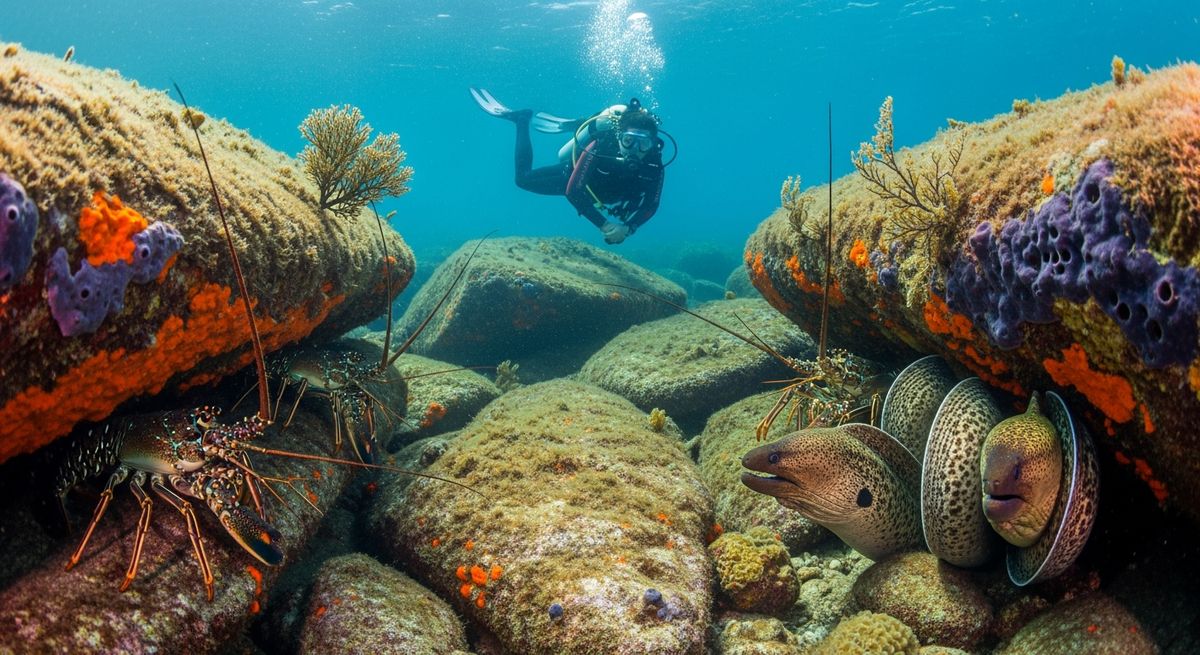
Hulls Rock
Why dive here
With 309+ marine species recorded in the area - including barracuda, blue-spotted stingrays, oceanic whitetip sharks, sea turtles and sperm whales - Hulls Rock offers some of Quirimbas Archipelago's richest diving. Water ranges 26-30°C, warmest February, March, December.
Hulls Rock offers a relaxed dive, ideal for beginners or those getting back in the water. We usually find smaller reef fish darting around the bommies and the occasional juvenile snapper. It's not a site for big pelagics or dramatic topography, but it’s a gentle introduction to the Quirimbas reefs. Think of it as a nice warm-up dive.
Nearest Dive Centres to Hulls Rock
Dive shops near Hulls Rock
View all dive centres in Quirimbas ArchipelagoReviews for Hulls Rock
Conditions
Ocean conditions, forecast and tides for Hulls Rock
Hulls Rock Ocean Conditions
Monthly averages for Hulls Rock, sourced from Open-Meteo marine data - nearest station: Open-Meteo marine grid (-11.02, 40.68) (43km away)
October Averages
Sea Temperature
28°C
82°F · Range: 26.1–28.9°C
Air Temperature
26°C
78°F
Wind Speed
7.15 m/s
13.9 knots
Atmospheric Pressure
1014.5 hPa
Based on 4 years of monitoring data · Data sources: Open-Meteo marine data
Plan & book
Ways to dive Quirimbas Archipelago, from day trips to liveaboards.
Day trips & courses
via GetYourGuideGuided dives, courses and snorkel trips with instant booking.
Find dive trips in Quirimbas ArchipelagoPlaces to stay
via Booking.comHotels and dive resorts near Quirimbas Archipelago.
Search stays in Quirimbas ArchipelagoDive insurance
Most travel insurance excludes or limits scuba. Check what you need before you go.
Dive insurance explainedPartner links: we may earn a commission if you book, at no extra cost to you. How we make money
Where to Stay near Hulls Rock
Prices from Booking.com. We may earn a commission at no extra cost to you.