Cap Matoopa
Protected Area
Baie Ternay Marine National Park
Why dive here
With 183+ marine species recorded in the area - including barracuda, dolphins, sea turtles, sperm whales and lionfish - Cap Matoopa offers some of Inner Islands's richest reef diving. Water ranges 27-30°C, warmest March, April, May.
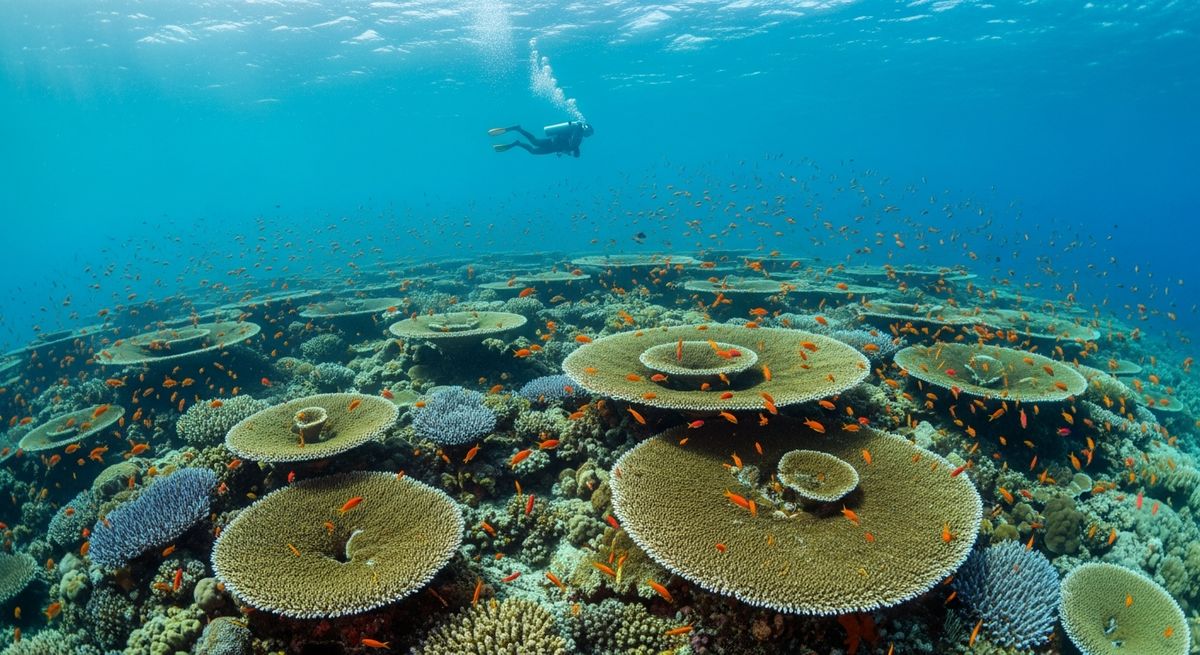
Cap Matoopa sits roughly twenty minutes from Beau Vallon, a classic granite rock site that maxes out around 22 metres. We love dropping in here for the sheer variety of smaller stuff, especially when the current is mild. The visibility usually hovers around 15 metres, which is decent enough to pick out the intricate colours of the Exquisite wrasse darting between the staghorn coral. Look closely and you’ll find Leopard blennies and Bridled gobies tucked away in the crevices. We’ve seen reef sharks cruise by and the occasional eagle ray glide past, but it’s the smaller details that really make this spot. Our favourite trick is to take it slow and hunt for the Bennett’s pufferfish, they’re usually easy to spot if you’re patient. The boat usually picks you up wherever you surface, which is a nice touch, especially if you’ve been battling a stronger current. This site is a great choice for divers who enjoy a detailed exploration, rather than just big pelagic sightings.
Nearest Dive Centres to Cap Matoopa
Dive shops near Cap Matoopa
GVI Seychelles
UDive Centre Mahe
Dive Seychelles Underwater Centre
Blue Sea Divers
Ocean Dream Divers
Big Blue Divers
Reviews for Cap Matoopa
Conditions
Ocean conditions, forecast and tides for Cap Matoopa
Cap Matoopa Ocean Conditions
Monthly averages for Cap Matoopa, sourced from Open-Meteo marine data + Copernicus Marine (EU) - nearest station: Open-Meteo marine grid (-4.5, 55.52) (2km away)
October Averages
Sea Temperature
28°C
82°F · Range: 26.1–30.1°C
Current Speed
7.28 cm/s
Direction: W (285.9°)
Chlorophyll-a
0.213 mg/m³
Clear water
Salinity
35.24 PSU
Based on 4 years of monitoring data · Data sources: Open-Meteo marine data + Copernicus Marine (EU)
Plan & book
Ways to dive Inner Islands, from day trips to liveaboards.
Day trips & courses
via GetYourGuideGuided dives, courses and snorkel trips with instant booking.
Find dive trips in Inner IslandsPlaces to stay
via Booking.comHotels and dive resorts near Inner Islands.
Search stays in Inner IslandsDive insurance
Most travel insurance excludes or limits scuba. Check what you need before you go.
Dive insurance explainedPartner links: we may earn a commission if you book, at no extra cost to you. How we make money
Where to Stay near Cap Matoopa
Prices from Booking.com. We may earn a commission at no extra cost to you.