Channel Rock
Protected Area
La Digue Shell Reserve
Why dive here
With 183+ marine species recorded in the area - including barracuda, dolphins, sea turtles, sperm whales and lionfish - Channel Rock offers some of Inner Islands's richest drift diving. Water ranges 27-30°C, warmest March, April, May.
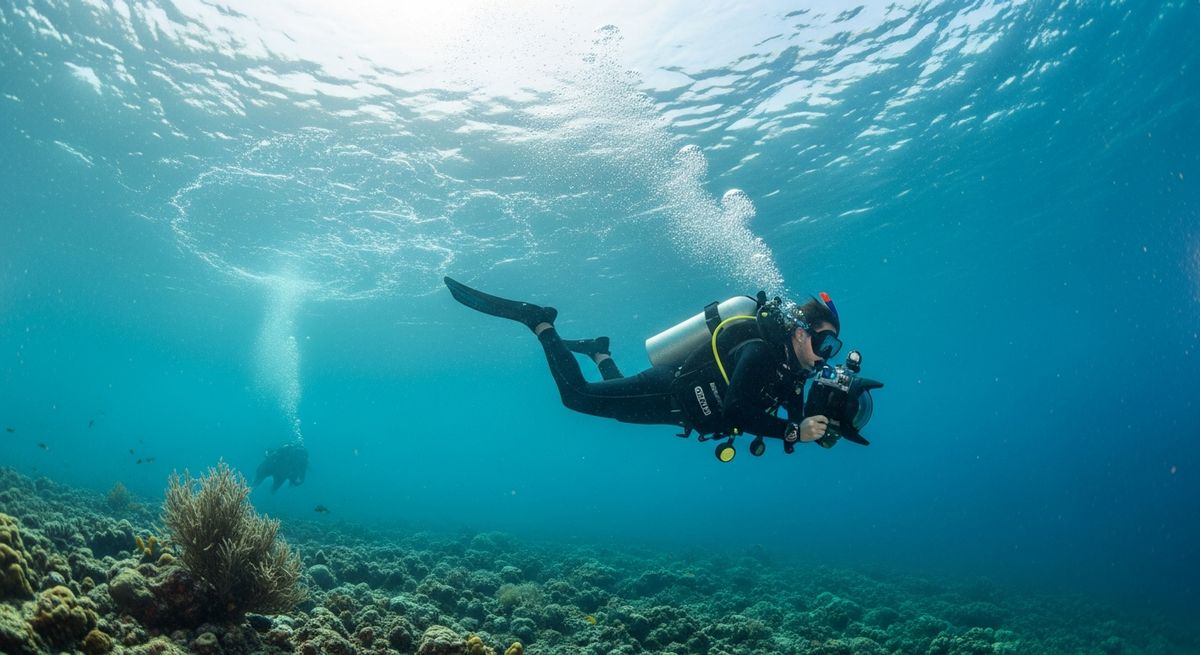
Channel Rock is one of those places you motor out to and wonder what all the fuss is about, just a bit of ripple on the surface. But drop in, and it’s a revelation. This granite pinnacle, sitting between Praslin and La Digue, is pure Seychelles. We love the way the light filters down through the water, illuminating the golden encrusting sponges and those striking orange Tubastrea corals clinging to the rock face. Forget sprawling reefs here. This site is all about the fish life that congregates around the rock. The banded thicklips are a constant, chunky presence, and we’ve spotted scarlet wrasse darting between crevices. Keep an eye out for loggerhead turtles cruising past; they often use the rock as a navigation point. For us, the highlight is often those smaller, more intricate residents – the high hat triplefins perched on the rock, or the inquisitive spotted hawkfish. It’s a site that rewards a slow, observant dive. Dive it in the morning for the best light, and if there’s a little current, just drift with it around the pinnacle. Channel Rock really shines for divers who appreciate the subtle drama of a well-placed pinnacle. It’s a vibrant, fish-dense dive, perfect for photographers focusing on macro and medium-sized reef fish.
Safety Notes
Drift dive - carry a surface marker buoy (SMB) and stay with your group. Brief the current direction before entry.
Nearest Dive Centres to Channel Rock
Dive shops near Channel Rock
Azurro Pro Dive
Plongee Sous Marine
Trek Divers
Hawksbill Dive Centre
Octopus Diving Centre
Whitetip Divers
Reviews for Channel Rock
Conditions
Ocean conditions, forecast and tides for Channel Rock
Channel Rock Ocean Conditions
Monthly averages for Channel Rock, sourced from Open-Meteo marine data + Copernicus Marine (EU) - nearest station: Open-Meteo marine grid (-4.5, 55.52) (2km away)
October Averages
Sea Temperature
28°C
82°F · Range: 26.1–30.1°C
Current Speed
7.28 cm/s
Direction: W (285.9°)
Chlorophyll-a
0.213 mg/m³
Clear water
Salinity
35.24 PSU
Based on 4 years of monitoring data · Data sources: Open-Meteo marine data + Copernicus Marine (EU)
Plan & book
Ways to dive Inner Islands, from day trips to liveaboards.
Day trips & courses
via GetYourGuideGuided dives, courses and snorkel trips with instant booking.
Find dive trips in Inner IslandsPlaces to stay
via Booking.comHotels and dive resorts near Inner Islands.
Search stays in Inner IslandsDive insurance
Most travel insurance excludes or limits scuba. Check what you need before you go.
Dive insurance explainedPartner links: we may earn a commission if you book, at no extra cost to you. How we make money
Where to Stay near Channel Rock
Prices from Booking.com. We may earn a commission at no extra cost to you.