Turtle Rock
Protected Area
Silhouette Marine National Park
Why dive here
With 183+ marine species recorded in the area - including barracuda, dolphins, sea turtles, sperm whales and lionfish - Turtle Rock offers some of Inner Islands's richest reef diving. Water ranges 27-30°C, warmest March, April, May.
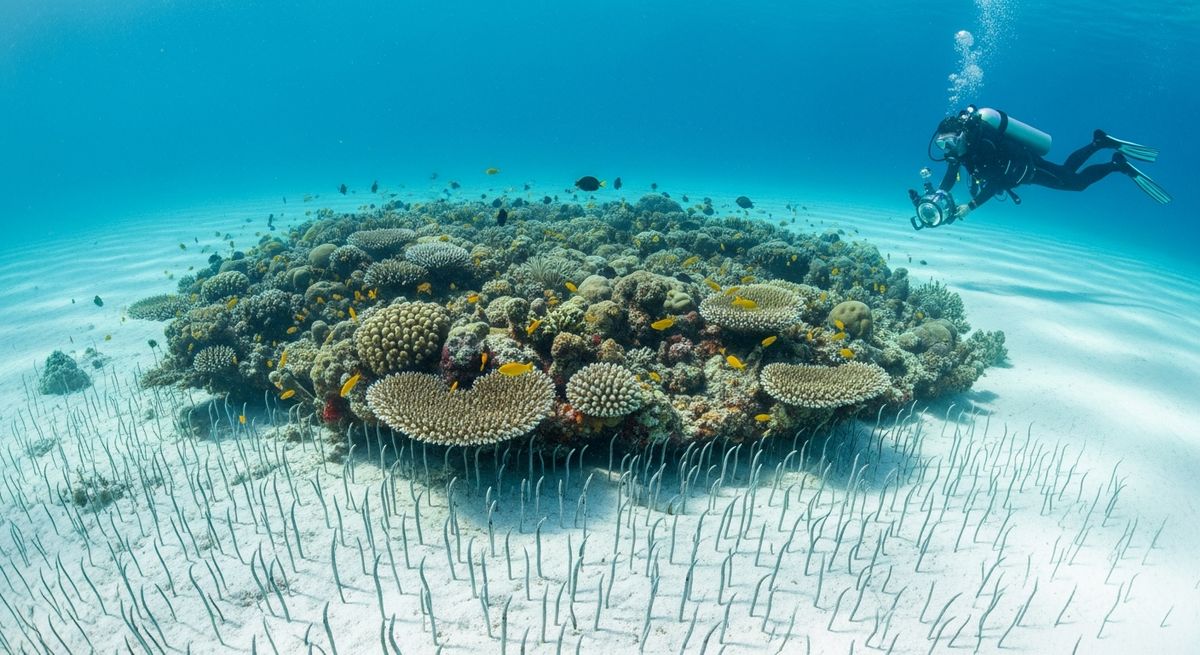
Turtle Rock is one of those sites we always make time for, even if it’s just for a quick 45 minutes. Forget the deep stuff; this is a shallow, relaxed potter around granite boulders and rocky outcrops, maxing out at about 16m. We love the feeling of the gentle swell pushing us slightly as we navigate through the swim-throughs formed by the rock formations. Visibility generally sits around 16 metres, which is fine for exploring the nooks and crannies. Look closely and you’ll find plenty – we’ve spotted tiny Zebra Eviotas darting about, and the Banded Blennies are always a treat, peeking out from their little holes. And yes, the name isn't just for show. Your chances of bumping into a green or hawksbill turtle here are genuinely high. Our local guides seem to have an uncanny knack for spotting them snoozing under ledges or munching on algae. It’s a great site for newer divers or those who just want a chill dive without worrying about tricky currents.
Nearest Dive Centres to Turtle Rock
Dive shops near Turtle Rock
Labriz Dive Center
North Island Company Ltd
GVI Seychelles
Big Blue Divers
Ocean Dream Divers
Dive Seychelles Underwater Centre
Reviews for Turtle Rock
Conditions
Ocean conditions, forecast and tides for Turtle Rock
Turtle Rock Ocean Conditions
Monthly averages for Turtle Rock, sourced from Open-Meteo marine data + Copernicus Marine (EU) - nearest station: Open-Meteo marine grid (-4.5, 55.52) (2km away)
October Averages
Sea Temperature
28°C
82°F · Range: 26.1–30.1°C
Current Speed
7.28 cm/s
Direction: W (285.9°)
Chlorophyll-a
0.213 mg/m³
Clear water
Salinity
35.24 PSU
Based on 4 years of monitoring data · Data sources: Open-Meteo marine data + Copernicus Marine (EU)
Plan & book
Ways to dive Inner Islands, from day trips to liveaboards.
Day trips & courses
via GetYourGuideGuided dives, courses and snorkel trips with instant booking.
Find dive trips in Inner IslandsPlaces to stay
via Booking.comHotels and dive resorts near Inner Islands.
Search stays in Inner IslandsDive insurance
Most travel insurance excludes or limits scuba. Check what you need before you go.
Dive insurance explainedPartner links: we may earn a commission if you book, at no extra cost to you. How we make money
Where to Stay near Turtle Rock
Prices from Booking.com. We may earn a commission at no extra cost to you.