Diving in Paphos & Coral Bay
Why dive here
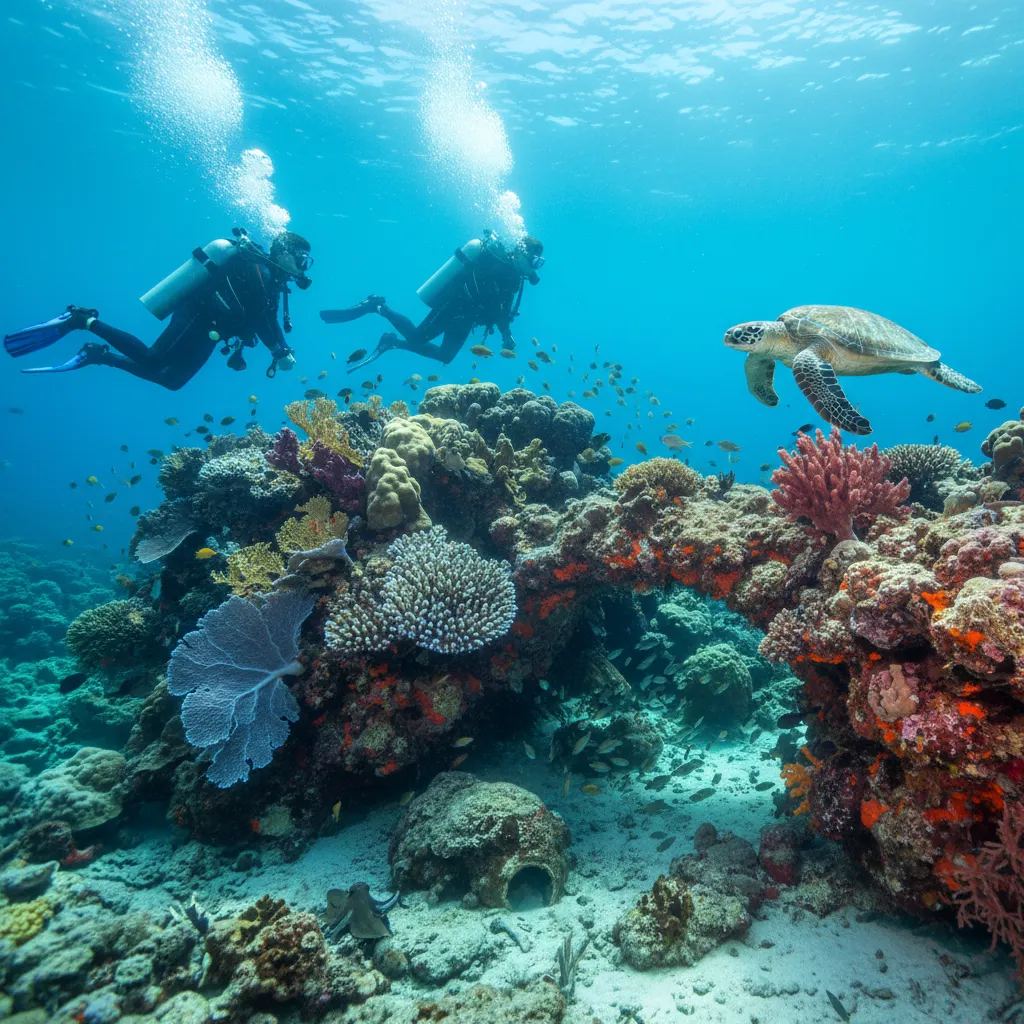
Paphos & Coral Bay offers some of Cyprus's richest diving, with 43+ marine species recorded in the area - including sea turtles. Water ranges 18-28°C, warmest July, August, September.
Paphos and Coral Bay on Cyprus’s west coast offer a Mediterranean experience that’s pleasantly relaxed. We love the variety of natural formations here - think swim-throughs, caves, and gentle amphitheatres carved into the rock. It’s a super spot for intermediate divers to refine skills without too much current to contend with. Our favourite dives often feature encounters with loggerhead and green turtles, particularly in the warmer months when they’re more active. Keep an eye on the sand for Atlantic stargazers, they’re masters of disguise, and you might spot a streaked gurnard fanning its fins. We’ve found the best visibility usually hits in late spring and early autumn, when the summer crowds have thinned a bit and the water's still warm. You’ll find plenty of rhoboid sweepers and goldband goatfish schooling around the rock formations. The artificial reefs are attracting more species each year, adding another layer of interest to the natural topography. It’s not a frenetic dive, more a calm exploration.
Paphos & Coral Bay Dive Site Map
Dive sites and dive centres in Paphos & Coral Bay
Paphos & Coral Bay Dive Sites
27 dive sites in Paphos & Coral Bay
ACCELO
The Accelo isn’t about depth, that’s for sure. At a maximum of two metres, this motor vessel wreck is practically a snorkelling site, but don't let the shallows fool you. We love it because it’s a proper, accessible piece of history, just off the beach. You can spend ages exploring the broken hull, seeing where the sea has started reclaiming it. Entry is easy from the shore, which is a real bonus. We’d suggest going early in the morning before any wind picks up; that’s when the water is calmest and visibility at its best. You'll float over twisted metal and scattered debris, watching shoals of juvenile fish dart in and out of the shadows. It’s not a site for big pelagics, obviously, but for seeing how a wreck becomes a home for blennies, gobies, and even small octopus, it’s our favourite. This is a perfect spot for photographers wanting to capture sunlight playing on an old ship, or for divers looking for a relaxed, shallow dive without the fuss of a boat trip.
ACHAIOS (POSSIBLY)
Okay, the Achaios. Or what we think is the Achaios, anyway. It’s tricky because the site we dive has a similar profile to the historical wreck data, but it’s a bit shallower than some records suggest. Regardless, we love this spot for a gentle, easy dive. The whole wreck lies in just 3m of water, which makes it absolutely perfect for snorkelers or anyone keen on a really long bottom time without pushing deco limits. What you get here is the skeletal remains of a decent-sized cargo ship, lying broken up on a sandy seabed. You can trace the ribs of the hull, and some of the thicker plates are still substantial enough to provide good shelter. We’ve found barracuda often hang out in the shadowy sections, just off the main structure. Look closely for nudibranchs, especially around any parts with algal growth. Visibility here can vary, but on a good day, with the sun high, the light filtering down into the wreck is quite beautiful, illuminating the rusted metal in shades of orange and brown. It’s a completely different vibe from a deep wreck dive, more like an archaeological exploration of a forgotten hulk. We’d suggest going early in the morning before any surface chop picks up; it really helps with the ambient light and makes spotting the smaller stuff easier.
ACHILLEAS
The Achilleas is a site we keep coming back to in Paphos. It’s a fishing boat, deliberately scuttled back in 1978, and sits upright at a flat 12 metres. The stern is our favourite spot, often swarming with small schooling fish, so thick they almost block out the light. We love slipping inside the engine room, a tight squeeze but totally worth it to see the light filtering through the portholes and the occasional moray eel peeking from the shadows. It’s a site that really shows how quickly the Mediterranean reclaims things. The deck is carpeted in a fine layer of silty growth, and you’ll find plenty of nudibranchs if you slow down and look closely. It’s perfect for a second dive of the day, or for newer wreck divers wanting to get comfortable with penetration in very safe conditions. Visibility can vary, but generally, it’s a bright dive, the kind where you can spend an easy hour just exploring every nook and cranny without feeling rushed. We often see lionfish here too, a reminder of the changing Med.
ADHAM II
The Adham II isn't about depth or dramatic drop-offs, it’s about accessible history and a surprisingly lively ecosystem at just six metres. We love this wreck for its simplicity and the sheer joy of a long, leisurely exploration. The motor vessel, which sank rather unceremoniously at anchor in 1981, now rests upright on the seabed, her mast still reaching towards the surface. You can spend a whole dive just circling the deck, peering into the open holds where damselfish dart amongst the shadows. Look closely, and you'll spot moray eels tucked into crevices and octopus camouflaged against the rust. The light here is often brilliant, casting patterns through the superstructure, and the lack of strong currents makes it a relaxed dive, perfect for photographers or those who just want to savour the moment. Our favourite part is lingering around the bow, watching the schooling bream shimmer around the anchor chain. It's a gentle introduction to wreck diving, forgiving and full of small wonders.
Agios Georgios Pegeia Beach
Agios Georgios Pegeia Beach in Paphos offers a gentle introduction to Mediterranean diving. It's a shallow spot, topping out around 12 meters, making it ideal for beginners or those getting back in the water after a break. We've found the visibility here can be quite good on calm days, letting you take your time spotting the usual suspects like small bream and blennies darting amongst the rocks. It’s a comfortable, easy dive, perfect for a relaxed afternoon.
Amphitheatre
The Amphitheatre site near Coral Bay is a pleasant, undemanding shore dive. It’s exactly what the name suggests: a bowl-shaped reef structure, shallower at the edges and dropping to a sandy bottom in the middle. We've often found small octopus tucked into crevices here, and there are always plenty of damselfish darting about. It’s an ideal spot for a leisurely dive, especially if you’re looking to get wet without venturing too far offshore. Good for photographers practicing macro, too.
Amphitheatre
The Amphitheatre, just off the coast near Paphos, is one of those sites that just feels… comfortable. It's a natural bowl in the seafloor, dropping from 5m down to about 18m, making it an absolute joy for newer divers or anyone looking for a relaxed second dive. We love the way the light filters down into the 'bowl', illuminating the rock formations. What you'll find here are plenty of nooks and crannies to peer into. We've often spotted octopuses peeking out from their dens, and you'll almost certainly come across a few groupers hanging out. Keep an eye on the sand too; we’ve had some great luck spotting Mediterranean tooth-footed snapping shrimp if you're patient enough to watch. The Shore Feather Duster Worms wave gently in the faint surge, and for the macro enthusiasts, Savigny’s brittle stars are usually tucked away under rocks. Visibility is generally good here, though it can get stirred up after strong westerly winds. Our favourite tip? Go early in the morning before the boat traffic picks up for the calmest surface conditions.
Church Bay
Church Bay is a decent shallow shore dive, particularly good for a relaxed afternoon. The reef here, a mix of rock and some emerging corals, drops gently, making it quite accessible. We’ve spotted plenty of the usual Mediterranean suspects – wrasse, damselfish, and occasionally a lone trumpetfish drifting by. Keep an eye out for Savigny's Brittle Star tucked into crevices; they're surprisingly common here. It’s a solid choice for newer divers or anyone looking to log some easy bottom time without a boat trip.
CyDive
Down in Paphos, CyDive is one of those easy, relaxed spots perfect for getting back into the swing of things. We’ve found the entry here pretty straightforward, which is always a bonus, especially if you haven't been in the water for a while or you’re diving with newer buddies. It’s a good place to spot smaller, more delicate creatures, like the Savigny's Brittle Star tucked into crevices or the Shore Feather Duster Worm swaying gently with the surge. You might also catch a Mediterranean Tooth-footed Snapping Shrimp doing its thing, a fun little distraction. For a chill dive without strong currents, it’s a solid choice, and a nice way to ease into the local diving scene.
DIMITRIOS II
The Dimitrios II wreck off Paphos is one of those sites we always recommend for a relaxed afternoon dip, especially if you’re looking for something a bit different. This cargo ship, beached since 1998, sits so shallow you can almost touch it from the surface. It’s a proper playground for snorkelers and freedivers, but still a fun, easy dive for tanks, mostly because you can spend ages just cruising around its broken remains without worrying about depth or deco. We love how the superstructure, particularly the bridge, is still largely intact above the water. Below, the hull has really opened up, creating these cool swim-throughs where you'll find clouds of damselfish and small groups of wrasse darting between the rusty plates. On a sunny day, the light plays through the gaps in the metal, making patterns on the sandy seabed, and the water is often calm enough that you get some really clear views of the prop shaft and rudder. It's not a deep dive, maxing out at about three metres, so you can take your time, poke around, and soak in the history of this accidental resident. Our favourite spot is hovering just outside the engine room, watching the resident octopus peek out from the shadows.
EDRO III
The EDRO III isn't your typical deep wreck. She's beached, listing hard to starboard, with half her hull out of the water near Peyia Sea Caves. We love that you can snorkel or free dive here and still get a fantastic experience. Even better, you can dive *under* her on the port side, where the hull plates scrape the seabed at a few metres' depth. It's an unusual, almost eerie feeling, exploring a massive ship that’s still so visible from above. Inside the accessible parts of the wreck, we’ve spotted shoals of small bream darting between the decaying structures, and occasionally a curious grouper peering out from a shadowy corner. On the hull, the first signs of colonisation are everywhere – some small anemones, sponges, and the start of a new, artificial reef forming. We’d suggest going early in the morning before the tour boats arrive, that’s when the light is best, cutting through the shallow water and illuminating the dramatic angle of the ship. It’s a photographer's dream, especially when you can capture the wreck both above and below the surface. A truly unique spot in Cyprus.
FARSAS II
The FARSAS II is a favourite of ours in the Paphos area, a really atmospheric dive. She went down back in '81, capsizing right outside the harbour. You'll find her sitting upright at 21 metres, though she’s fairly broken up in places. We always head for the bow first; there's a real sense of her history there, with the anchor chains still visible. What makes FARSAS II special is the way the wreck has become part of the reef. We’ve seen octopuses tucked into crevices, moray eels peering from pipes, and schools of damselfish flitting through the superstructure. The visibility here is often superb, so you can appreciate the scale of the wreck from a distance before getting up close. Our advice? Go early if you can. You’ll have the wreck largely to yourself, and the morning light filtering down onto the deck is something else. It's a proper wreck dive, perfect for those who like to take their time exploring, imagining the final moments of a vessel. Just remember, it’s a dangerous wreck, so penetration isn't really an option.
Show all 27 dive sites in Paphos & Coral Bay
Paphos & Coral Bay Dive Centres
15 dive shops and operators in Paphos & Coral Bay
ABC Dive Ltd
Abyss Dive Centre
Amphibious Diving Center
Amphora Scuba Diving Center
Coral Bay Divers
CREST DIVE LTD
Cydive
Freedom Divers Cyprus
Show all 15 dive centres in Paphos & Coral Bay
Ocean Wildlife in Paphos & Coral Bay
43 species recorded in Paphos & Coral Bay
Paphos & Coral Bay Daylight & Sunrise/Sunset
Sunrise and sunset times for Paphos & Coral Bay, calculated from coordinates
Today - Sunday 11 October
Sunrise
05:52
Sunset
17:22
Daylight
11h 29m
Golden Hour
16:48
First light (dawn) at 05:27 · Last light (dusk) at 17:47
Monthly Averages
| Month | Sunrise | Sunset | Daylight |
|---|---|---|---|
| Jan | 06:57 | 17:01 | 10h 4m |
| Feb | 06:37 | 17:33 | 10h 56m |
| Mar | 06:02 | 17:57 | 11h 56m |
| Apr | 05:19 | 18:22 | 13h 3m |
| May | 04:48 | 18:46 | 13h 58m |
| JunLongest | 04:36 | 19:05 | 14h 29m |
| Jul | 04:48 | 19:04 | 14h 17m |
| Aug | 05:10 | 18:40 | 13h 29m |
| Sep | 05:33 | 17:59 | 12h 26m |
| OctNow | 05:56 | 17:17 | 11h 21m |
| Nov | 06:24 | 16:46 | 10h 22m |
| DecShortest | 06:50 | 16:40 | 9h 50m |
Times are approximate local times based on longitude. Actual times may vary slightly depending on the exact timezone observed in Paphos & Coral Bay.
Where to Stay near Paphos & Coral Bay
Prices from Booking.com. We may earn a commission at no extra cost to you.
Marine Protected Areas near Paphos & Coral Bay
27 protected areas near Paphos & Coral Bay - please respect local regulations when diving
OCEANID
OCEANID
ZONI EIDIKIS PROSTASIAS CHERSONISOS AKAMA
CHERSONISOS AKAMA
AKROTIRIO ASPRO - PETRA ROMIOU
AKROTIRIO ASPRO - PETRA ROMIOU
PERIOCHI POLIS - GIALIA
SPA KAVO GKREKO
KAVO GKREKO
MPA Kavo Gkreko
MPA Lara-Toxeftra
MPA Geroskipou
Showing 12 largest of 27
Getting to Paphos & Coral Bay
Paphos
Tymbou (Kirklar)
Larnaca
Plan & book
Ways to dive Paphos & Coral Bay, from day trips to liveaboards.
Day trips & courses
via GetYourGuideGuided dives, courses and snorkel trips with instant booking.
Find dive trips in Paphos & Coral BayPlaces to stay
via Booking.comHotels and dive resorts near Paphos & Coral Bay.
Search stays in Paphos & Coral BayDive insurance
Most travel insurance excludes or limits scuba. Check what you need before you go.
Dive insurance explainedPartner links: we may earn a commission if you book, at no extra cost to you. How we make money