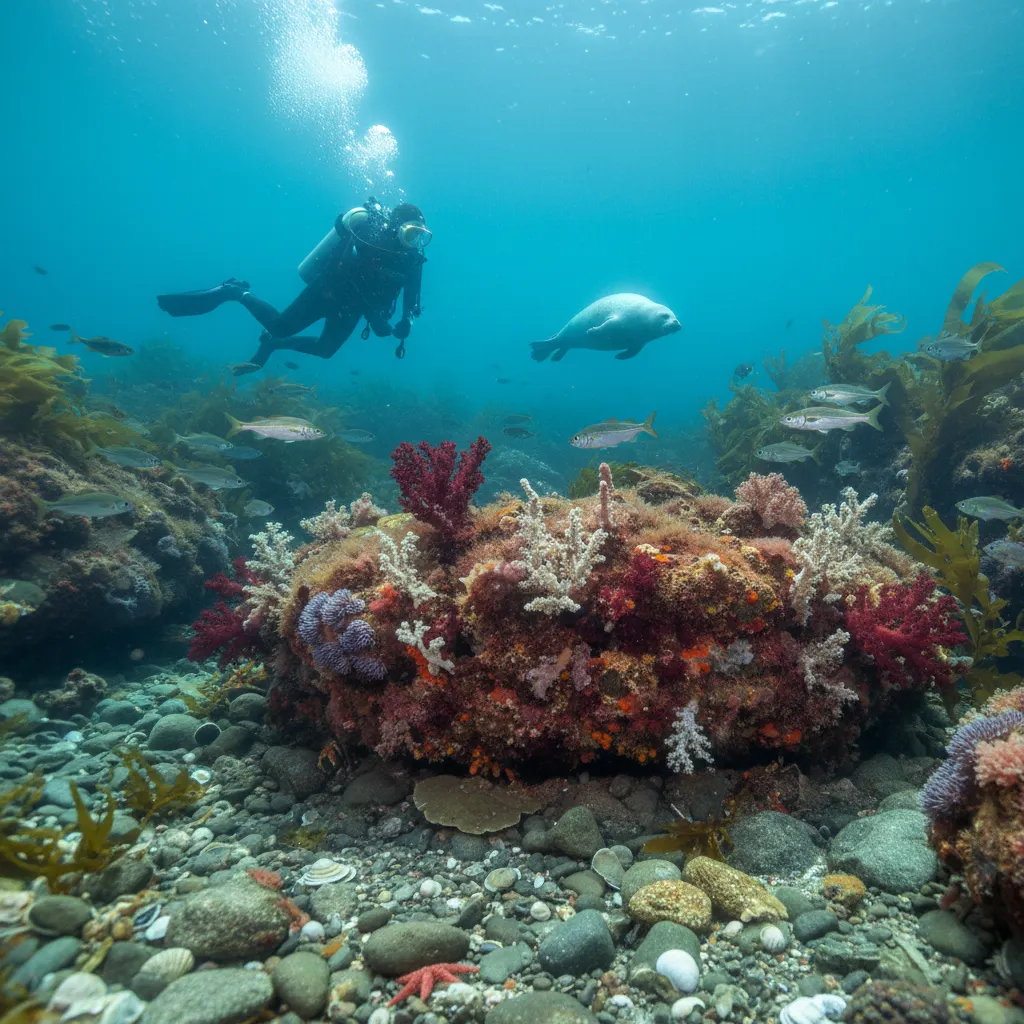

Diving in Sweden
Why dive here
Sweden offers rich diving, with 133+ marine species recorded in its waters - including dolphins, dwarf minke whales, humpback whales, orcas and seals & sea lions. Water sits around 1°C.
Forget tropical reefs. Diving in Sweden is about an entirely different kind of immersion, one steeped in history and a unique ecosystem. We think the real draw here is the Baltic Sea, particularly for its incredible shipwreck preservation. The low salinity and chilly temperatures act like a natural time capsule, leaving centuries-old wooden wrecks almost perfectly intact, a truly eerie and humbling experience. Head west, towards Gothenburg, and you’ll find the waters influenced by the North Sea, bringing a richer marine diversity. Expect encounters with things like snake blennies, butterfish, and the colourful Corkwing wrasse amongst fields of oarweed and Irish moss. Summer, from June to August, generally offers the best conditions for exploring, with slightly milder temperatures and better visibility. It’s not a numbers game for species, but the quality of the unique discoveries makes it a standout.
Sweden Dive Regions Map
Sweden Dive Regions
2 diving areas in Sweden
Baltic Coast
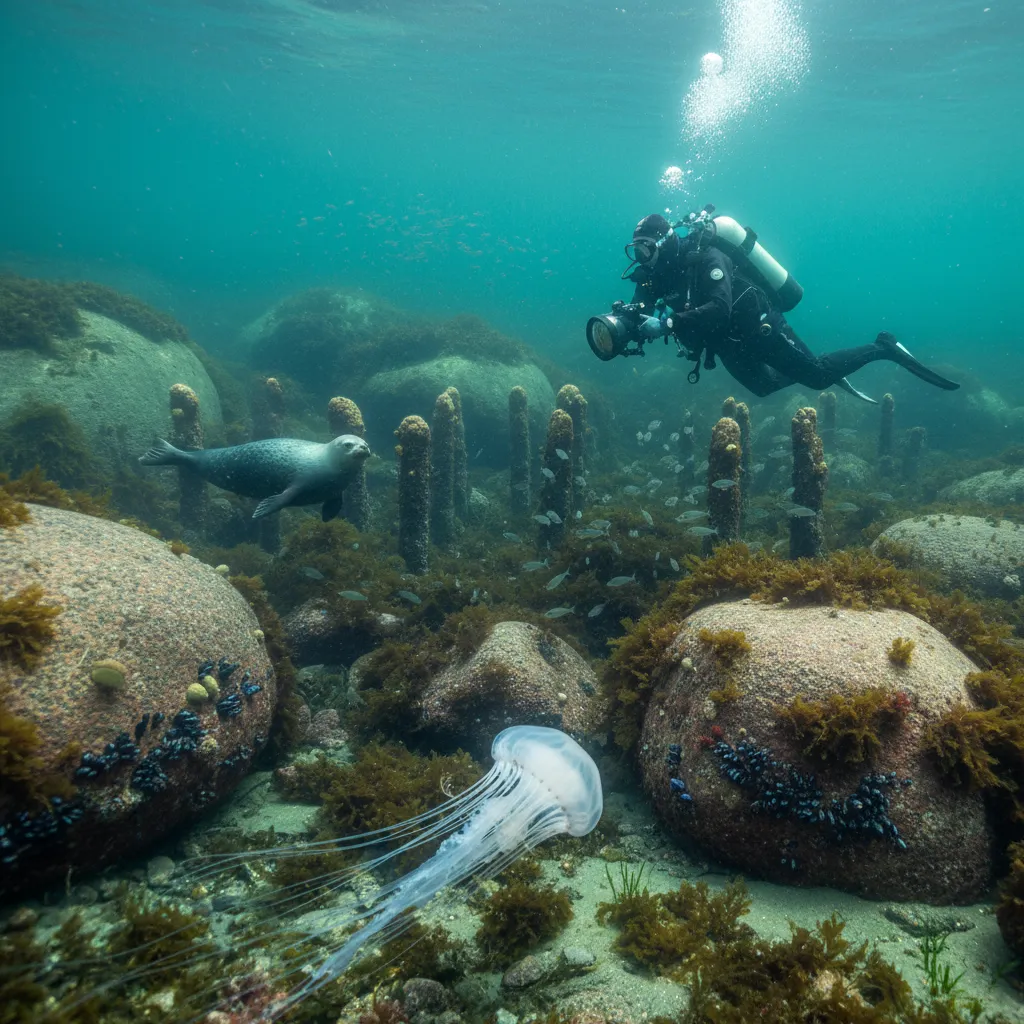
Diving the Baltic Coast in Sweden means trading colourful reefs for something altogether more hauntingly beautiful. This isn't your typical tropical escape, and we love it for that. The real draw here is the phenomenal preservation of wooden wrecks. Think about it: cold, brackish water means shipworms don't thrive, leaving timbers intact for centuries. Dropping down onto a site, you'll feel that incredible chill that preserves history so well. We've seen wrecks so well-preserved you can still spot the rigging blocks and deck planks as if they sank last year, not hundreds of years ago. Visibility can be a bit variable, but when it’s good, it’s truly spectacular, offering clear views of these historical time capsules. Keep an eye out for the odd burbot lurking in a shadowy corner, or a broadnosed pipefish drifting past. We'd suggest aiming for late summer or early autumn for the most settled conditions, though it's always worth checking local reports for current and visibility. This area isn't about tropical fish; it's about history, cold water, and an experience you won't find anywhere else.
West Coast (Gothenburg)
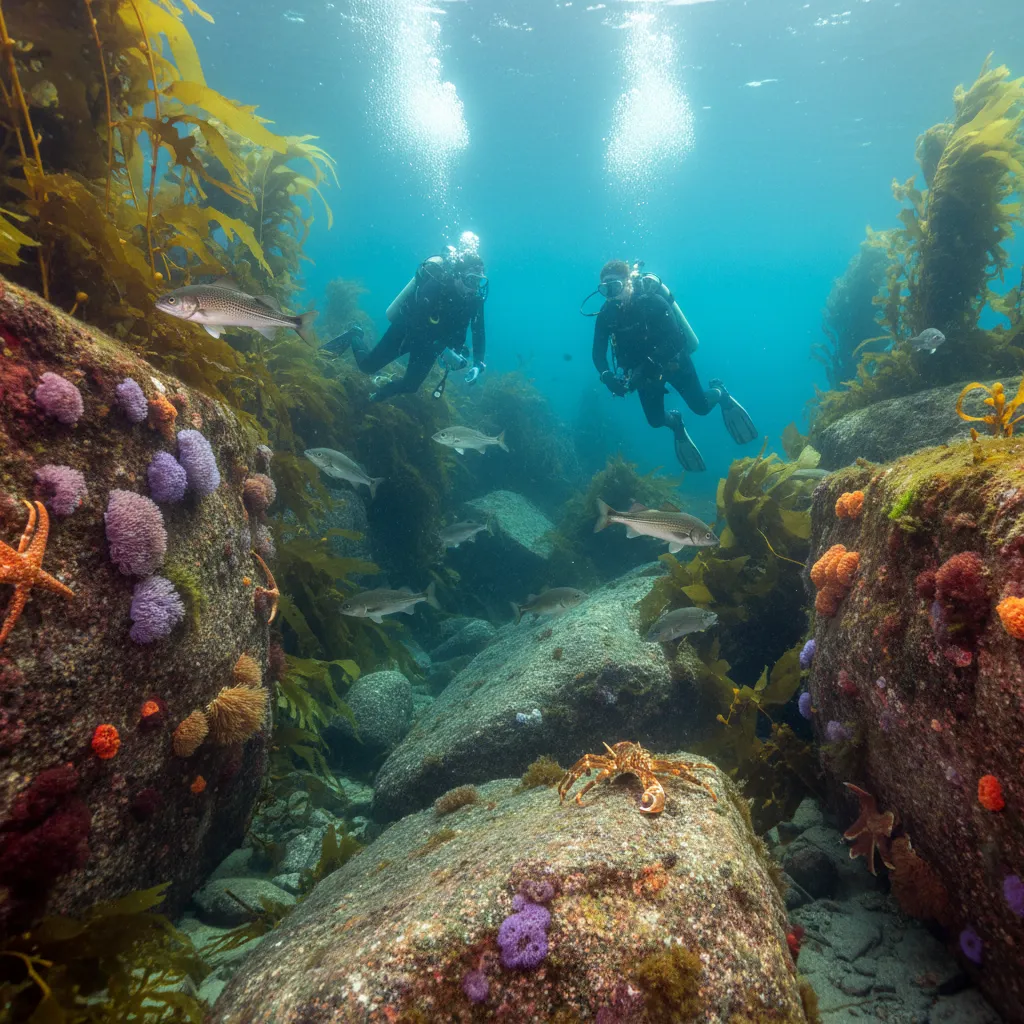
Diving on Sweden's West Coast, particularly around Gothenburg, is a unique, often bracing experience. Forget your typical tropical colours. Here, the North Sea influence brings a different kind of beauty: dense, swaying kelp forests and a rugged coastline that feels genuinely wild. We love the dramatic rock formations and the way sunlight filters through the green canopy, illuminating schools of saithe and wrasse. Our pick for a truly memorable dive is any of the numerous wrecks - they’re plentiful and often well-preserved in the colder water. You'll find yourself exploring old fishing boats and cargo ships, now home to harbour porpoises and thick colonies of hairy sea-mat. The visibility can vary, but on a good day, it's easily 15-20 metres, offering clear views of the structures and the fish that shelter within them. We’d suggest focusing on late summer or early autumn for the best conditions; the water’s at its warmest, around 15°C, and there’s less chance of strong winds. Just be ready for cooler water regardless - a drysuit is practically standard kit here. Keep an eye out for curious common gulls overhead and, if you're lucky, a fleeting glimpse of a sea trout. It’s not for everyone, but for those who appreciate temperate diving, this region offers an honest, raw beauty.
Ocean Wildlife in Sweden
133 species recorded in Sweden
Sweden Visa Requirements
Check if you need a visa to dive in Sweden
Plan & book
Ways to dive Sweden, from day trips to liveaboards.
Day trips & courses
via GetYourGuideGuided dives, courses and snorkel trips with instant booking.
Find dive trips in SwedenPlaces to stay
via Booking.comHotels and dive resorts near Sweden.
Search stays in SwedenDive insurance
Most travel insurance excludes or limits scuba. Check what you need before you go.
Dive insurance explainedPartner links: we may earn a commission if you book, at no extra cost to you. How we make money