Paraiso Reef
Protected Area
Caribe Mexicano
Why dive here
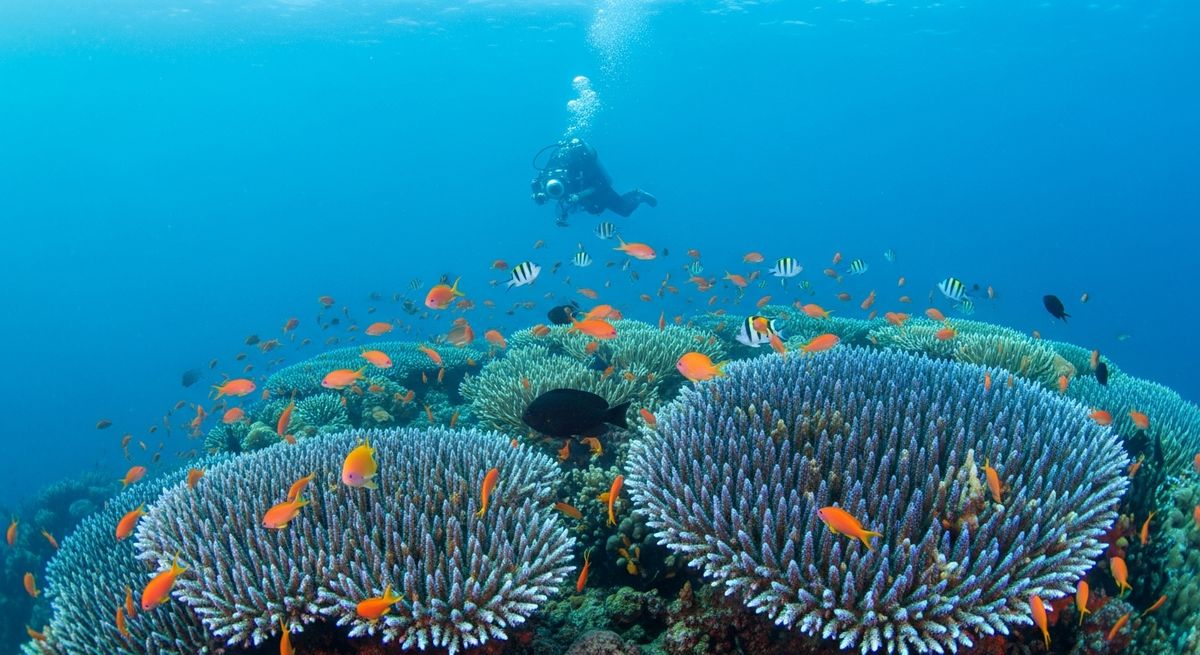
With 177+ marine species recorded in the area - including barracuda, bull sharks, dolphins, eagle rays and nurse sharks - Paraiso Reef offers some of Cozumel's richest reef diving. Water ranges 27-30°C, warmest August, September, October.
Paraiso Reef is an easy drift, a site we often head to for a relaxed second dive or when we want to take things slow. It sits right at the entrance to the Marine Park, just across from the marina. The current here reliably runs north, gently easing you along the coral ridges that parallel the shore. It’s a relatively shallow dive, maxing out around 14 metres, which means plenty of light for photography and longer bottom times. We love the schools of grunts and snappers that hang out in the nooks, and you’ll always find queen angelfish flashing their colours against the coral heads. Look closely in the anemones for tiny gobies, and we’ve spotted Broadnose Worm Eels poking their heads out of the sand on more than one occasion. This is also one of our favourite spots for a night dive. The reef really comes alive after dark, with sleeping parrotfish tucked into crevices and the chance of seeing hunting crabs and octopuses. If you’re looking for a low-stress dive with consistent marine life and good visibility, Paraiso is a solid choice. It's a great spot to practise buoyancy or just unwind without fighting a ripping current.
Safety Notes
Strong currents typical this month (avg 79 cm/s). Good buoyancy control essential.
Nearest Dive Centres to Paraiso Reef
Dive shops near Paraiso Reef
Roberta's Scuba Shack
HAMMER HEAD DIVING & SNORKELING
Scuba Life Cozumel
Scuba XOC Dive Center Cozumel
Blue Angel
Blue Note Scuba Diving
Reviews for Paraiso Reef
Conditions
Ocean conditions, forecast and tides for Paraiso Reef
Paraiso Reef Ocean Conditions
Monthly averages for Paraiso Reef, sourced from NOAA NDBC + Copernicus Marine (EU) - nearest station: Yucatan Basin - 120 NM ESE of Cozumel, MX (227km away)
October Averages
Sea Temperature
30°C
85°F · Range: 28.7–32.3°C
Air Temperature
29°C
84°F
Current Speed
78.6 cm/s
Direction: NE (36.7°)
Chlorophyll-a
0.046 mg/m³
Very clear (oligotrophic)
Salinity
35.99 PSU
Wave Height
1.1m
6.7s period
Wind Speed
5.5 m/s
10.7 knots
Atmospheric Pressure
1010.7 hPa
Visibility
24.1 nmi
Based on 5 years of monitoring data · Data sources: NOAA NDBC + Copernicus Marine (EU)
Plan & book
Ways to dive Cozumel, from day trips to liveaboards.
Day trips & courses
via GetYourGuideGuided dives, courses and snorkel trips with instant booking.
Find dive trips in CozumelPlaces to stay
via Booking.comHotels and dive resorts near Cozumel.
Search stays in CozumelDive insurance
Most travel insurance excludes or limits scuba. Check what you need before you go.
Dive insurance explainedPartner links: we may earn a commission if you book, at no extra cost to you. How we make money
Where to Stay near Paraiso Reef
Prices from Booking.com. We may earn a commission at no extra cost to you.