Cenote El Pit
Protected Area
Playa Tortuguera X'cacel-X'cacelito
Why dive here
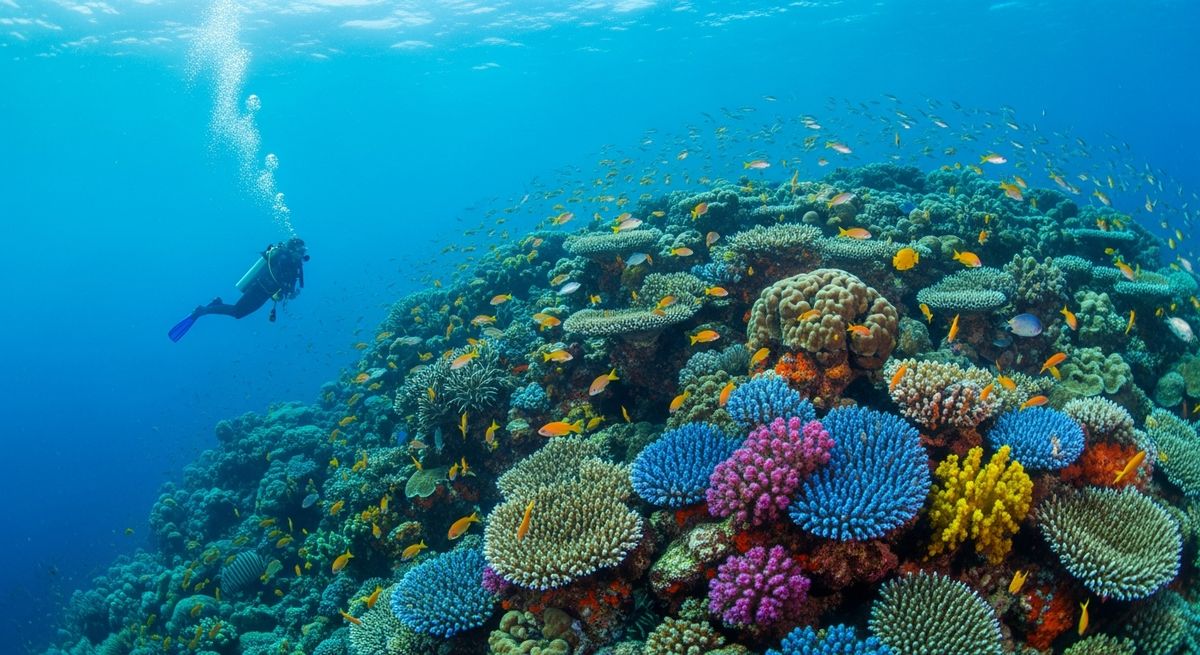
With 417+ marine species recorded in the area - including barracuda, bull sharks, dolphins, eagle rays and hammerhead sharks - Cenote El Pit offers some of Yucatán Cenotes's richest reef diving.
El Pit. What a place. If you're coming to the Yucatán for cenote diving, this one needs to be high on your list, especially if you love a good light show. We've been back multiple times, and it never gets old. The entry itself is a bit of a hike down slippery steps, so we always wear boots. Once you're in, though, you drop into this deep, open cavern, not really an overhead environment, which is nice. The real magic starts around 12-15 metres, where you hit the halocline. It shimmers, blurring everything for a moment, then you're through it and into salt water. Below that, at about 27-30 metres, you hit the hydrogen sulfide cloud. It looks like an ethereal, misty lake, completely disorienting and beautiful. Above the cloud, the beams of sunlight cutting through the water from the entrance are just insane, especially mid-morning. It's less about the critters here, though you might spot a few small freshwater fish near the surface or a shy brotula deeper down. This dive is all about the formations, the light, and that otherworldly cloud. We always feel like we’re floating through a sci-fi movie. It's a proper deep dive, but the open nature of it makes it approachable for anyone comfortable with depth.
Reviews for Cenote El Pit
Conditions
Ocean conditions, forecast and tides for Cenote El Pit
Plan & book
Ways to dive Yucatán Cenotes, from day trips to liveaboards.
Day trips & courses
via GetYourGuideGuided dives, courses and snorkel trips with instant booking.
Find dive trips in Yucatán CenotesPlaces to stay
via Booking.comHotels and dive resorts near Yucatán Cenotes.
Search stays in Yucatán CenotesDive insurance
Most travel insurance excludes or limits scuba. Check what you need before you go.
Dive insurance explainedPartner links: we may earn a commission if you book, at no extra cost to you. How we make money
Where to Stay near Cenote El Pit
Prices from Booking.com. We may earn a commission at no extra cost to you.