Mahahual Reef
Protected Area
Arrecifes de Xcalak
Why dive here
With 417+ marine species recorded in the area - including barracuda, bull sharks, dolphins, eagle rays and hammerhead sharks - Mahahual Reef offers some of Yucatán Cenotes's richest reef diving.
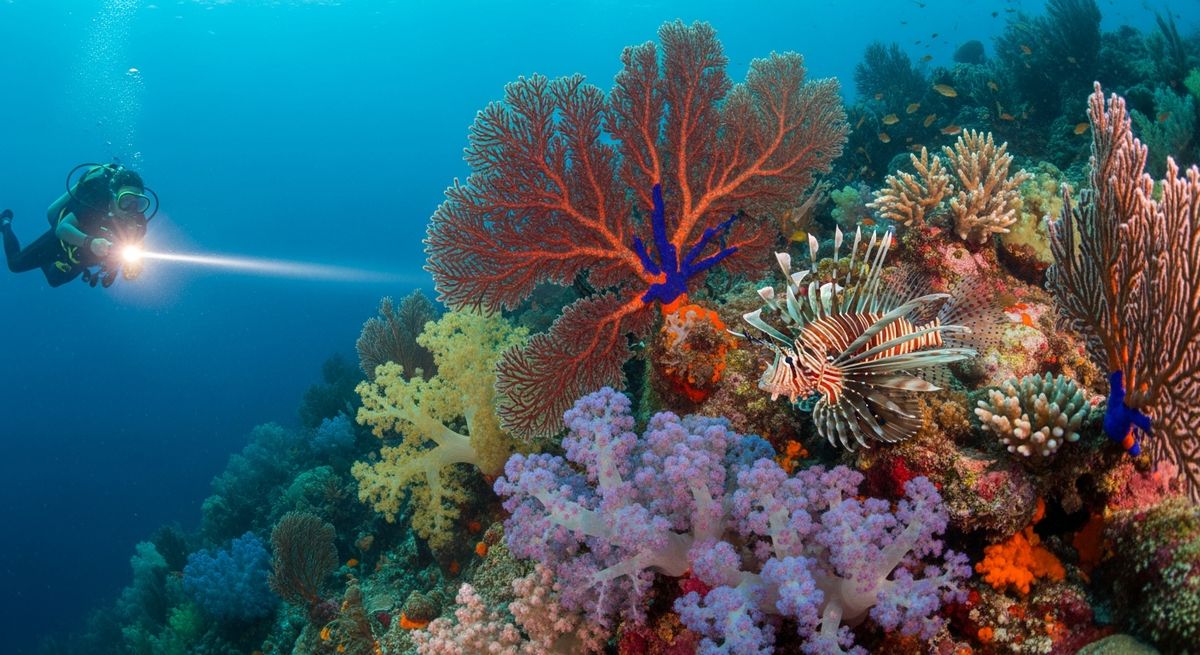
Mahahual Reef often gets overlooked for the cenotes further north, but it’s a quiet champion, especially if you’re staying in the area. We love it for a relaxed morning dive when the sun is hitting just right. Drop down, and the whole place feels like a warm, shallow aquarium. The reef here, maxing out around 18 metres, isn’t about huge pelagics, but the smaller stuff. We’ve had a few dives here where we spent the entire time watching pearl blennies pop in and out of the sand, or picking out the camouflaged sargassum nudibranchs on the algae. Keep an eye out for hawksbill turtles, too, munching away on sponges; they’re pretty reliable here. It’s a gentle current usually, making it perfect for lingering and really soaking in the details. If you’re into macro and just want a chill dive without the crowds, this is our pick.
Nearest Dive Centres to Mahahual Reef
Dive shops near Mahahual Reef
View all dive centres in Yucatán CenotesReviews for Mahahual Reef
Conditions
Ocean conditions, forecast and tides for Mahahual Reef
Plan & book
Ways to dive Yucatán Cenotes, from day trips to liveaboards.
Day trips & courses
via GetYourGuideGuided dives, courses and snorkel trips with instant booking.
Find dive trips in Yucatán CenotesPlaces to stay
via Booking.comHotels and dive resorts near Yucatán Cenotes.
Search stays in Yucatán CenotesDive insurance
Most travel insurance excludes or limits scuba. Check what you need before you go.
Dive insurance explainedPartner links: we may earn a commission if you book, at no extra cost to you. How we make money
Where to Stay near Mahahual Reef
Prices from Booking.com. We may earn a commission at no extra cost to you.