Ichetucknee Spring - Florida Keys

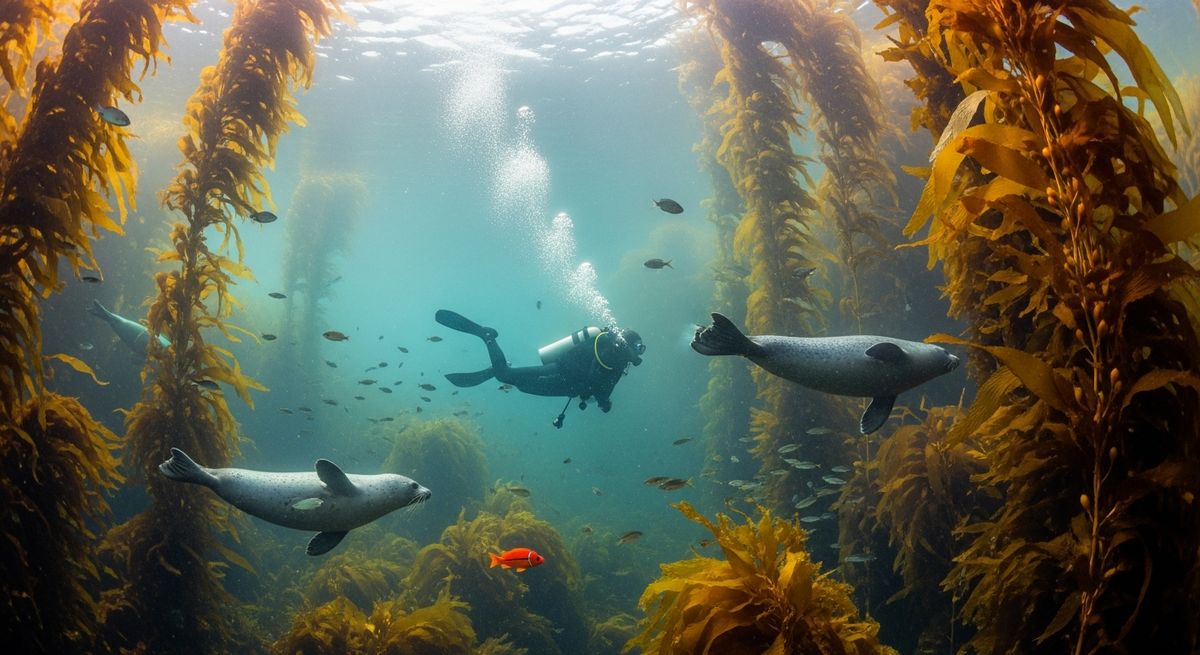
Ichetucknee Spring offers a gentle drift dive through clear, cool freshwater. You’ll often spot Eastern Mosquitofish darting past and American eels weaving through the underwater vegetation. It's a peaceful dive, best suited for those looking for a relaxed experience away from the ocean, or for divers new to currents.

Location
Florida Keys, United States, North America
Coordinates
29.984163, -82.761820

Best Time to Dive in Florida Keys

The warmest water temperatures in Florida Keys occur in July, averaging 31.5°C (up to 34.8°C). The coolest conditions are in January at 19.3°C.

Monthly Water Temperatures

  • January: 19.3°C (air: 18.5°C)
  • February: 20.5°C (air: 21.6°C)
  • March: 23.1°C (air: 22.4°C)
  • April: 25.5°C (air: 24.3°C)
  • May: 27.8°C (air: 25.9°C)
  • June: 30.2°C (air: 27.5°C)
  • July: 31.5°C (air: 28.3°C)
  • August: 31.5°C (air: 28.3°C)
  • September: 30.2°C (air: 27.3°C)
  • October: 27.3°C (air: 26.0°C)
  • November: 24.1°C (air: 22.3°C)
  • December: 20.9°C (air: 19.8°C)

Nearby Dive Sites in Florida Keys

Nearest Dive Centres to Ichetucknee Spring

Marine Life in Florida Keys

Home to 91 recorded species including 69 reef fish, 6 sharks & rays, 3 other, 3 hard corals, 2 sea snails & nudibranchs, 2 sea urchins.

Notable Species

Recommended Packing List for Ichetucknee Spring

Based on average water temperature of 26.0°C, currents 1 cm/s.

  • Shorty or Rashguard - warm 26°C water needs minimal exposure protection
  • Mask - essential for every dive
  • Fins
  • BCD - buoyancy compensator
  • Regulator - your most safety-critical piece of gear
  • Dive Computer - tracks depth, time, and NDL
  • Surface Marker Buoy (SMB) - essential for boat pickups
  • Dive Torch - useful for crevices and colour at depth
  • Underwater Camera - capture your diving memories

Frequently Asked Questions

What is the maximum depth for scuba diving at Ichetucknee Spring and what can divers expect to see?
The maximum depth for scuba diving at Ichetucknee Spring is currently unknown based on the provided data. Divers can expect to explore a unique freshwater environment within a 2,241-acre Florida State Park, characterized by hardwood hammocks and limestone outcrops. The 6-mile-long Ichetucknee River flows through shaded hammocks and wetlands, offering a distinctive natural setting.
What are the required certifications for scuba diving at Ichetucknee Spring, specifically at Blue Hole?
Based on the provided data for Ichetucknee Spring, specific certification requirements for scuba diving are not detailed. Furthermore, there is no information available regarding a specific site named "Blue Hole" within the provided context. Divers should always ensure they have appropriate training and certifications for the conditions they plan to encounter.
How challenging is diving at Ichetucknee Spring, especially considering currents and entry points?
Diving at Ichetucknee Spring is classified as having an intermediate difficulty level. While specific details on currents and entry points are not provided in the available data, divers should be prepared for conditions typical of an intermediate site. Always assess your comfort level and experience before entering the water.
What are the typical water conditions and visibility like for divers at Ichetucknee Spring?
The provided data for Ichetucknee Spring does not specify typical water conditions or visibility for divers. As a spring environment, conditions can vary, and divers should consult local resources for up-to-date information before planning their dive.
When is the best time of year to go scuba diving at Ichetucknee Spring for optimal conditions and fewer crowds?
The provided information for Ichetucknee Spring does not specify the best time of year for optimal diving conditions or to avoid crowds. For general guidance on planning your dive trips, you might find our When to Dive section helpful.
Are there strong currents or specific underwater conditions divers should be aware of at Ichetucknee Spring's Blue Hole?
The provided data for Ichetucknee Spring does not contain information about strong currents or specific underwater conditions. Additionally, there is no mention of a specific site called "Blue Hole" within the given context. Divers should always research current conditions and local advisories before diving.