Blanca Rosita
Why dive here
With 33+ marine species recorded in the area - including sperm whales - Blanca Rosita offers some of Mar del Plata's richest wreck diving. Water ranges 10-21°C, warmest January, February, March.
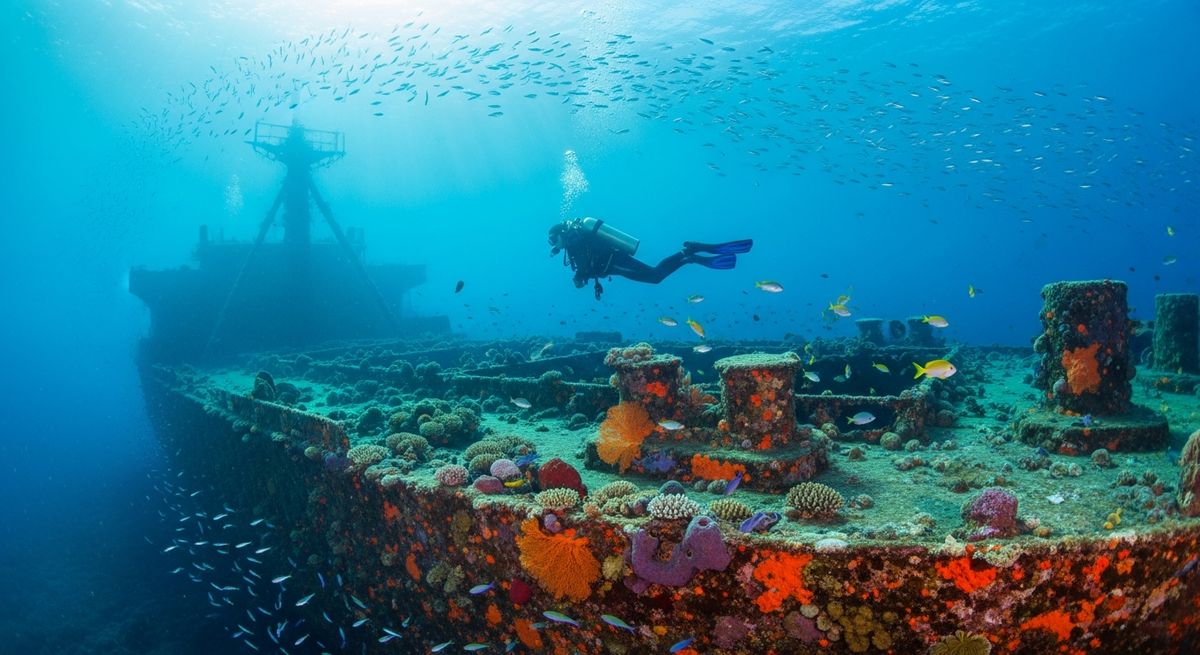
Blanca Rosita isn’t a deep dive, sitting shallow at just seven metres, but it offers a genuinely engaging experience for anyone keen on history and macro life. We love how accessible this wreck is, perfect for an afternoon’s exploration without needing extensive bottom time. Sunk back in October 1926, she’s a century-old steel skeleton, well broken up but still very much a wreck, not just a pile of debris. You’ll spend your dive poking around twisted metal plates and rusted beams, feeling the slight surge against you as you peek into tight crevices. This is prime territory for small stuff; think blennies peeking out of holes, nudibranchs crawling along encrusted surfaces, and often some decent-sized crabs scuttling away as you approach. We’d suggest going during a slack tide if you can, as the visibility can improve dramatically, letting you appreciate the wreck’s full outline without fighting the current. Blanca Rosita is our pick for a relaxing, historical dive that rewards a slow, observant pace.
Typical Blanca Rosita Dive Profile
Illustrative profile based on site depth and type. Actual dive profiles vary - always follow your dive computer and training.
Safety Notes
Wreck site - avoid penetration without wreck diving certification. Watch for sharp metal and entanglement hazards.
Cold water this month (avg 14°C). Drysuit or thick wetsuit (7mm+) recommended.
Blanca Rosita Wreck History
Year Sunk
1926
Vessel Type
fishing vessel
Cause
unknown
The story of the Blanca Rosita, which sank off the coast of Mar del Plata on October 24, 1926, is shrouded in mystery. While the date of its loss is recorded, the cause remains unknown, leaving its final moments to the imagination. Given its location in one of Argentina's busiest fishing ports and its name, it was likely a local fishing vessel or small coastal trader that met an unfortunate end. Today, it lies in just 7 metres of water, making it one of the most accessible wreck sites in the area.
Its shallow depth and proximity to shore make the Blanca Rosita an ideal dive for beginners, photographers, and those looking for a relaxed second dive of the day. The classification as a "dangerous wreck" hints that the structure is broken, with sharp edges and scattered debris that now provide a perfect habitat for a variety of local marine life. Exploring the remains of this 1920s-era vessel offers a unique glimpse into the region's maritime past, even if its complete story has been claimed by the sea.
Reviews for Blanca Rosita
Conditions
Ocean conditions, forecast and tides for Blanca Rosita
Blanca Rosita Ocean Conditions
Monthly averages for Blanca Rosita, sourced from Open-Meteo marine data + Copernicus Marine (EU) - nearest station: Open-Meteo marine grid (-38.05, -57.5) (0km away)
October Averages
Sea Temperature
14°C
56°F · Range: 11.1–16.9°C
Current Speed
2.83 cm/s
Direction: SE (135°)
Salinity
0 PSU
Based on 4 years of monitoring data · Data sources: Open-Meteo marine data + Copernicus Marine (EU)
Plan & book
Ways to dive Mar del Plata, from day trips to liveaboards.
Day trips & courses
via GetYourGuideGuided dives, courses and snorkel trips with instant booking.
Find dive trips in Mar del PlataPlaces to stay
via Booking.comHotels and dive resorts near Mar del Plata.
Search stays in Mar del PlataDive insurance
Most travel insurance excludes or limits scuba. Check what you need before you go.
Dive insurance explainedPartner links: we may earn a commission if you book, at no extra cost to you. How we make money
Where to Stay near Blanca Rosita
Prices from Booking.com. We may earn a commission at no extra cost to you.