Rio de Janeiro (Wreck)
Protected Area
Reserva De Desenvolvimento Sustentável Do Aventureiro
Why dive here
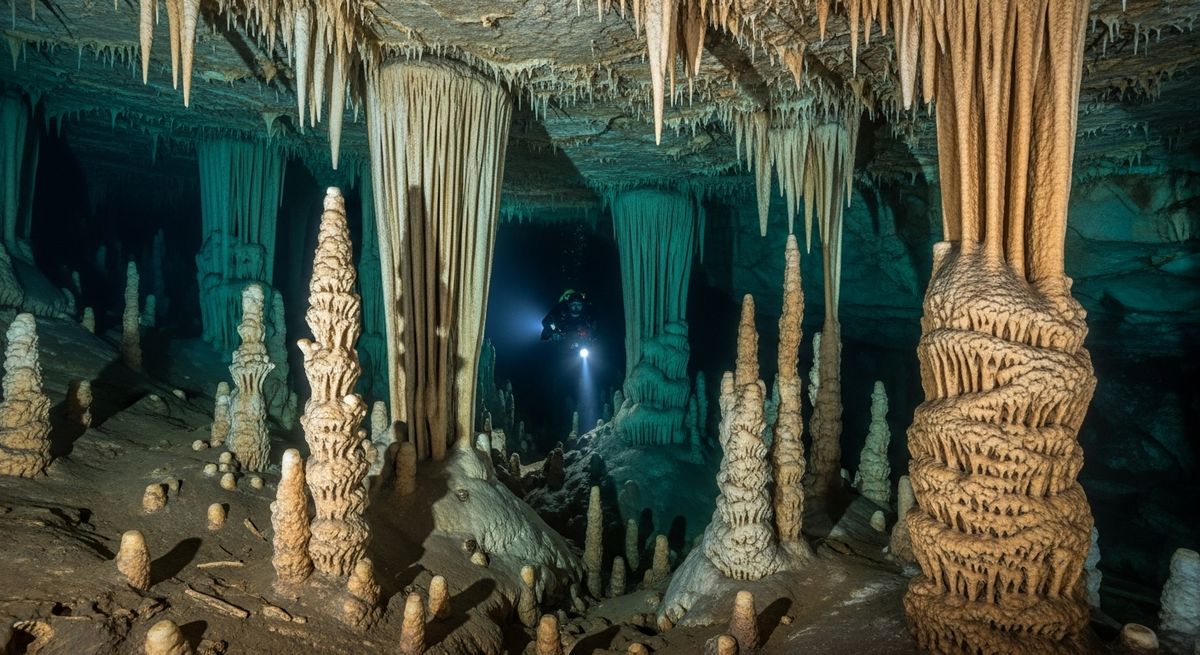
With 55+ marine species recorded in the area - including humpback whales - Rio de Janeiro (Wreck) offers some of Arraial do Cabo's richest cave diving. Water ranges 22-28°C, warmest January, February, March.
The Rio de Janeiro wreck, just off Arraial do Cabo, is one of our favourites for a relaxed afternoon dive. It’s not deep, topping out at 13 metres, which means plenty of bottom time to really poke around. We love tracing the outline of the old steamboat, imagining the charcoal fire that brought it down in 1853. You can still make out the cylinders and pistons of the engine, a real marvel of engineering for its time, along with the wheel axle support and the condenser. Visibility here averages around 8 metres, which is often enough to take in the key features, but we always suggest aiming for a morning dive before any boat traffic stirs things up. What makes this wreck special, beyond the history, is how the local marine life has truly made it their own. Snapper and fat snook shelter in the nooks, and we’ve spotted angelfish flitting between the rusted metal. Look closely and you’ll find bearded gobies tucked into crevices and the occasional honeycomb cowfish drifting past. This site is perfect for newer wreck divers or photographers wanting to capture a piece of history teeming with life.
Typical Rio de Janeiro (Wreck) Dive Profile
Illustrative profile based on site depth and type. Actual dive profiles vary - always follow your dive computer and training.
Safety Notes
Overhead environment - never enter without proper cave/cavern training, redundant equipment, and a guideline.
Always perform a 3-minute safety stop at 5m before surfacing.
Nearest Dive Centres to Rio de Janeiro (Wreck)
Dive shops near Rio de Janeiro (Wreck)
Natura Dive
NAUTILUS MERGULHO
Jamanta Dive Center
Dive Eco Mergulho
Elite Dive Center
AQUAMASTER Centro de Mergulho
Reviews for Rio de Janeiro (Wreck)
Conditions
Ocean conditions, forecast and tides for Rio de Janeiro (Wreck)
Rio de Janeiro (Wreck) Ocean Conditions
Monthly averages for Rio de Janeiro (Wreck), sourced from Open-Meteo marine data + Copernicus Marine (EU) - nearest station: Open-Meteo marine grid (-23.23, -44.16) (12km away)
October Averages
Sea Temperature
23°C
73°F · Range: 17.8–26.6°C
Current Speed
8.49 cm/s
Direction: SW (225°)
Salinity
35.38 PSU
Based on 4 years of monitoring data · Data sources: Open-Meteo marine data + Copernicus Marine (EU)
Plan & book
Ways to dive Arraial do Cabo, from day trips to liveaboards.
Day trips & courses
via GetYourGuideGuided dives, courses and snorkel trips with instant booking.
Find dive trips in Arraial do CaboPlaces to stay
via Booking.comHotels and dive resorts near Arraial do Cabo.
Search stays in Arraial do CaboDive insurance
Most travel insurance excludes or limits scuba. Check what you need before you go.
Dive insurance explainedPartner links: we may earn a commission if you book, at no extra cost to you. How we make money
Where to Stay near Rio de Janeiro (Wreck)
Prices from Booking.com. We may earn a commission at no extra cost to you.