Lupus
Protected Area
Área De Relevante Interesse Ecológico Orla Marítima
Why dive here
With 44+ marine species recorded in the area - including sea turtles - Lupus offers some of Fernando de Noronha's richest diving. Water ranges 27-29°C, warmest March, April, May.
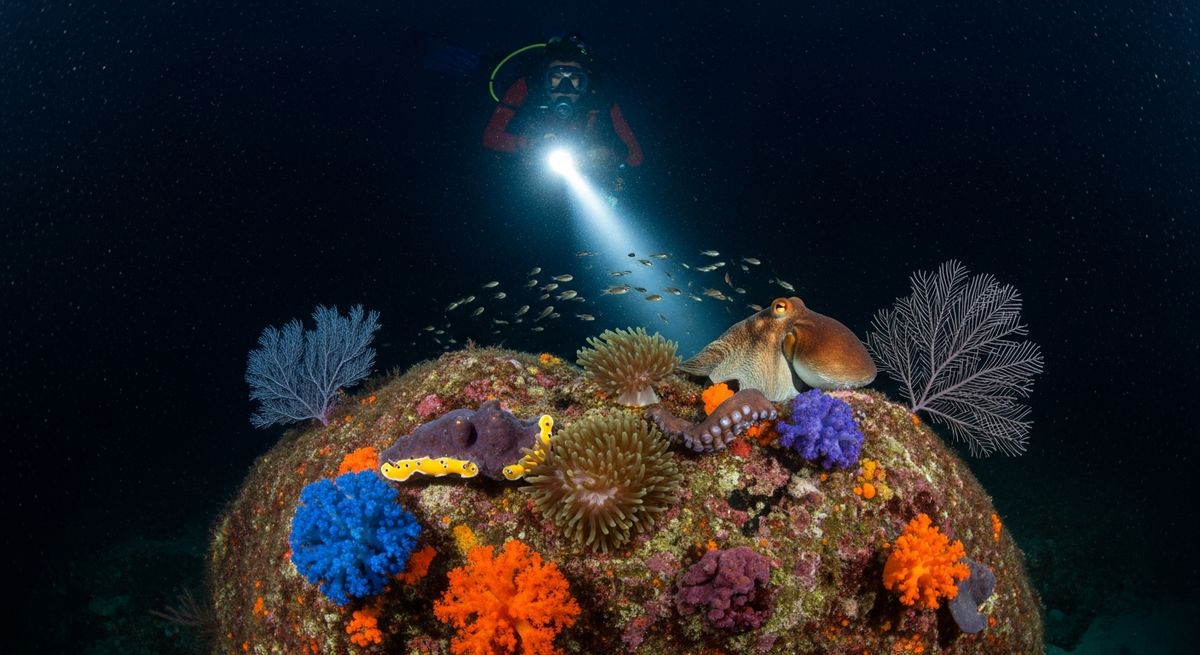
Lupus is our pick for a deeper wreck dive in Fernando de Noronha, especially if you’ve already explored the shallower stuff. Dropping down to 34 metres, you’ll find a tugboat that’s still remarkably complete, with those two big chimneys standing proud next to the cockpit. It feels like a proper wreck dive, not just a pile of metal. We love finning slowly over the deck, spotting whitespotted filefish flitting between the structural pieces. The wreck works as a magnet for fish, and you often see schools of grunts and broad shads swirling around the superstructure – it’s quite a sight when the light catches them just right. Keep an eye out for mottled conger morays tucked into crevices and the occasional red grouper lurking in the shadows. Visibility often hits 20 metres or more, which makes navigating the wreck easy, even at depth. It's a fantastic site for advanced divers who appreciate a well-preserved wreck and the marine life it brings in.
Nearest Dive Centres to Lupus
Dive shops near Lupus
View all dive centres in Fernando de NoronhaReviews for Lupus
Conditions
Ocean conditions, forecast and tides for Lupus
Lupus Ocean Conditions
Monthly averages for Lupus, sourced from Open-Meteo marine data + Copernicus Marine (EU) - nearest station: Open-Meteo marine grid (-3.84, -32.38) (0km away)
October Averages
Sea Temperature
27°C
81°F · Range: 26.5–27.9°C
Current Speed
29.15 cm/s
Direction: NW (329°)
Chlorophyll-a
0.035 mg/m³
Very clear (oligotrophic)
Salinity
36.39 PSU
Based on 4 years of monitoring data · Data sources: Open-Meteo marine data + Copernicus Marine (EU)
Plan & book
Ways to dive Fernando de Noronha, from day trips to liveaboards.
Day trips & courses
via GetYourGuideGuided dives, courses and snorkel trips with instant booking.
Find dive trips in Fernando de NoronhaPlaces to stay
via Booking.comHotels and dive resorts near Fernando de Noronha.
Search stays in Fernando de NoronhaDive insurance
Most travel insurance excludes or limits scuba. Check what you need before you go.
Dive insurance explainedPartner links: we may earn a commission if you book, at no extra cost to you. How we make money
Where to Stay near Lupus
Prices from Booking.com. We may earn a commission at no extra cost to you.