Batu Kelebit
Protected Area
KK Karangasem
Why dive here
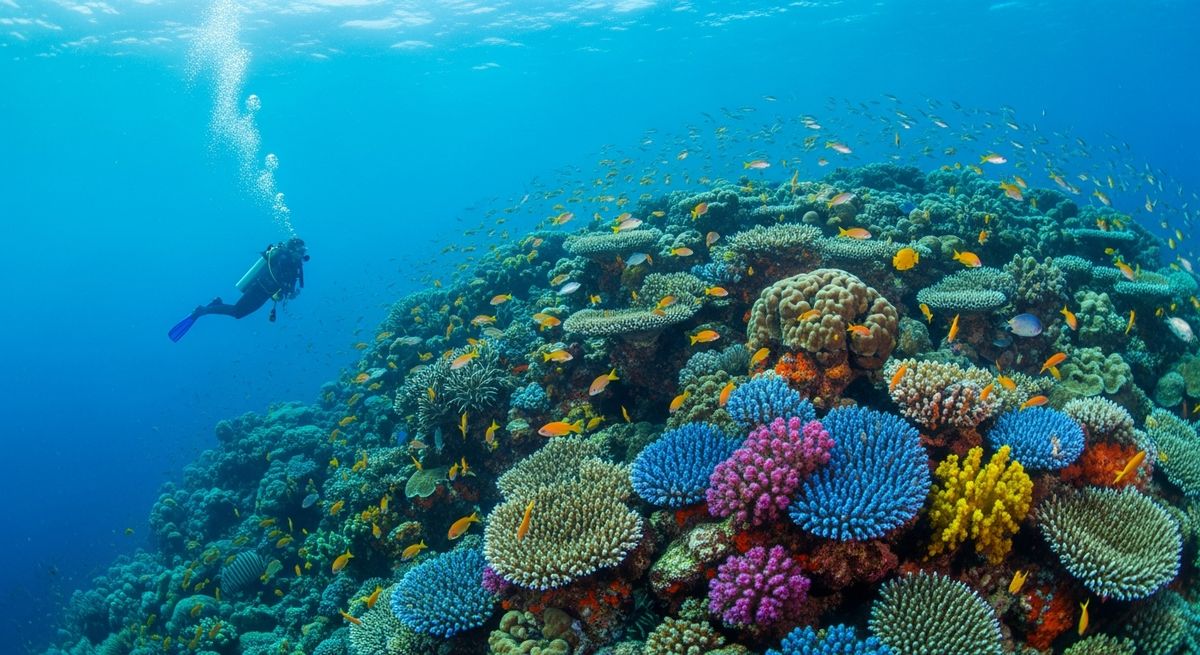
With 246+ marine species recorded in the area - including blue-spotted stingrays, bull sharks, grey reef sharks, manta rays and mobula rays (devil rays) - Batu Kelebit offers some of Lombok & Gili Islands's richest reef diving. Water ranges 28-30°C, warmest April, May, November.
Batu Kelebit often gets overlooked, sitting just a short jukung ride from Tulamben’s main sites, but it’s a quiet favourite of ours. We love dropping onto the wall here, which starts shallow and just keeps going, though we typically bottom out around 24 metres. It’s not about huge pelagics, though groupers do pop out of the blue sometimes; it's the sheer density of life in the cracks and crevices that really holds our attention. Look closely and you’ll find those tiny Shimada's and Pudgy Pygmygobies flitting about, along with the Elegant Sandburrowers doing their thing. The table corals are enormous, and we often spot crown of thorns starfish moving slowly across them, a reminder of the constant ebb and flow of reef life. Visibility averages a decent 17 metres, making it a relaxed dive. We’d suggest going early to catch the wall at its quietest, giving you more space to really scan the corals for those shy seahares. It's a great spot for macro enthusiasts and anyone who enjoys a peaceful drift along a healthy wall.
Nearest Dive Centres to Batu Kelebit
Dive shops near Batu Kelebit
Cornerstone Dive Center
Bali Conservation Diving
Matahari Dive Center
Apnea Bali
Wonder Dive Tulamben
Bali Reef Divers Tulamben Dive Resort
Reviews for Batu Kelebit
Conditions
Ocean conditions, forecast and tides for Batu Kelebit
Batu Kelebit Ocean Conditions
Monthly averages for Batu Kelebit, sourced from Open-Meteo marine data + Copernicus Marine (EU) - nearest station: Open-Meteo marine grid (-8.35, 116.05) (0km away)
October Averages
Sea Temperature
30°C
85°F · Range: 28.3–30.9°C
Current Speed
29.15 cm/s
Direction: SW (239°)
Chlorophyll-a
0.223 mg/m³
Clear water
Salinity
33.97 PSU
Based on 4 years of monitoring data · Data sources: Open-Meteo marine data + Copernicus Marine (EU)
Plan & book
Ways to dive Lombok & Gili Islands, from day trips to liveaboards.
Day trips & courses
via GetYourGuideGuided dives, courses and snorkel trips with instant booking.
Find dive trips in Lombok & Gili IslandsPlaces to stay
via Booking.comHotels and dive resorts near Lombok & Gili Islands.
Search stays in Lombok & Gili IslandsDive insurance
Most travel insurance excludes or limits scuba. Check what you need before you go.
Dive insurance explainedPartner links: we may earn a commission if you book, at no extra cost to you. How we make money
Where to Stay near Batu Kelebit
Prices from Booking.com. We may earn a commission at no extra cost to you.