Batu niti
Protected Area
KK Karangasem
Why dive here
With 246+ marine species recorded in the area - including blue-spotted stingrays, bull sharks, grey reef sharks, manta rays and mobula rays (devil rays) - Batu niti offers some of Lombok & Gili Islands's richest muck diving. Water ranges 28-30°C, warmest April, May, November.
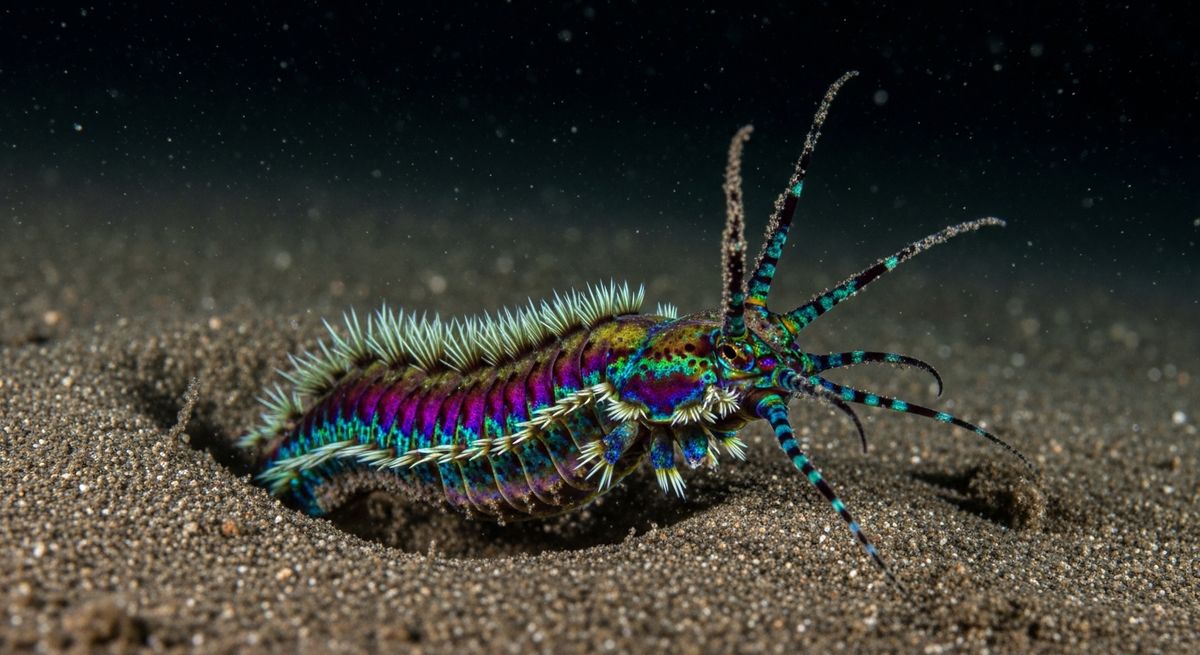
Batu Niti is one of those Seraya sites that just clicks for anyone who loves hunting for the small stuff. We’ve spent hours here, meticulously combing the rocky shallows that give way to a gentle, sandy slope. It's not about big pelagics, it's about getting up close and personal. Think boxer crabs scuttling amongst the rocks, frogfish camouflaged perfectly, and the delicate dance of ghost pipefish swaying with the current. The current description mentions a max depth of 25m, but we find the real action is shallower, mostly between 10-20m. Visibility averages around 15m, which is plenty for macro photography. Our favourite finds here are always the nudibranchs; the bicolor and Sargassum nudibranchs are reliably present, and we’ve spotted Cobb’s winged murphydoris a few times. Don't forget to peer into every crevice, that’s where you’ll often find blotchfin scorpionfish or even a slender snake eel poking its head out. The dive is usually calm, making it perfect for photographers or divers who appreciate a slower pace. It’s a site for the patient observer, someone happy to linger over a patch of sand, knowing a wonderpus or a well-hidden pygmygoby could be just inches away.
Typical Batu niti Dive Profile
Illustrative profile based on site depth and type. Actual dive profiles vary - always follow your dive computer and training.
Nearest Dive Centres to Batu niti
Dive shops near Batu niti
Seraya Beach Dive Site
Bali Celebes Dive
Scuba Seraya Diving
Tulamben Dive
Go Diving
Bali Conservation Diving
Reviews for Batu niti
Conditions
Ocean conditions, forecast and tides for Batu niti
Batu niti Ocean Conditions
Monthly averages for Batu niti, sourced from Open-Meteo marine data + Copernicus Marine (EU) - nearest station: Open-Meteo marine grid (-8.35, 116.05) (0km away)
October Averages
Sea Temperature
30°C
85°F · Range: 28.3–30.9°C
Current Speed
29.15 cm/s
Direction: SW (239°)
Chlorophyll-a
0.223 mg/m³
Clear water
Salinity
33.97 PSU
Based on 4 years of monitoring data · Data sources: Open-Meteo marine data + Copernicus Marine (EU)
Plan & book
Ways to dive Lombok & Gili Islands, from day trips to liveaboards.
Day trips & courses
via GetYourGuideGuided dives, courses and snorkel trips with instant booking.
Find dive trips in Lombok & Gili IslandsPlaces to stay
via Booking.comHotels and dive resorts near Lombok & Gili Islands.
Search stays in Lombok & Gili IslandsDive insurance
Most travel insurance excludes or limits scuba. Check what you need before you go.
Dive insurance explainedPartner links: we may earn a commission if you book, at no extra cost to you. How we make money
Where to Stay near Batu niti
Prices from Booking.com. We may earn a commission at no extra cost to you.