Blue Lagoon
Protected Area
KK Karangasem
Why dive here
With 246+ marine species recorded in the area - including blue-spotted stingrays, bull sharks, grey reef sharks, manta rays and mobula rays (devil rays) - Blue Lagoon offers some of Lombok & Gili Islands's richest reef diving. Water ranges 28-30°C, warmest April, May, November.
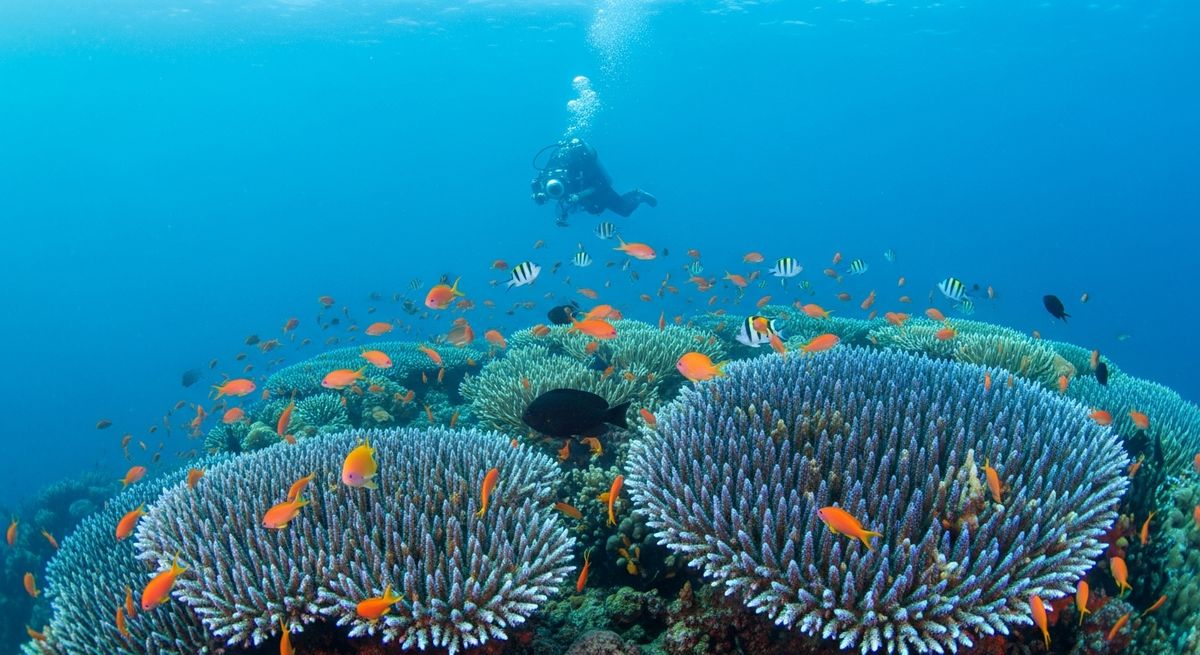
Blue Lagoon, near Lombok's Sekotong Peninsula, might not have the dramatic drop-offs of the Gili Trawangan sites, but it's a stellar spot for those who appreciate the smaller, stranger things. We love dropping onto that bright white sand, a real contrast to the vibrant reef on the edges. Maximum depth here is 18m, making it perfect for a leisurely hour of searching rather than racing. You'll spend most of your time scrutinizing the coral bommies and the rubble patches, which are surprisingly rich. We've seen leafy scorpionfish melt into the background, spotted hawkfish perched on corals, and blue-ribbon wrasse darting between crevices. It's also a reliable place for turtles – green and olive ridleys cruise through, often ignoring us completely. Keep an eye on the sandy slopes away from the reef; that's where the cleaning stations are, and we've found blue-spotted stingrays half-buried, along with the occasional Indo-Pacific tarpon making a pass. Visibility averages 16m, which is usually plenty for macro hunting. It's a calm site, great for photographers or anyone who just wants to slow down and really look.
Nearest Dive Centres to Blue Lagoon
Dive shops near Blue Lagoon
Geko Dive Bali
Waterworxx
Absolute Scuba
Q-Dive
Blue Lagoon Snorkelling
Paradise Diving Indonesia Bali
Reviews for Blue Lagoon
Conditions
Ocean conditions, forecast and tides for Blue Lagoon
Blue Lagoon Ocean Conditions
Monthly averages for Blue Lagoon, sourced from Open-Meteo marine data + Copernicus Marine (EU) - nearest station: Open-Meteo marine grid (-8.35, 116.05) (0km away)
October Averages
Sea Temperature
30°C
85°F · Range: 28.3–30.9°C
Current Speed
29.15 cm/s
Direction: SW (239°)
Chlorophyll-a
0.223 mg/m³
Clear water
Salinity
33.97 PSU
Based on 4 years of monitoring data · Data sources: Open-Meteo marine data + Copernicus Marine (EU)
Plan & book
Ways to dive Lombok & Gili Islands, from day trips to liveaboards.
Day trips & courses
via GetYourGuideGuided dives, courses and snorkel trips with instant booking.
Find dive trips in Lombok & Gili IslandsPlaces to stay
via Booking.comHotels and dive resorts near Lombok & Gili Islands.
Search stays in Lombok & Gili IslandsDive insurance
Most travel insurance excludes or limits scuba. Check what you need before you go.
Dive insurance explainedPartner links: we may earn a commission if you book, at no extra cost to you. How we make money
Where to Stay near Blue Lagoon
Prices from Booking.com. We may earn a commission at no extra cost to you.