Gumi Cenik 1, Bali
Protected Area
KK Buleleng
Why dive here
With 246+ marine species recorded in the area - including blue-spotted stingrays, bull sharks, grey reef sharks, manta rays and mobula rays (devil rays) - Gumi Cenik 1, Bali offers some of Lombok & Gili Islands's richest drift diving. Water ranges 28-30°C, warmest April, May, November.
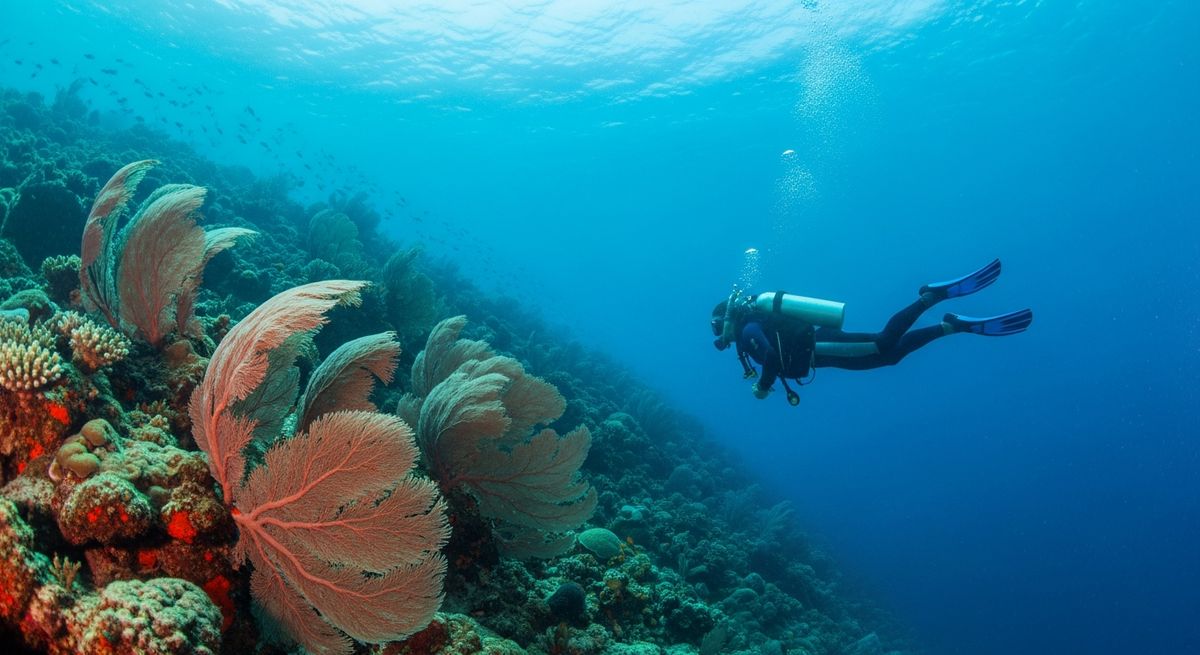
Gumi Cenik 1 isn't your flashy drift dive, but it's a solid pick for those who enjoy slowing down. Drop in and you'll find a gentle sandy slope, interspersed with patches of coral and sponge growth, particularly shallower. We usually find ourselves poking around the small irregularities on the bottom – that’s where the real action is. Look closely and you’re likely to spot a Banded Blenny peering out, or maybe a Northern Bicoloured Triplefin darting around. It’s a site where patience pays off; the nudibranchs are often out, and we’ve even come across small frogfish here. Maxing out at 18 meters, it’s a calm macro hunt, perfect for photographers or anyone keen to really observe the smaller stuff.
Safety Notes
Drift dive - carry a surface marker buoy (SMB) and stay with your group. Brief the current direction before entry.
Nearest Dive Centres to Gumi Cenik 1, Bali
Dive shops near Gumi Cenik 1, Bali
BONDALEM ECO DIVE
Mavi Diving Indonesia
Tulamben Dive Adventures
Sunrise Dive Bali
Alam Batu
Grand Permai Dive
Reviews for Gumi Cenik 1, Bali
Conditions
Ocean conditions, forecast and tides for Gumi Cenik 1, Bali
Gumi Cenik 1, Bali Ocean Conditions
Monthly averages for Gumi Cenik 1, Bali, sourced from Open-Meteo marine data + Copernicus Marine (EU) - nearest station: Open-Meteo marine grid (-8.35, 116.05) (0km away)
October Averages
Sea Temperature
30°C
85°F · Range: 28.3–30.9°C
Current Speed
29.15 cm/s
Direction: SW (239°)
Chlorophyll-a
0.223 mg/m³
Clear water
Salinity
33.97 PSU
Based on 4 years of monitoring data · Data sources: Open-Meteo marine data + Copernicus Marine (EU)
Plan & book
Ways to dive Lombok & Gili Islands, from day trips to liveaboards.
Day trips & courses
via GetYourGuideGuided dives, courses and snorkel trips with instant booking.
Find dive trips in Lombok & Gili IslandsPlaces to stay
via Booking.comHotels and dive resorts near Lombok & Gili Islands.
Search stays in Lombok & Gili IslandsDive insurance
Most travel insurance excludes or limits scuba. Check what you need before you go.
Dive insurance explainedPartner links: we may earn a commission if you book, at no extra cost to you. How we make money
Where to Stay near Gumi Cenik 1, Bali
Prices from Booking.com. We may earn a commission at no extra cost to you.