Manta Bay
Protected Area
KK Nusa Penida
Why dive here
With 246+ marine species recorded in the area - including blue-spotted stingrays, bull sharks, grey reef sharks, manta rays and mobula rays (devil rays) - Manta Bay offers some of Lombok & Gili Islands's richest drift diving. Water ranges 28-30°C, warmest April, May, November.
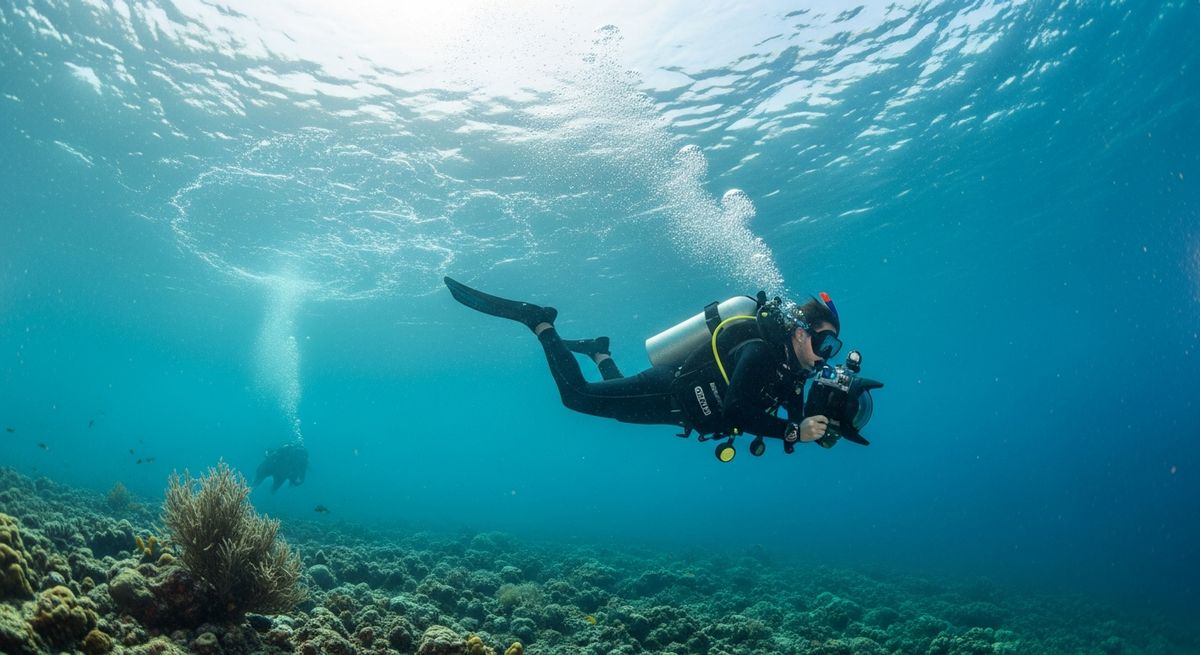
Manta Bay is exactly what it sounds like. We’ve had some truly epic manta encounters here, watching them glide through the nutrient-rich water, mouths agape, scooping up plankton. The site itself is a sloping reef that meets a shallow wall, topping out around 18 metres. It’s the kind of dive where you often feel the surge, especially closer to the cliff face, but that movement is what draws the mantas in. Our favourite way to dive Manta Bay is to find a spot with a bit of shelter from the main current and just wait. We've spent entire dives watching mantas circle and feed, sometimes coming within a few feet. Beyond the big draws, keep an eye out for whitetip reef sharks resting under ledges and plenty of reef fish like Gendarme fish darting amongst the staghorn corals. Visibility here averages around 14 metres, which is perfectly adequate for those close manta interactions. It’s an accessible site for most divers, just be prepared for some water movement.
Safety Notes
Drift dive - carry a surface marker buoy (SMB) and stay with your group. Brief the current direction before entry.
Nearest Dive Centres to Manta Bay
Dive shops near Manta Bay
Reeflex Divers
Ceningan Divers
Twin Island Dive
Siren Diving Lembongan
Scuba Center Asia
Tamarind Divers Lembongan
Reviews for Manta Bay
Conditions
Ocean conditions, forecast and tides for Manta Bay
Manta Bay Ocean Conditions
Monthly averages for Manta Bay, sourced from Open-Meteo marine data + Copernicus Marine (EU) - nearest station: Open-Meteo marine grid (-8.35, 116.05) (0km away)
October Averages
Sea Temperature
30°C
85°F · Range: 28.3–30.9°C
Current Speed
29.15 cm/s
Direction: SW (239°)
Chlorophyll-a
0.223 mg/m³
Clear water
Salinity
33.97 PSU
Based on 4 years of monitoring data · Data sources: Open-Meteo marine data + Copernicus Marine (EU)
Plan & book
Ways to dive Lombok & Gili Islands, from day trips to liveaboards.
Day trips & courses
via GetYourGuideGuided dives, courses and snorkel trips with instant booking.
Find dive trips in Lombok & Gili IslandsPlaces to stay
via Booking.comHotels and dive resorts near Lombok & Gili Islands.
Search stays in Lombok & Gili IslandsDive insurance
Most travel insurance excludes or limits scuba. Check what you need before you go.
Dive insurance explainedPartner links: we may earn a commission if you book, at no extra cost to you. How we make money
Where to Stay near Manta Bay
Prices from Booking.com. We may earn a commission at no extra cost to you.