Toyapakeh
Protected Area
KK Nusa Penida
Why dive here
With 246+ marine species recorded in the area - including blue-spotted stingrays, bull sharks, grey reef sharks, manta rays and mobula rays (devil rays) - Toyapakeh offers some of Lombok & Gili Islands's richest reef diving. Water ranges 28-30°C, warmest April, May, November.
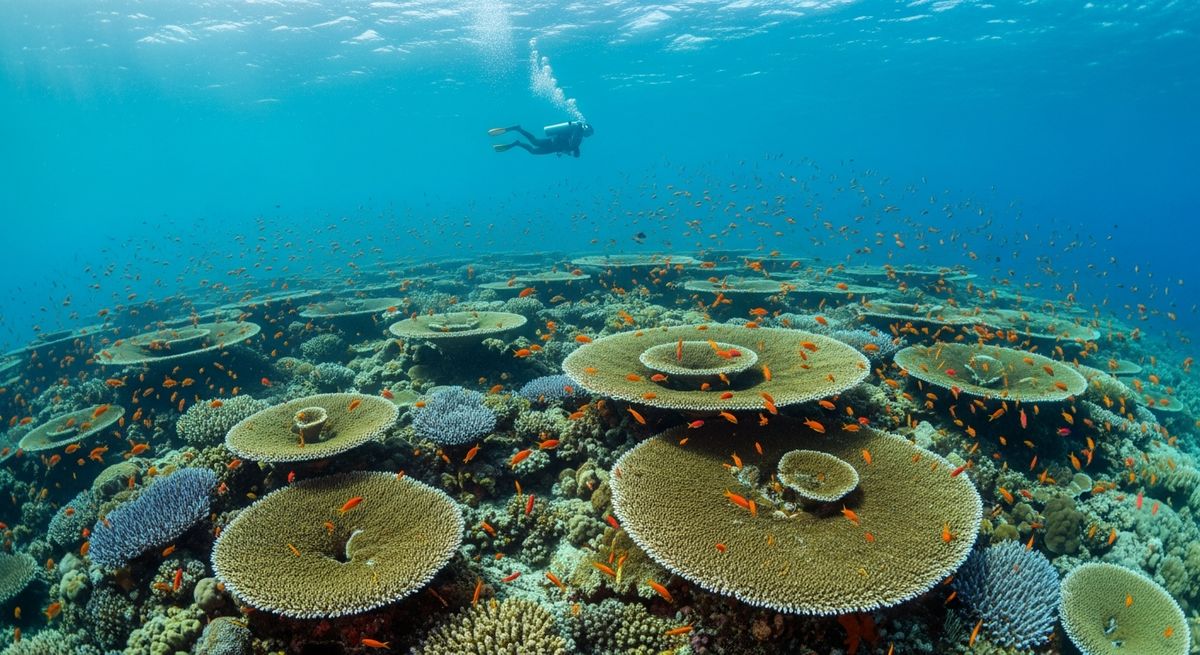
Toyapakeh is one of those sites we always come back to when we’re in the Nusa Islands. It’s an easy drift, often with a pushy current, so we'd suggest it for divers comfortable with a bit of movement. The coral starts shallow, right from the boat, and then slopes down to about 21 metres. What really grabs you here are the huge coral bommies, absolutely covered in colour. Think bright orange Astreopora and stacks of staghorn reaching for the light. We often spot whitetip reef sharks resting under ledges, and the anemones are busy with pink anemonefish. Keep an eye out for the fluted clams, their mantles a vibrant blue or green. The currents can be unpredictable, sometimes washing in schooling fusiliers, other times bringing pelagics like barracuda through the blue. It’s a site that rewards repeat visits; there's always something new to catch your eye in the reef's crevices or out in the open water.
Nearest Dive Centres to Toyapakeh
Dive shops near Toyapakeh
Penida Dive Resort
Warnakali
Scuba Junkie Penida
Time Divers Penida
Time Divers Penida
Temple Diving by Mar Adentro
Reviews for Toyapakeh
Conditions
Ocean conditions, forecast and tides for Toyapakeh
Toyapakeh Ocean Conditions
Monthly averages for Toyapakeh, sourced from Open-Meteo marine data + Copernicus Marine (EU) - nearest station: Open-Meteo marine grid (-8.35, 116.05) (0km away)
October Averages
Sea Temperature
30°C
85°F · Range: 28.3–30.9°C
Current Speed
29.15 cm/s
Direction: SW (239°)
Chlorophyll-a
0.223 mg/m³
Clear water
Salinity
33.97 PSU
Based on 4 years of monitoring data · Data sources: Open-Meteo marine data + Copernicus Marine (EU)
Plan & book
Ways to dive Lombok & Gili Islands, from day trips to liveaboards.
Day trips & courses
via GetYourGuideGuided dives, courses and snorkel trips with instant booking.
Find dive trips in Lombok & Gili IslandsPlaces to stay
via Booking.comHotels and dive resorts near Lombok & Gili Islands.
Search stays in Lombok & Gili IslandsDive insurance
Most travel insurance excludes or limits scuba. Check what you need before you go.
Dive insurance explainedPartner links: we may earn a commission if you book, at no extra cost to you. How we make money
Where to Stay near Toyapakeh
Prices from Booking.com. We may earn a commission at no extra cost to you.