Tulamben
Protected Area
KK Karangasem
Why dive here
With 246+ marine species recorded in the area - including blue-spotted stingrays, bull sharks, grey reef sharks, manta rays and mobula rays (devil rays) - Tulamben offers some of Lombok & Gili Islands's richest wreck diving. Water ranges 28-30°C, warmest April, May, November.
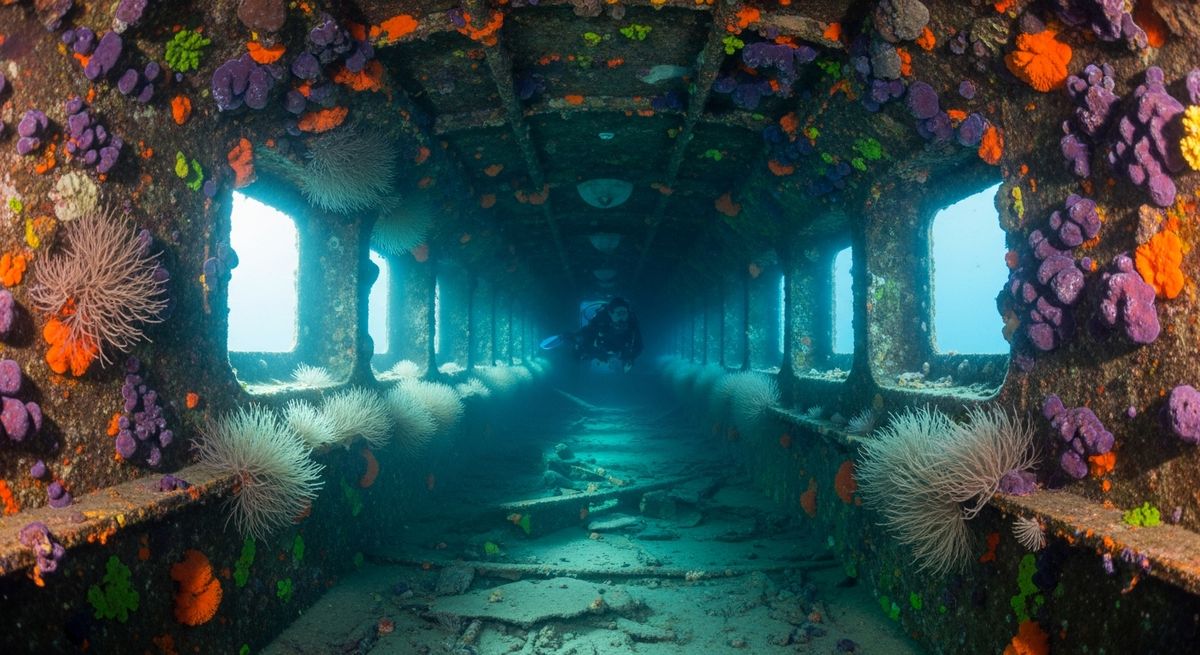
Tulamben’s USS Liberty wreck is a staple for a reason. Resting just a stone’s throw from the shore, the ship is draped in soft corals and sponges, painted in oranges and purples that really pop even on an overcast day. You’ll find schools of fusiliers weaving through the superstructure, and if you look closely, lionfish often shelter in the nooks. It’s a shallow, easy dive, maxing out around 12 meters, making it perfect for newer divers or those who just want a relaxed second dive. Head out early to catch the morning light filtering through the wreck and avoid the busiest crowds.
Typical Tulamben Dive Profile
Illustrative profile based on site depth and type. Actual dive profiles vary - always follow your dive computer and training.
Safety Notes
Wreck site - avoid penetration without wreck diving certification. Watch for sharp metal and entanglement hazards.
Nearest Dive Centres to Tulamben
Dive shops near Tulamben
Villa Alba Dive Resort
Liberty Dive Resort
Paradise Diving
Madha Dive Center
Scuba Tribe
Tour Dive Bali
Reviews for Tulamben
Conditions
Ocean conditions, forecast and tides for Tulamben
Tulamben Ocean Conditions
Monthly averages for Tulamben, sourced from Open-Meteo marine data + Copernicus Marine (EU) - nearest station: Open-Meteo marine grid (-8.35, 116.05) (0km away)
October Averages
Sea Temperature
30°C
85°F · Range: 28.3–30.9°C
Current Speed
29.15 cm/s
Direction: SW (239°)
Chlorophyll-a
0.223 mg/m³
Clear water
Salinity
33.97 PSU
Based on 4 years of monitoring data · Data sources: Open-Meteo marine data + Copernicus Marine (EU)
Plan & book
Ways to dive Lombok & Gili Islands, from day trips to liveaboards.
Day trips & courses
via GetYourGuideGuided dives, courses and snorkel trips with instant booking.
Find dive trips in Lombok & Gili IslandsPlaces to stay
via Booking.comHotels and dive resorts near Lombok & Gili Islands.
Search stays in Lombok & Gili IslandsDive insurance
Most travel insurance excludes or limits scuba. Check what you need before you go.
Dive insurance explainedPartner links: we may earn a commission if you book, at no extra cost to you. How we make money
Where to Stay near Tulamben
Prices from Booking.com. We may earn a commission at no extra cost to you.