Yenbuba Jetty
Protected Area
TAMAN WISATA PERAIRAN KEPULAUAN RAJA AMPAT
Why dive here
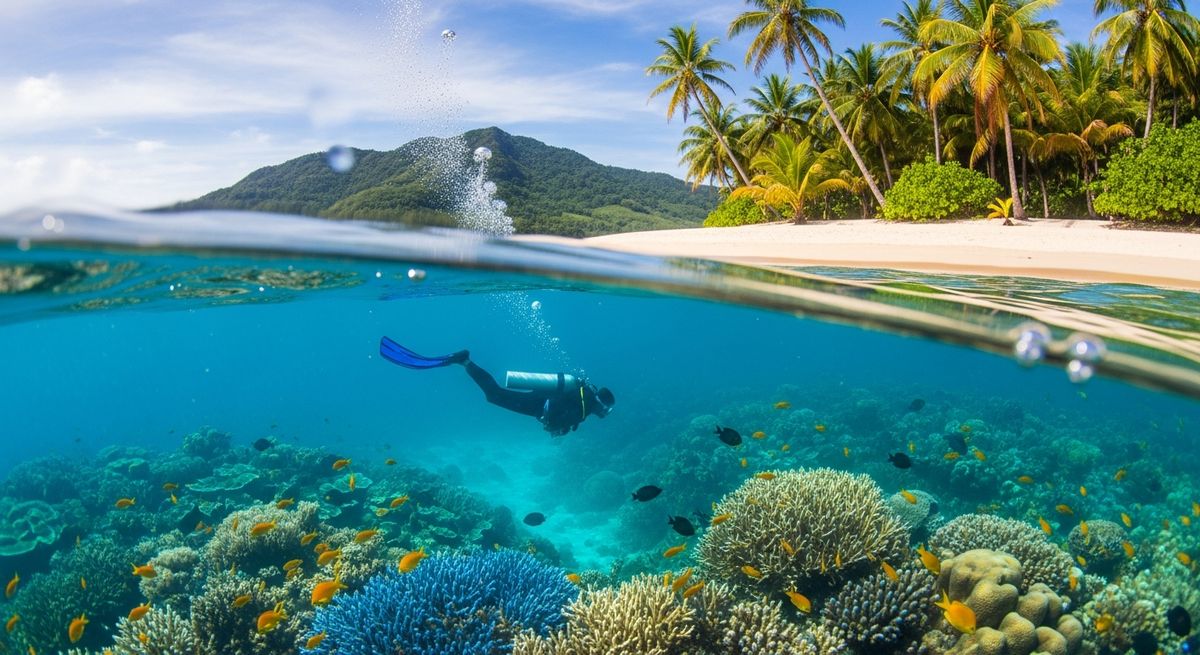
With 236+ marine species recorded in the area - including blacktip reef sharks, manta rays, mobula rays (devil rays), pygmy seahorses and sea turtles - Yenbuba Jetty offers some of Raja Ampat's richest reef diving. Water ranges 29-30°C, warmest May, November, December.
Yenbuba Jetty is a site we return to again and again. It might seem like just another pier, but what unfolds beneath the pilings is pure macro magic. The light filtering through the wooden supports creates these incredible shafts, illuminating soft corals and hydroids that cling to every surface. We love hanging out around the artificial reef structures, patiently scanning for Denise's pygmy seahorses, which we've found here more than once. Keep an eye out for the iridescent flash of sidespotted dragonets in the rubble too. It’s an easy dive, topping out at 20 metres, with generally mild currents, making it perfect for lingering and really dialling in your buoyancy for those close-up shots. We'd suggest going in the morning; the light is softer and brings out the colours beautifully. The resident schools of fusiliers are often so thick you can barely see through them, and the reef gobies are always a treat. Yenbuba Jetty is a superb spot for photographers or anyone who enjoys a slow, meditative dive, uncovering the smaller wonders of Raja Ampat.
Safety Notes
Strong currents typical this month (avg 35 cm/s). Good buoyancy control essential.
Nearest Dive Centres to Yenbuba Jetty
Dive shops near Yenbuba Jetty
Mangkur Kodong
Lumba Lumba
Delvin
Koranu Fyak Homestay
Wobegong Dive Center
Yenkoranu Homestay
Reviews for Yenbuba Jetty
Conditions
Ocean conditions, forecast and tides for Yenbuba Jetty
Yenbuba Jetty Ocean Conditions
Monthly averages for Yenbuba Jetty, sourced from Open-Meteo marine data + Copernicus Marine (EU) - nearest station: Open-Meteo marine grid (-0.5, 130.6) (0km away)
October Averages
Sea Temperature
30°C
86°F · Range: 29.2–30.9°C
Current Speed
34.71 cm/s
Direction: NW (311.5°)
Chlorophyll-a
0.138 mg/m³
Clear water
Salinity
34.33 PSU
Based on 4 years of monitoring data · Data sources: Open-Meteo marine data + Copernicus Marine (EU)
Plan & book
Ways to dive Raja Ampat, from day trips to liveaboards.
Day trips & courses
via GetYourGuideGuided dives, courses and snorkel trips with instant booking.
Find dive trips in Raja AmpatPlaces to stay
via Booking.comHotels and dive resorts near Raja Ampat.
Search stays in Raja AmpatDive insurance
Most travel insurance excludes or limits scuba. Check what you need before you go.
Dive insurance explainedPartner links: we may earn a commission if you book, at no extra cost to you. How we make money
Where to Stay near Yenbuba Jetty
Prices from Booking.com. We may earn a commission at no extra cost to you.