Yulliet Besar
Protected Area
Teluk Lelintah
Why dive here
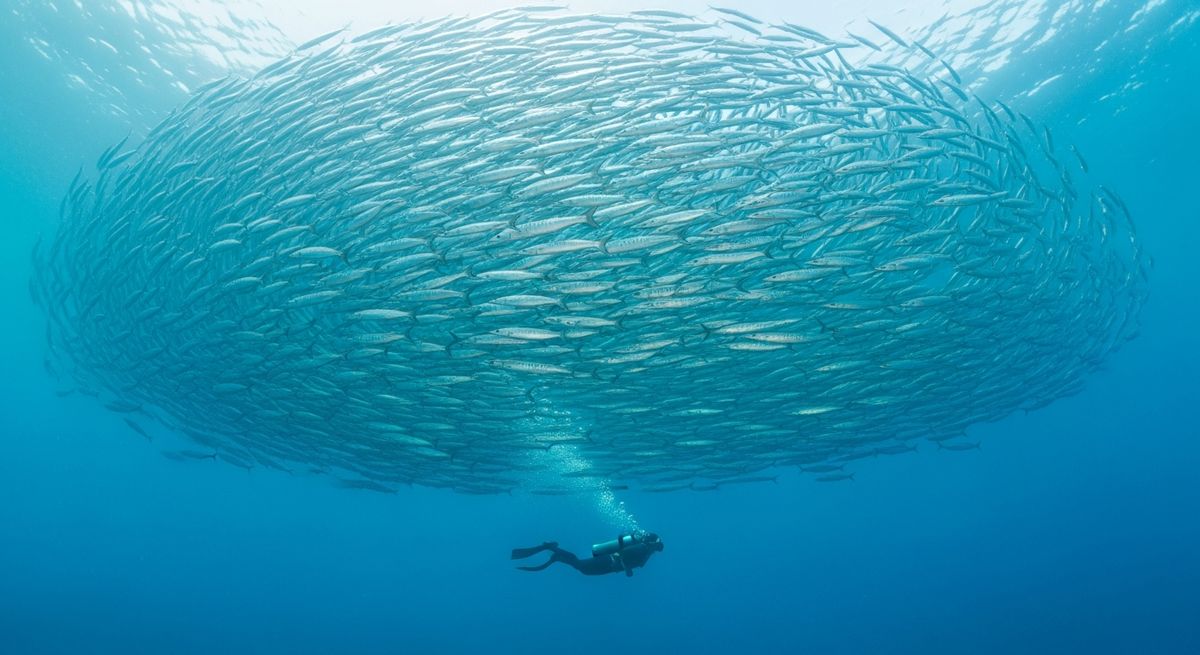
With 236+ marine species recorded in the area - including blacktip reef sharks, manta rays, mobula rays (devil rays), pygmy seahorses and sea turtles - Yulliet Besar offers some of Raja Ampat's richest diving. Water ranges 29-30°C, warmest May, November, December.
Yulliet Besar, just north of Pulau Yulliet, is a pretty consistent performer, especially for a night dive. You’ll find plateaus from 5-10 meters, then slopes and walls that dip to around 20 meters, though our computers often read closer to 21 meters max. Visibility averages 15 meters, which is decent enough to spot the hogfish and some of those tiny Marshall dottybacks. We’ve had good luck with pygmy gobies here, the forktail and Stobbs' varieties are often tucked into the staghorn coral. It’s a comfortable dive, nothing too taxing, and a nice spot for macro hunters looking for a relaxed pace.
Safety Notes
Strong currents typical this month (avg 35 cm/s). Good buoyancy control essential.
Nearest Dive Centres to Yulliet Besar
Dive shops near Yulliet Besar
View all dive centres in Raja AmpatReviews for Yulliet Besar
Conditions
Ocean conditions, forecast and tides for Yulliet Besar
Yulliet Besar Ocean Conditions
Monthly averages for Yulliet Besar, sourced from Open-Meteo marine data + Copernicus Marine (EU) - nearest station: Open-Meteo marine grid (-0.5, 130.6) (0km away)
October Averages
Sea Temperature
30°C
86°F · Range: 29.2–30.9°C
Current Speed
34.71 cm/s
Direction: NW (311.5°)
Chlorophyll-a
0.138 mg/m³
Clear water
Salinity
34.33 PSU
Based on 4 years of monitoring data · Data sources: Open-Meteo marine data + Copernicus Marine (EU)
Plan & book
Ways to dive Raja Ampat, from day trips to liveaboards.
Day trips & courses
via GetYourGuideGuided dives, courses and snorkel trips with instant booking.
Find dive trips in Raja AmpatPlaces to stay
via Booking.comHotels and dive resorts near Raja Ampat.
Search stays in Raja AmpatDive insurance
Most travel insurance excludes or limits scuba. Check what you need before you go.
Dive insurance explainedPartner links: we may earn a commission if you book, at no extra cost to you. How we make money
Where to Stay near Yulliet Besar
Prices from Booking.com. We may earn a commission at no extra cost to you.