Yulliet Kecil
Protected Area
Teluk Lelintah
Why dive here
With 236+ marine species recorded in the area - including blacktip reef sharks, manta rays, mobula rays (devil rays), pygmy seahorses and sea turtles - Yulliet Kecil offers some of Raja Ampat's richest diving. Water ranges 29-30°C, warmest May, November, December.
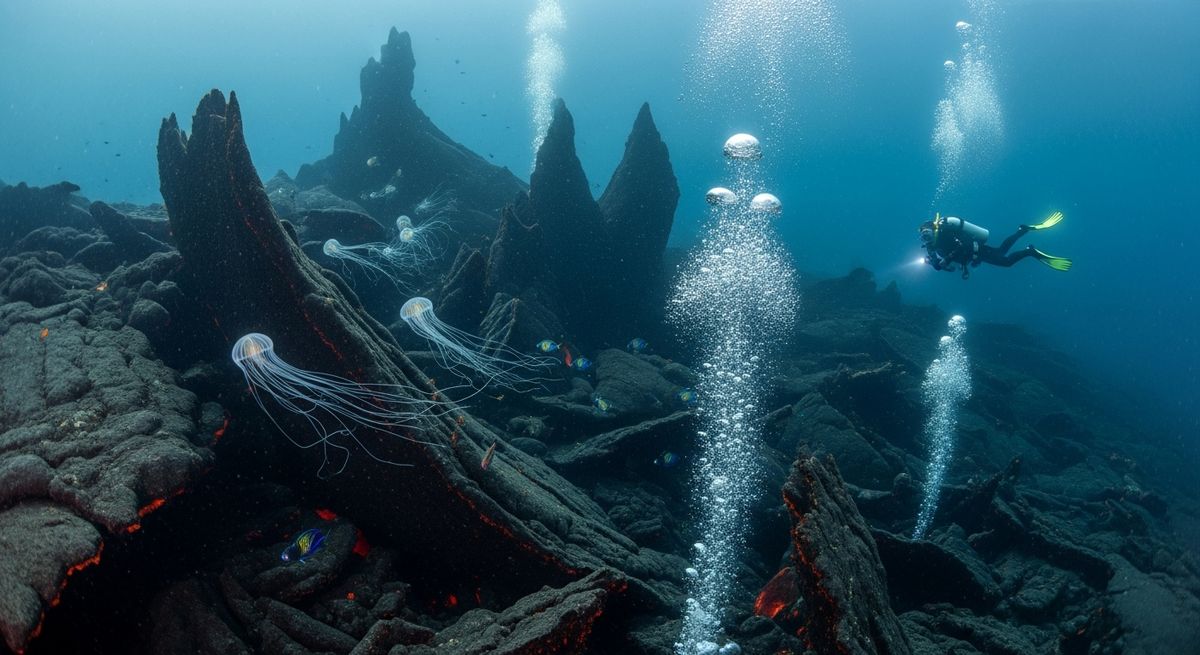
Yulliet Kecil often gets overshadowed by its larger neighbours, but we’ve always found it a solid Raja Ampat dive, especially for those who appreciate the smaller stuff. It’s an islet east of Yulliet Pulau, with corals starting shallow, around 5m, then sloping down to a max depth of 23m. Visibility averages 19m, decent enough to spot some cool residents. We’ve had good luck here finding the tiny Queensland eviota and the skittish Marshall dottyback tucked into the staghorn corals. Keep an eye out for the yellow-red pygmygoby too, usually perched on a coral head. It's a nice easy dive, mostly drift, and suits divers who enjoy a relaxed pace and aren’t solely focused on big pelagics.
Safety Notes
Strong currents typical this month (avg 35 cm/s). Good buoyancy control essential.
Nearest Dive Centres to Yulliet Kecil
Dive shops near Yulliet Kecil
View all dive centres in Raja AmpatReviews for Yulliet Kecil
Conditions
Ocean conditions, forecast and tides for Yulliet Kecil
Yulliet Kecil Ocean Conditions
Monthly averages for Yulliet Kecil, sourced from Open-Meteo marine data + Copernicus Marine (EU) - nearest station: Open-Meteo marine grid (-0.5, 130.6) (0km away)
October Averages
Sea Temperature
30°C
86°F · Range: 29.2–30.9°C
Current Speed
34.71 cm/s
Direction: NW (311.5°)
Chlorophyll-a
0.138 mg/m³
Clear water
Salinity
34.33 PSU
Based on 4 years of monitoring data · Data sources: Open-Meteo marine data + Copernicus Marine (EU)
Plan & book
Ways to dive Raja Ampat, from day trips to liveaboards.
Day trips & courses
via GetYourGuideGuided dives, courses and snorkel trips with instant booking.
Find dive trips in Raja AmpatPlaces to stay
via Booking.comHotels and dive resorts near Raja Ampat.
Search stays in Raja AmpatDive insurance
Most travel insurance excludes or limits scuba. Check what you need before you go.
Dive insurance explainedPartner links: we may earn a commission if you book, at no extra cost to you. How we make money
Where to Stay near Yulliet Kecil
Prices from Booking.com. We may earn a commission at no extra cost to you.