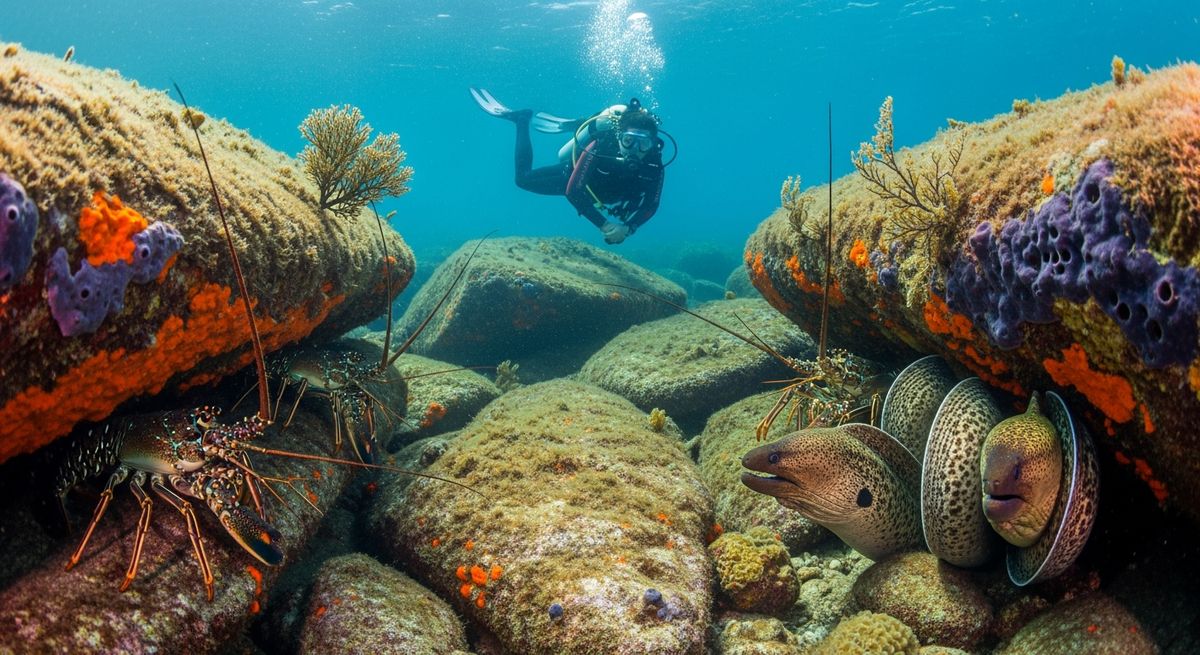
Mimaropa - Apo Reef

Mimaropa, within the expansive Apo Reef system, feels gloriously isolated. We’ve drifted this channel many times, usually finding a moderate current that’s perfect for a lazy pass. Look for the massive table corals clinging to the walls, punctuated by barrel sponges big enough to hide a diver. We often spot grey reef sharks patrolling the deeper sections and barracuda schools hanging motionless in the blue. It’s a site that rewards patience and a good drift, suited for divers comfortable in open water.

Location
Apo Reef, Philippines, Southeast Asia
Coordinates
11.990000, 120.200000

Best Time to Dive in Apo Reef

The warmest water temperatures in Apo Reef occur in June, averaging 30.3°C. The coolest conditions are in February at 27.8°C.

Monthly Water Temperatures

  • January: 28.1°C
  • February: 27.8°C
  • March: 28.2°C
  • April: 29.1°C
  • May: 30.1°C
  • June: 30.3°C
  • July: 29.9°C
  • August: 29.6°C
  • September: 29.7°C
  • October: 29.8°C
  • November: 29.5°C
  • December: 29.2°C

Nearby Dive Sites in Apo Reef

Nearest Dive Centres to Mimaropa

Marine Life in Apo Reef

Home to 181 recorded species including 171 reef fish, 5 seagrass & algae, 2 other, 1 whales & dolphins, 1 hard corals, 1 clams & mussels.

Notable Species

Recommended Packing List for Mimaropa

Based on average water temperature of 29.3°C, currents 8 cm/s.

  • Shorty or Rashguard - warm 29°C water needs minimal exposure protection
  • Mask - essential for every dive
  • Fins
  • BCD - buoyancy compensator
  • Regulator - your most safety-critical piece of gear
  • Dive Computer - tracks depth, time, and NDL
  • Surface Marker Buoy (SMB) - essential for boat pickups
  • Dive Torch - useful for crevices and colour at depth
  • Underwater Camera - capture your diving memories

Frequently Asked Questions

What are the typical diving depths and types of dive sites found across Mimaropa, including areas like Tubbataha, Coron, and Puerto Galera?
For the Mimaropa region, specifically the Apo Reef system, dive sites are primarily of the 'reef' type. While specific depths are unknown for this particular site, divers can expect to encounter sheer walls. The overall difficulty for diving here is rated as intermediate. Our data does not include typical depths or types for Tubbataha, Coron, or Puerto Galera.
What kind of unique marine life and underwater visibility can divers expect when exploring Mimaropa's diverse dive sites?
Divers exploring the Mimaropa region, particularly the Apo Reef Natural Park, can anticipate encountering a considerable biomass of marine life. This protected area is also home to an impressive diversity of over 285 coral species. Information regarding typical underwater visibility for this specific site is not available.
How challenging are the dive sites in Mimaropa, and are there suitable options for both beginner and advanced divers?
Diving in the Mimaropa region, specifically the Apo Reef system, is generally considered to be of intermediate difficulty. While the site description mentions sheer walls, it doesn't explicitly detail options for beginners or advanced divers. Divers with intermediate experience will find these sites suitable.
What is the best time of year to go diving in Mimaropa for optimal weather, calm seas, and the best underwater conditions?
Information regarding the best time of year for optimal weather, calm seas, or specific underwater conditions in the Mimaropa region is not available in our current data. For general guidance on dive seasons in the Philippines, please refer to our When to Dive section.
What scuba diving certifications are generally required or recommended for diving in Mimaropa, especially for specific sites like the Coron wrecks or Tubbataha Reef?
Our current data for the Mimaropa region, specifically the Apo Reef system, does not specify required or recommended scuba diving certifications. Given its intermediate difficulty and features like sheer walls, an Advanced Open Water certification or equivalent is often beneficial for such sites. We do not have information on certifications for Coron wrecks or Tubbataha Reef within this context.
What are the typical water temperatures, currents, and other general underwater conditions divers might encounter in Mimaropa's various regions?
Specific details regarding typical water temperatures, currents, or other general underwater conditions for the Mimaropa region, including the Apo Reef system, are not available in the provided data. Divers should always consult local dive operators for the most up-to-date conditions before planning their dives in the Philippines.