Cai Jun 3
Why dive here
With 263+ marine species recorded in the area - including blue-spotted stingrays, dugongs, giant moray eels, seahorses and sea turtles - Cai Jun 3 offers some of Southern Islands's richest wreck diving. Water ranges 28-31°C, warmest May, June, November.
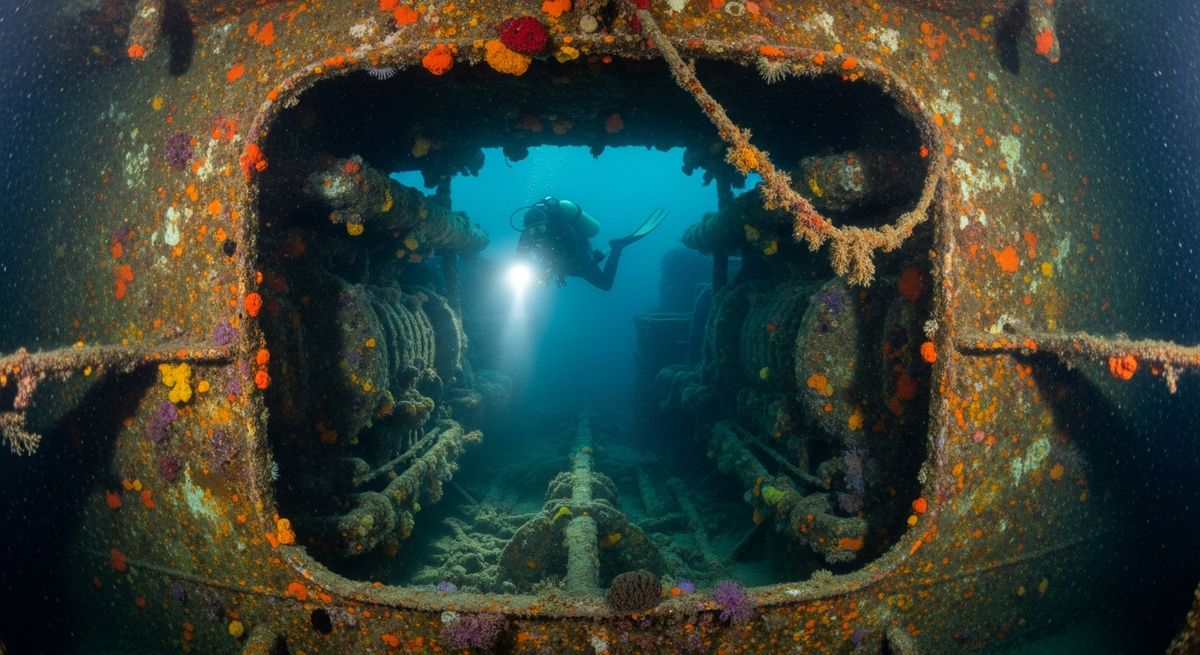
Cai Jun 3 is a standout for wreck lovers, plain and simple. We love its character, largely because this isn't some pristine, intact vessel. It’s a dangerous wreck, yes, but that’s its charm. The debris field is expansive, scattered over 30 metres of seabed, and we find new bits every time. Visibility here can be a bit of a lottery, sometimes you get 5 metres, other days it stretches to 10 or 12. Go on a neap tide, you’ll thank us. We always look for the bow section, usually the most intact part, where schools of fusiliers often swirl. Keep an eye out for batfish too, they’re usually curious. This site really suits divers who appreciate a bit of mystery and enjoy sifting through history. It’s not a site for spotting megafauna, but the smaller critters, gobies and nudibranchs, are often tucked into crevices, making for some excellent macro photography if you have the patience. It’s a rewarding dive, even with the sometimes-murky conditions, especially when you consider you're diving a piece of Singapore’s maritime past.
Typical Cai Jun 3 Dive Profile
Illustrative profile based on site depth and type. Actual dive profiles vary - always follow your dive computer and training.
Safety Notes
Depth of 30m - Advanced Open Water certification recommended.
Wreck site - avoid penetration without wreck diving certification. Watch for sharp metal and entanglement hazards.
Always perform a 3-minute safety stop at 5m before surfacing.
Cai Jun 3 Wreck History
Year Sunk
2017
Vessel Type
barge
Cause
unknown
Very little is known about the final moments of the Cai Jun 3, which sank in 2017 and now lies in the challenging waters of Singapore's Southern Islands. Classified by authorities as a "dangerous wreck," it rests at a depth of 30 meters, placing it in the realm of advanced divers. The name suggests it was a Chinese-registered vessel, possibly a barge or small cargo ship common in these busy shipping lanes, but its history remains a mystery.
Diving the Cai Jun 3 is an adventure reserved for the experienced. Singapore's typical low visibility and potentially strong currents demand skill and careful planning. The "dangerous" classification warns of potential hazards like sharp, twisted metal and entanglement risks from cables or rigging. For those prepared for the challenge, the wreck offers a relatively new and intact structure to explore, a ghostly silhouette emerging from the green haze that is slowly being claimed by the sea.
Reviews for Cai Jun 3
Conditions
Ocean conditions, forecast and tides for Cai Jun 3
Cai Jun 3 Ocean Conditions
Monthly averages for Cai Jun 3, sourced from Open-Meteo marine data - nearest station: Open-Meteo marine grid (1.18, 103.96) (8km away)
October Averages
Sea Temperature
30°C
86°F · Range: 29.5–31.1°C
Air Temperature
27°C
81°F
Wind Speed
4.07 m/s
7.9 knots
Atmospheric Pressure
1009.8 hPa
Based on 4 years of monitoring data · Data sources: Open-Meteo marine data
Plan & book
Ways to dive Southern Islands, from day trips to liveaboards.
Day trips & courses
via GetYourGuideGuided dives, courses and snorkel trips with instant booking.
Find dive trips in Southern IslandsPlaces to stay
via Booking.comHotels and dive resorts near Southern Islands.
Search stays in Southern IslandsDive insurance
Most travel insurance excludes or limits scuba. Check what you need before you go.
Dive insurance explainedPartner links: we may earn a commission if you book, at no extra cost to you. How we make money
Where to Stay near Cai Jun 3
Prices from Booking.com. We may earn a commission at no extra cost to you.